Amadeusz Świerk

Photographer's portfolio

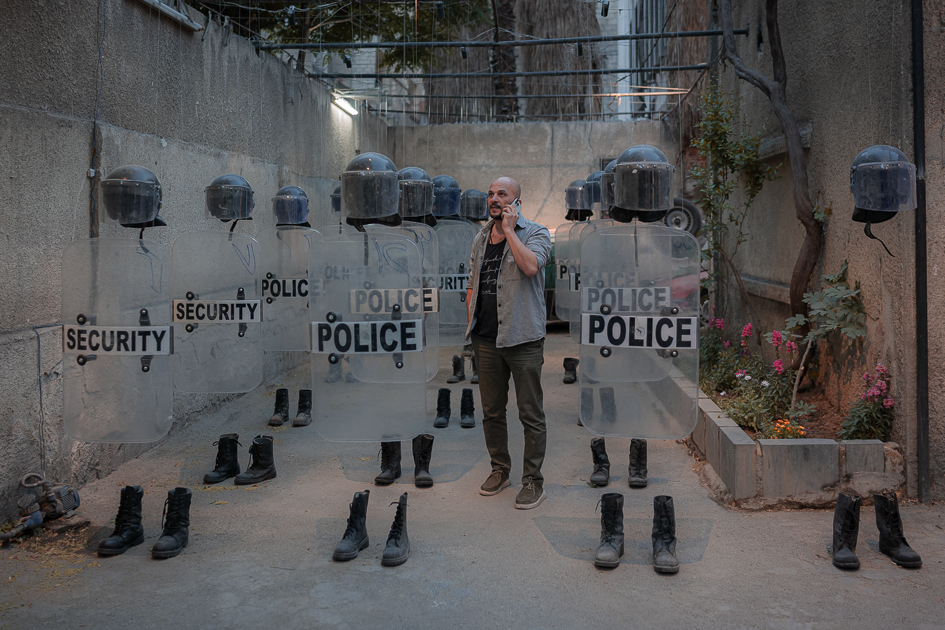
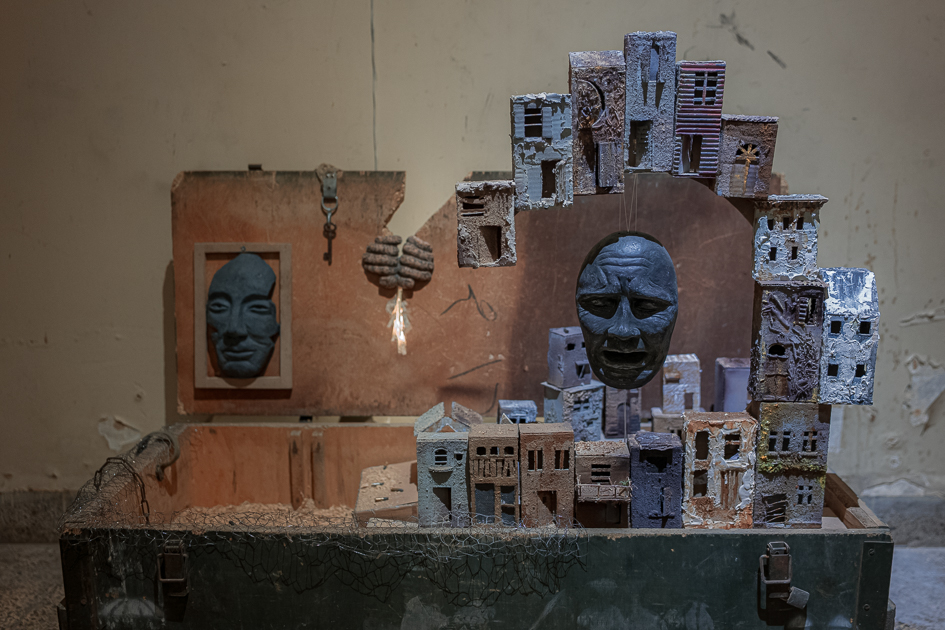
  • Khalid arranges the final details of the upcoming opening and procession. He is a Druze from the Israeli-occupied Golan Heights. He returned to Syria immediately after the fall of the dictatorship with a substantial artistic achievements; his work has been shown in major galleries around the world.

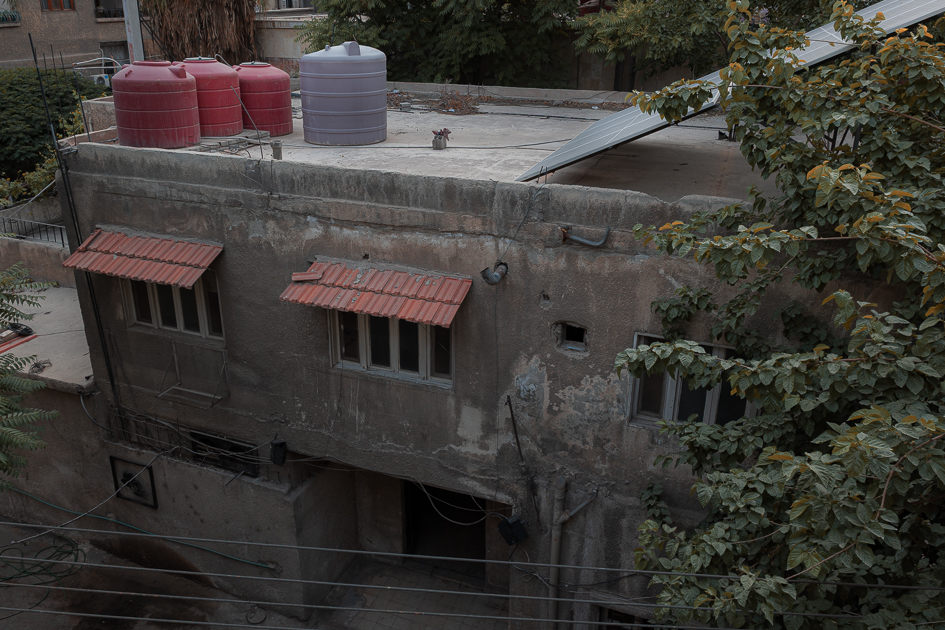
  • The former police station building. The place was specified for addicts and those connected to drugs. The inmates were not only dealers, but also people who had been caught at least once using drugs, regardless of the substance. If you ended up in a cell as a result of a false denunciation, you had to give officers five names of other suspects in order to go free.

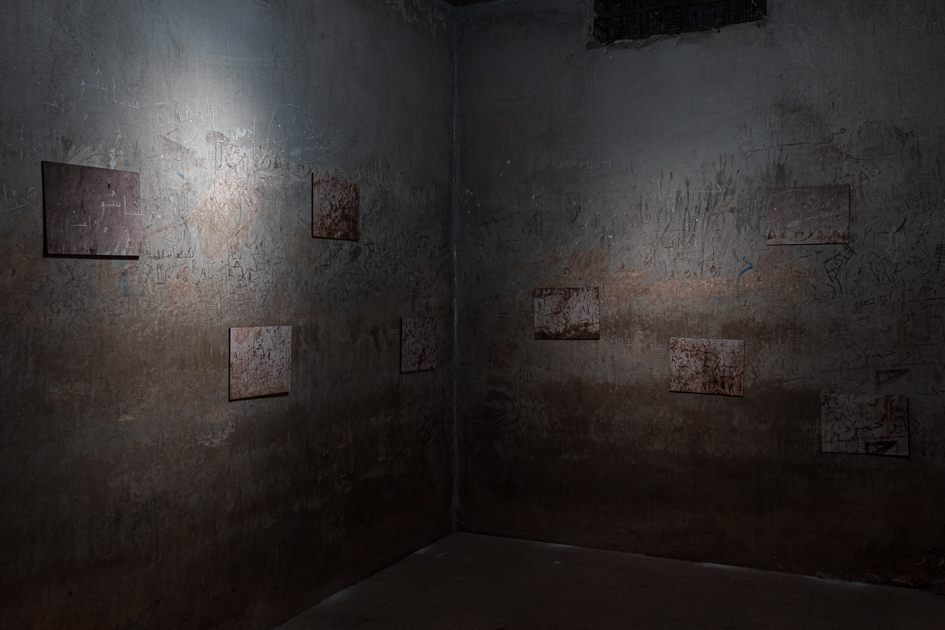
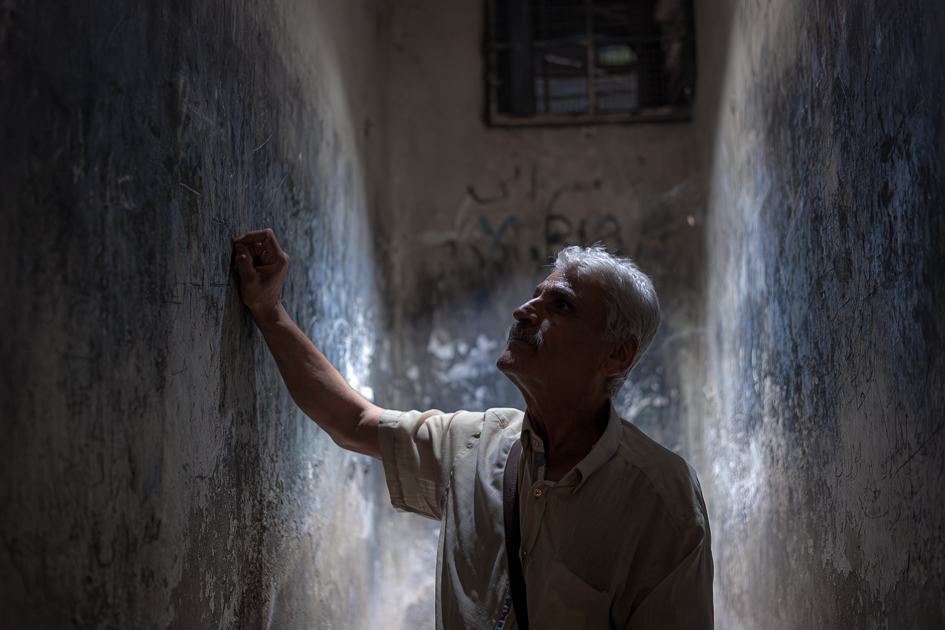
  • The former group cell. The walls still show drawings made by the prisoners, their signatures and dashes counting down the days to the end of their stay. Photographed, printed and fixed next to them on the walls, they have become an essential part of the exhibition.

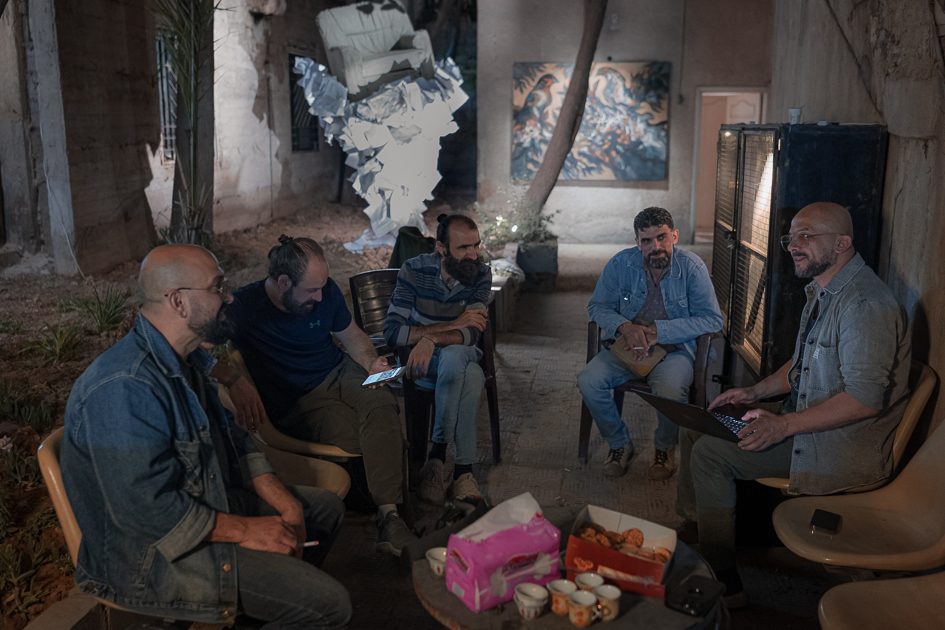
  • The artists discuss the press releases about the event and publish the invitation online.

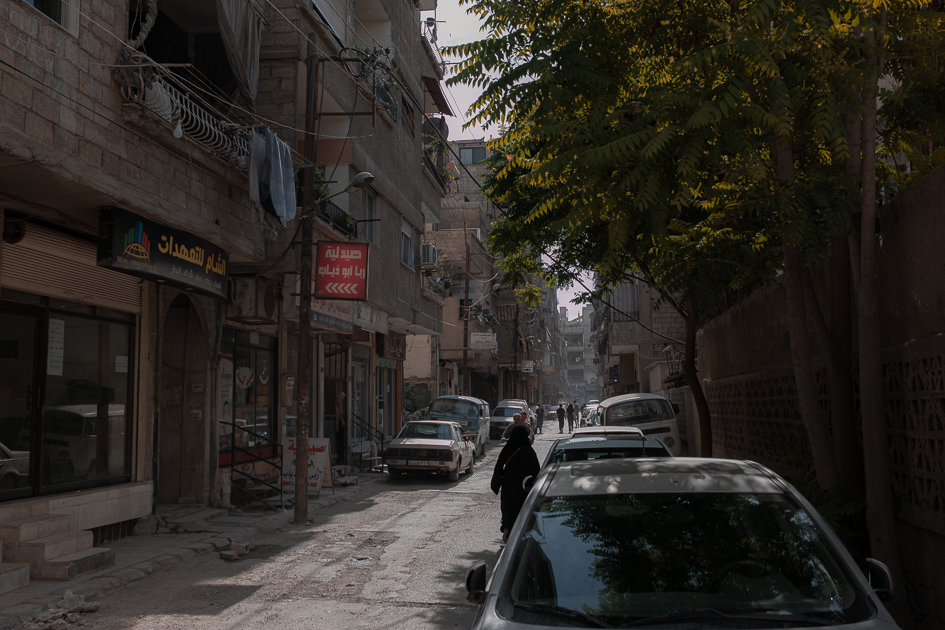
  • The streets of Jaramana, a neighbourhood in the south of Damascus, previously inhabited mainly by Druze and Christians. During the Iraq war and later also the Syrian civil war, it received an influx of Sunni refugees. This changed the ethno-religious composition of the district, but in people's minds it still remained a predominantly Druze neighbourhood.

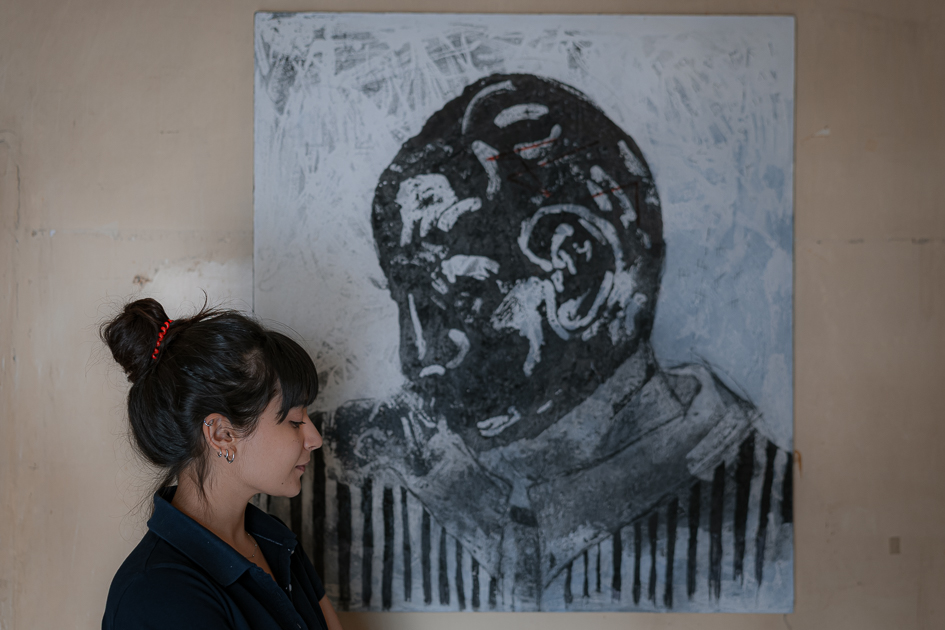
  • Rahaw Reda, the artist participating in the exhibition, was born in Jaramana. Since childhood, she had heard the sounds of tortured prisoners coming from the police station, which usually started after midnight. She had apprehensions about entering the building for the first time after the collective took over the venue because of these memories.

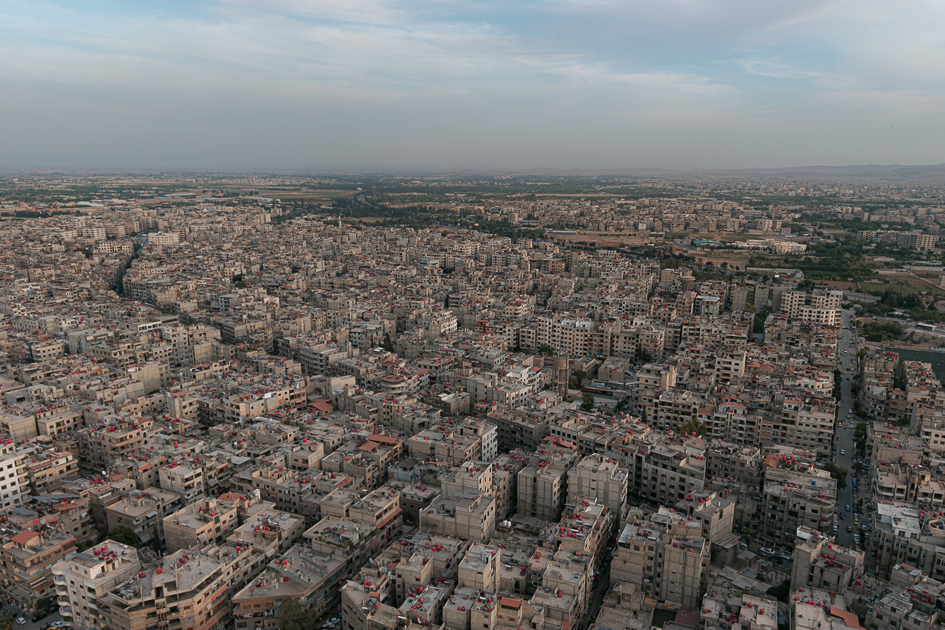
  • Panorama of Jaramana.

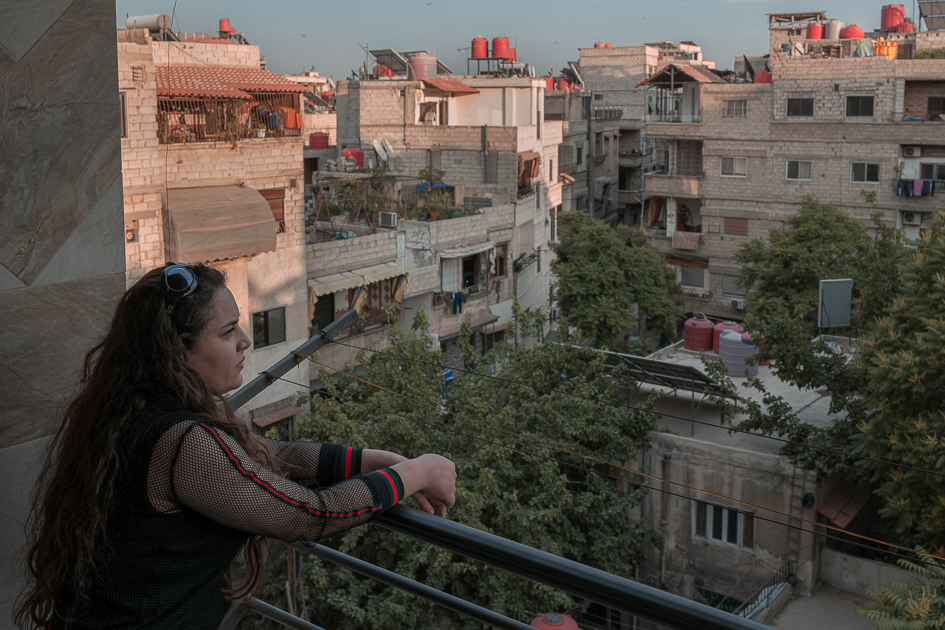
  • Majdouline al-Ali artist who has lived in Jaramana since 2012. She had never planned to leave Syria before, only recent events in the neighbourhood made her consider it. She recently received an exchange invitation to Amman, where she is afraid to go because of the route.

  • Mahmud Issa. A lawyer imprisoned by the Assad regime for a total of 14 years, he is a declared communist. Although the exhibition did not officially open, news of it reached him through an informal route. The art and the atmosphere of the place moved him greatly.

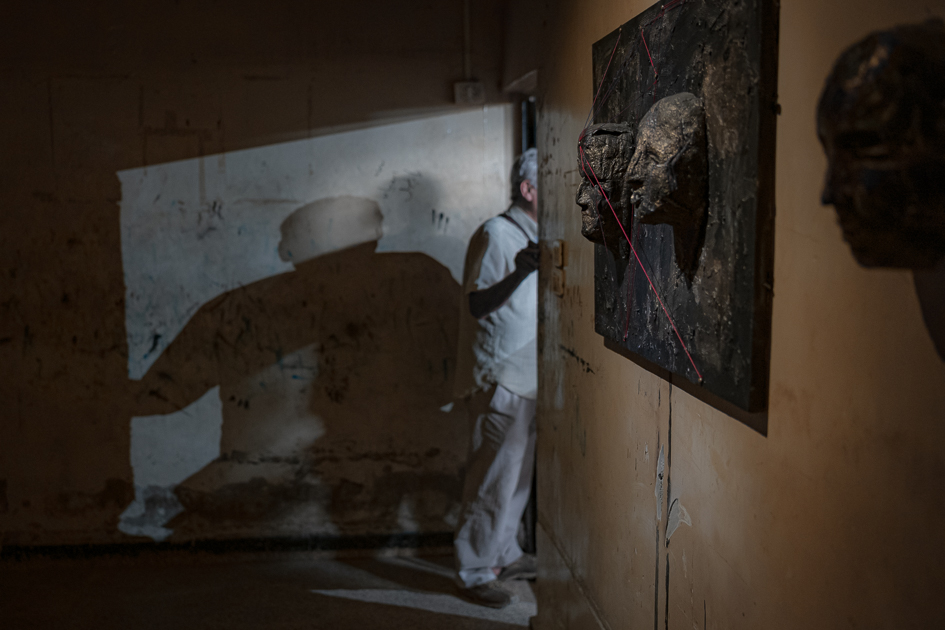
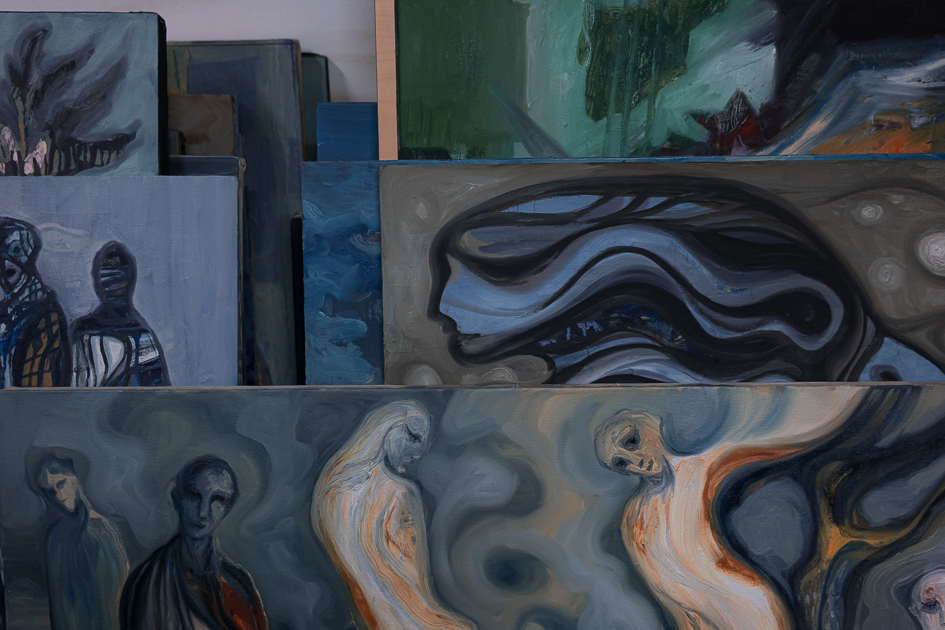
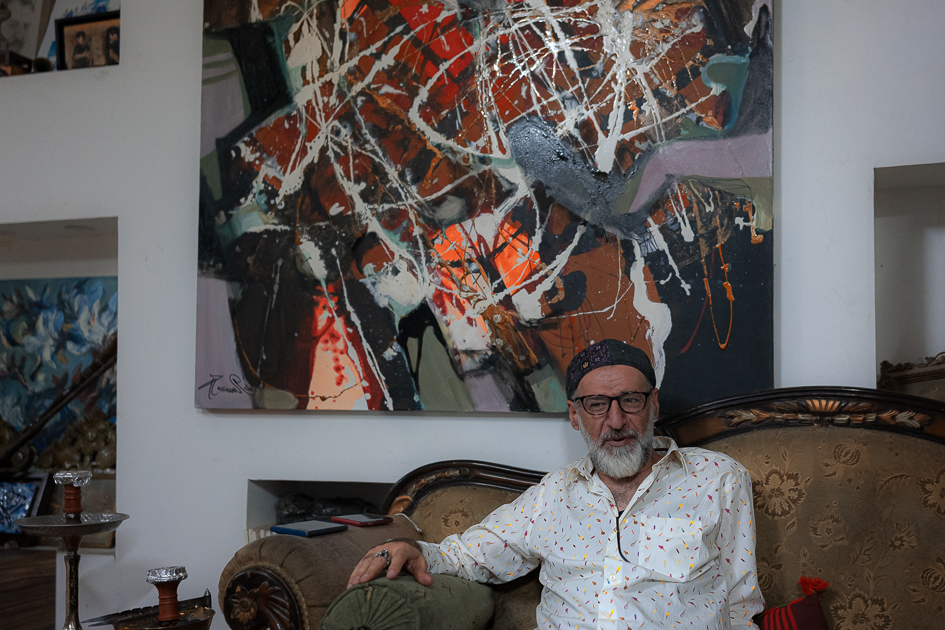
  • Basam al-Hagaly, a Druze painter from Suwayda. He graduated from college in Syria before leaving to pursue a career in Dubai. He returned to Syria six years ago. He is an internationally acclaimed Syrian artist. Although he mainly creates abstract and surreal art, which is rare in Syria, he is also a sculptor and architect.

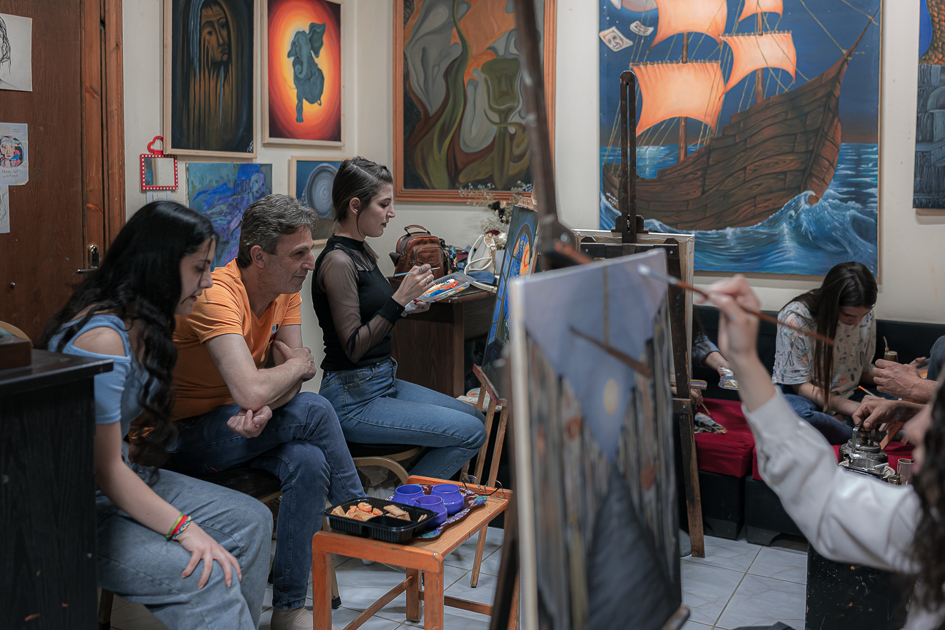
  • Salam's local drawing school, which has been established for 10 years. It is currently attended by 14 girls and 1 boy. They specialise in surrealist art. The students spend up to three hours a day here and admit that the place and the process of creating allows them to forget their problems for a while.

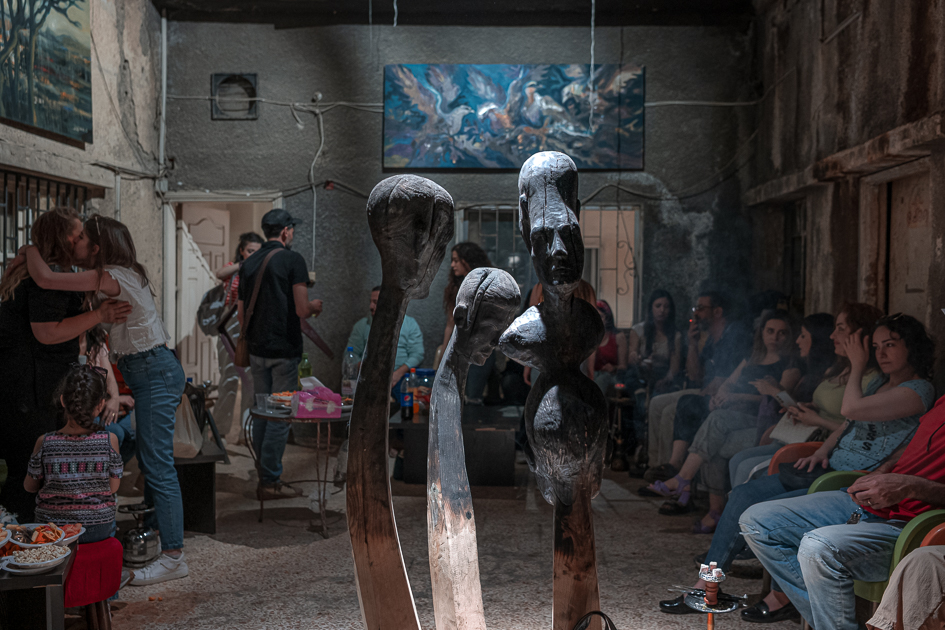
  • Khalid's farewell party. The day after the scheduled opening, the artists held a surprise party at the former police station as a token of gratitude for his work and the creation of the collective. A day later, Khalid flew out to open his exhibition in Iceland.

1/

The Art of Little Syria

Druze’s precarious position in the new reality

Khalid Barake, an influential Druze contemporary artist, returned to Syria after fourteen years of exile to fill the cultural void following the fall of the Assad regime. In the heart of the Damascus district of Jaramana, in a building that was once a symbol of repression, Khalid has created a space of freedom. The former police station, for years the site of the regime’s detentions and brutal interrogations, became home to an interdisciplinary exhibition exploring addiction and the fate of people convicted of drugs, created by a collective set up by Khalid. The artists transformed the site into a centre for dialogue about addiction, justice and Syria’s past. Among the bustling streets of Jaramana, dubbed ‘Little Syria’ by its religious and ethnic diversity, local artists are creating a new narrative. The opening of the exhibition was meant to be a manifesto of unity, a demonstration that art and culture are beyond divisions, but the political crisis has revised these aspirations.

In the beginning of May, a wave of armed riots swept through Jaramana, costing a total of a dozen people their lives. The sectarian clashes took place in several Druze-populated villages in the south of the country, echoing tensions between the more radical Sunnis and Druze that erupted after a fake video was released on the internet in which a Druze spiritual leader insults the Prophet Muhammad. A planned march to open the exhibition was cancelled by local authorities, fearing that the atmosphere was still too tense. Although life on the streets of Jaramana already seems to be returning to normal, after these events the Druze community lives in fear and uncertainty about its future.

The group, which has been favoured by the Assad regime for decades, now wonders whether their liberal community and culture will survive the political changes. With the change of power in Damascus, many Druze fear that their autonomy will not be respected by the new Sunni government led by President Ahmed Ash-Shara, who, while professing openness and tolerance for every religious group, still does not fully control the radical movements of all the militias that make up his group. Uncertainty about the future makes art more than just a form of manifestation – it becomes a struggle to preserve identity and freedom of expression in a country where secular Druze art can be labelled ‘haram’ – against Islam.

© 2024 Amadeusz Świerk