Drought in Daraa
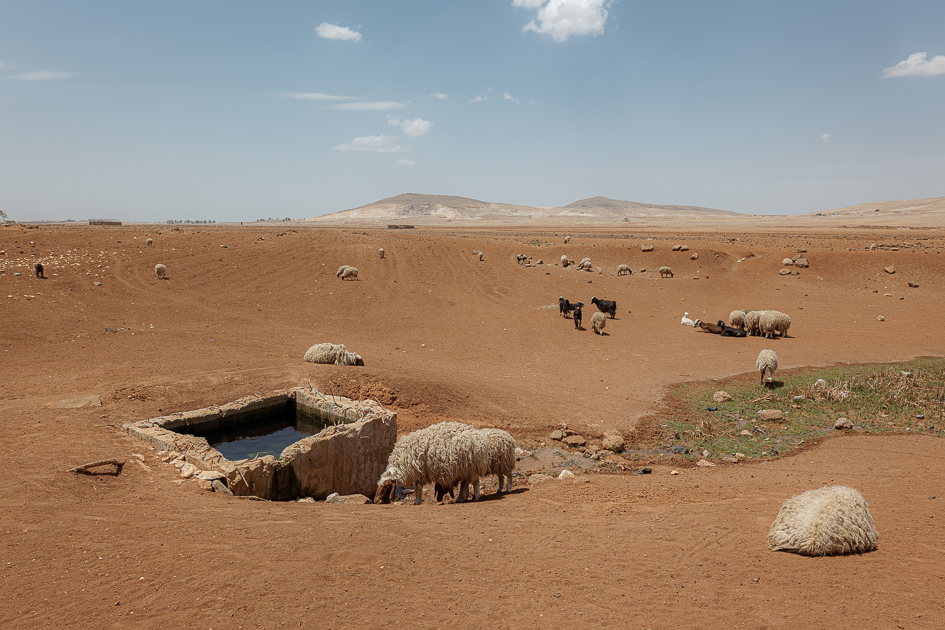
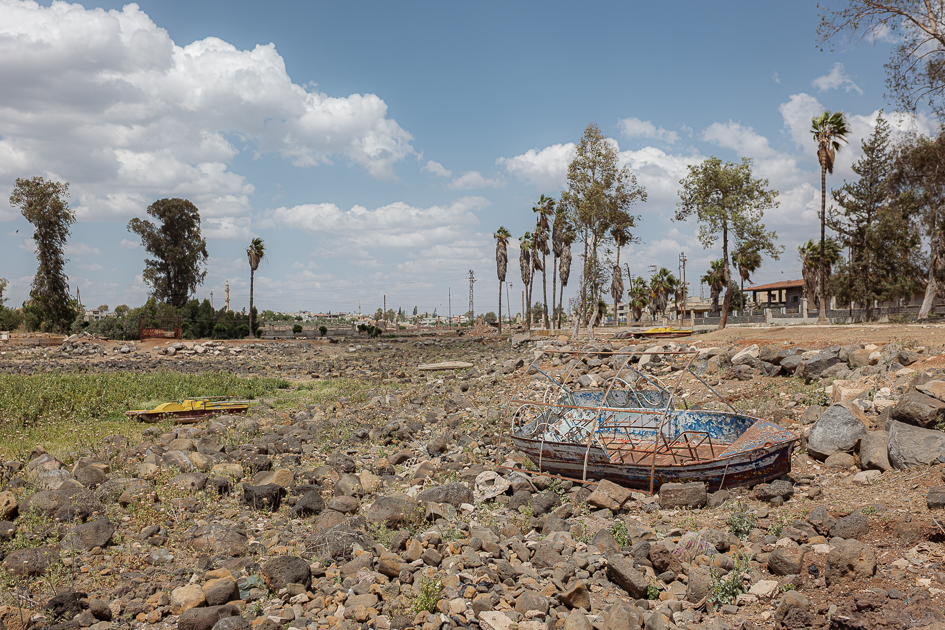
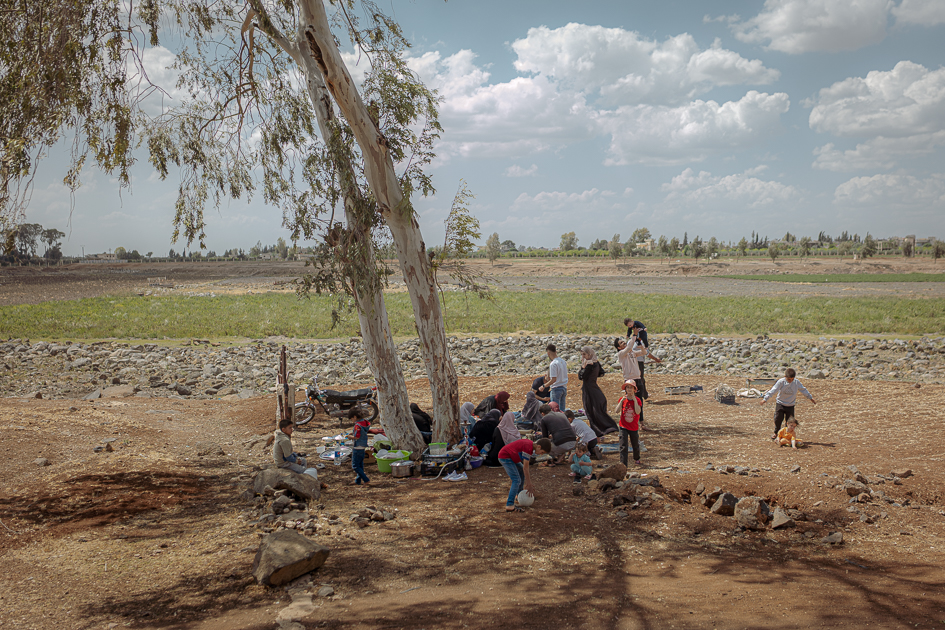
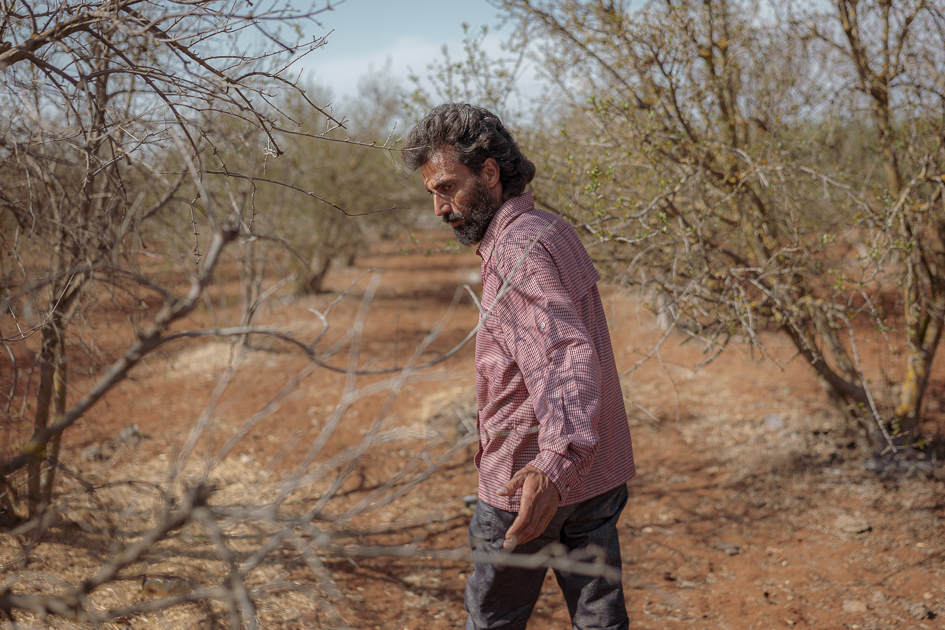
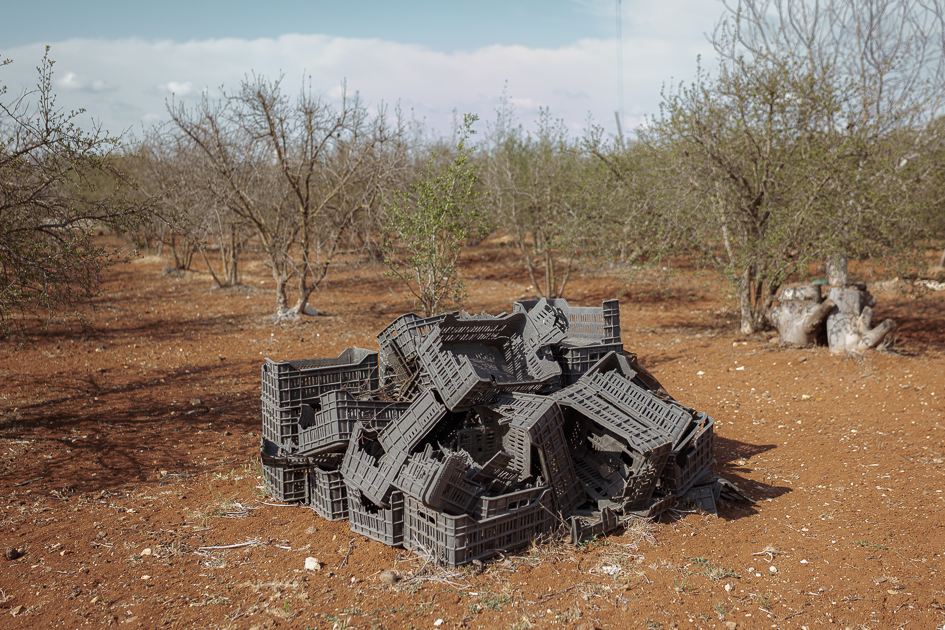
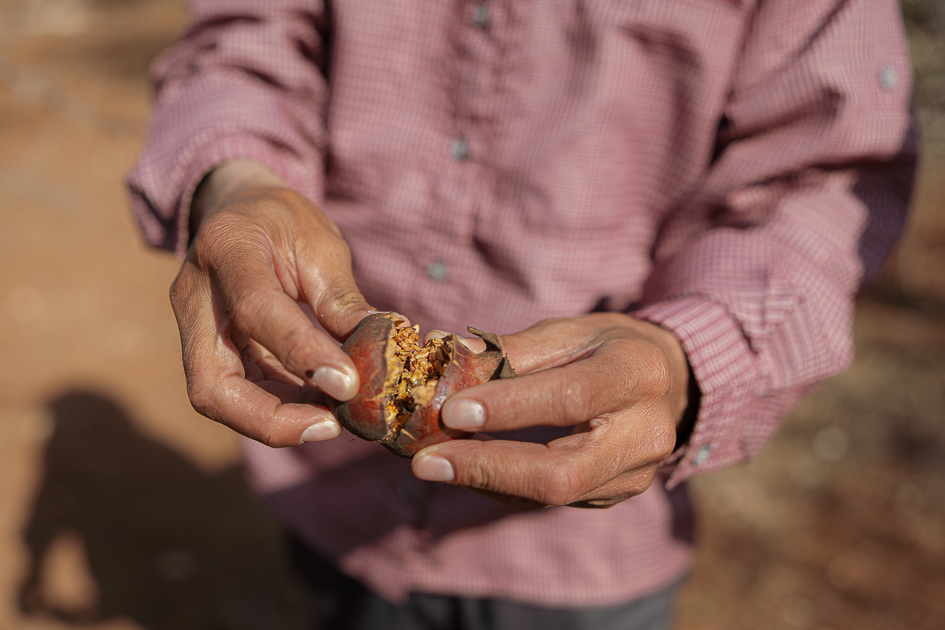
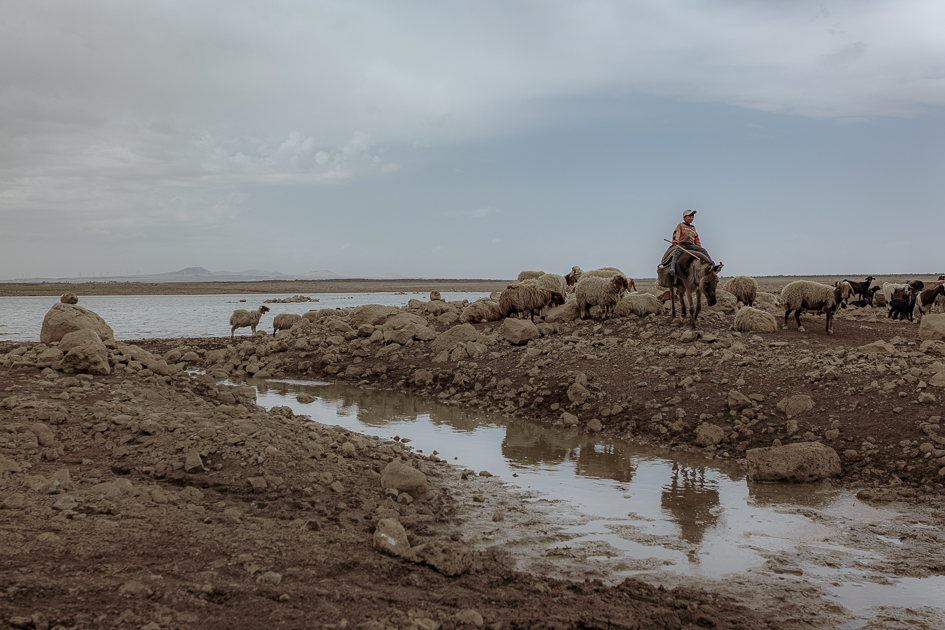
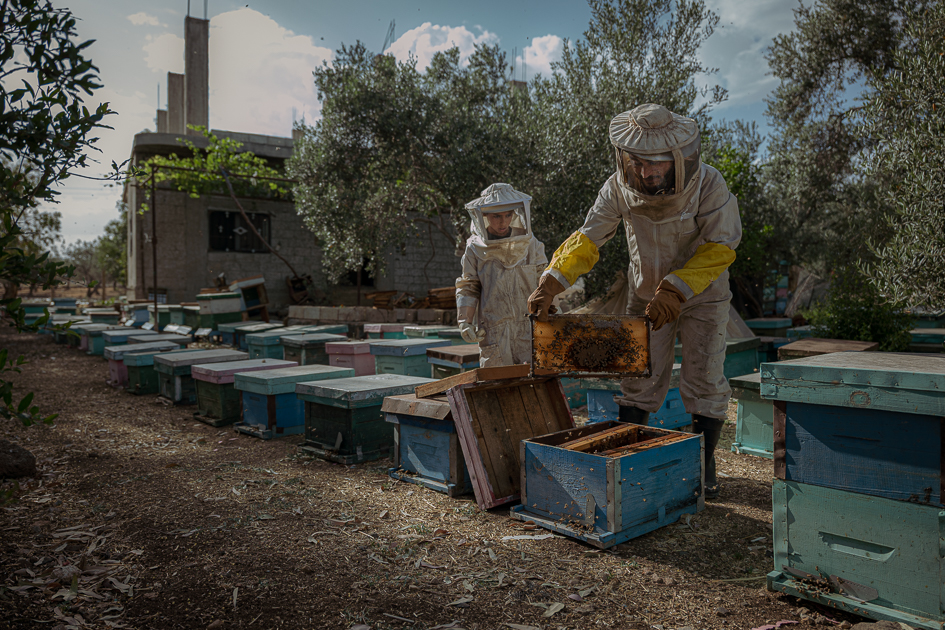
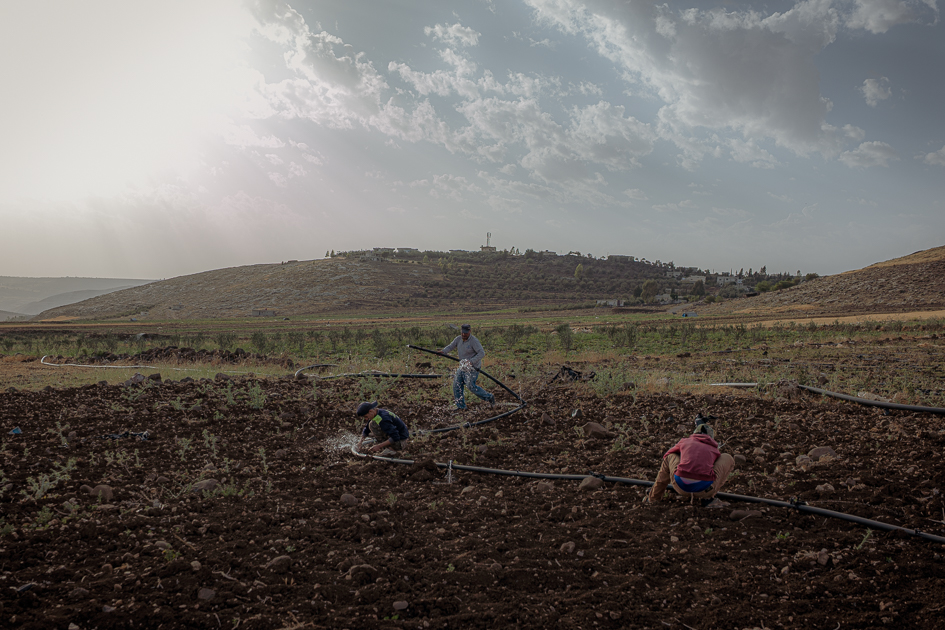
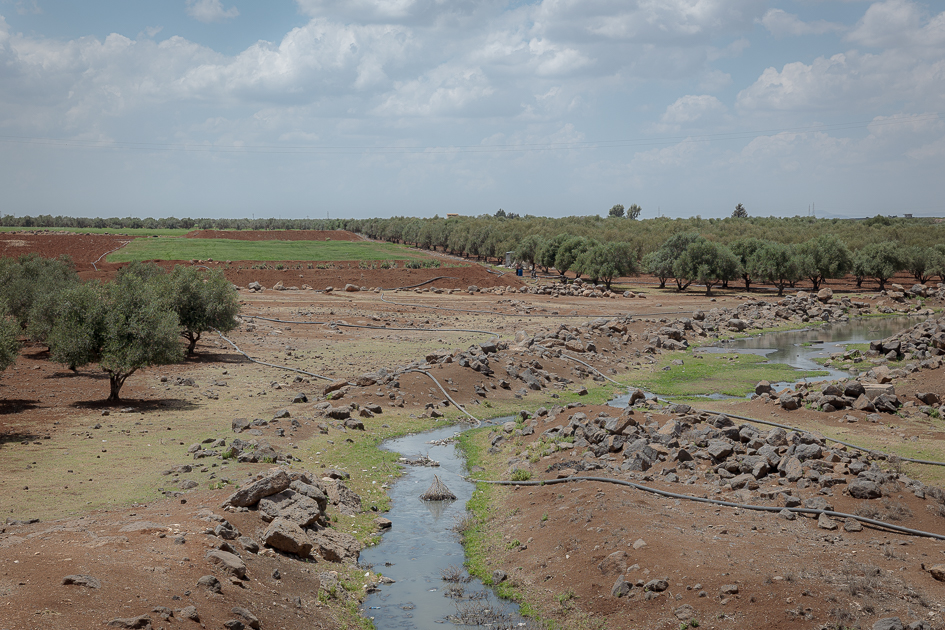
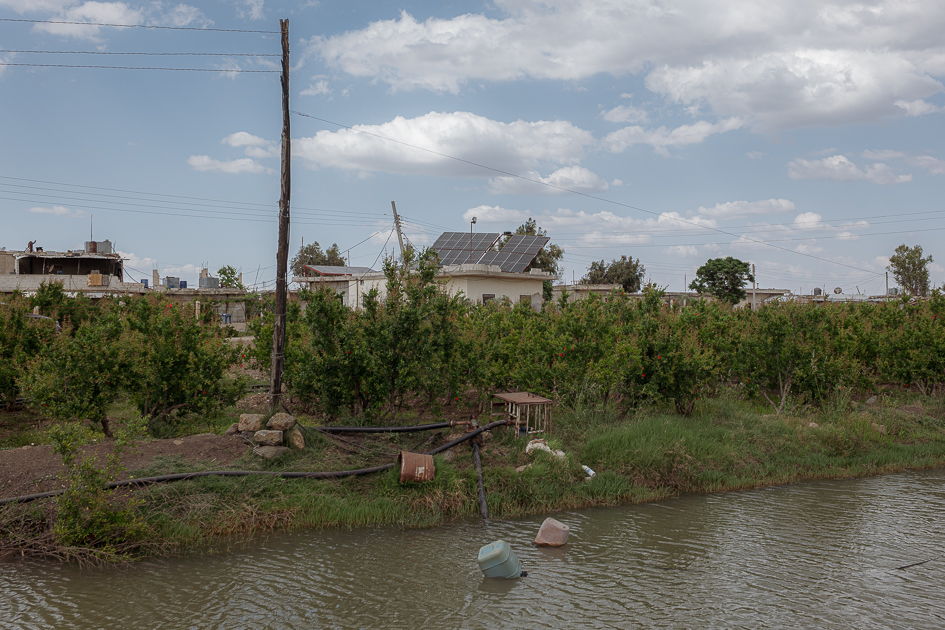
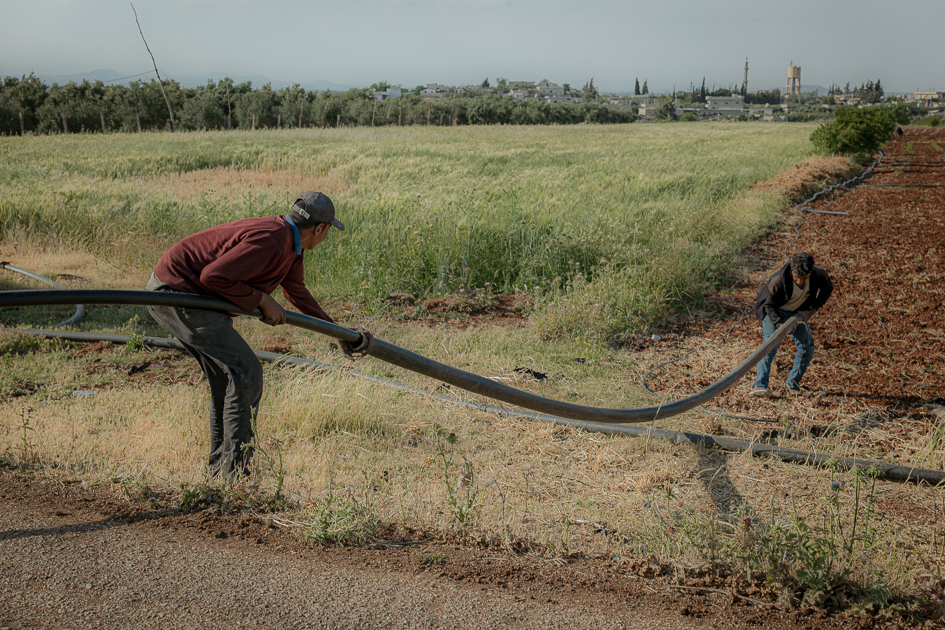
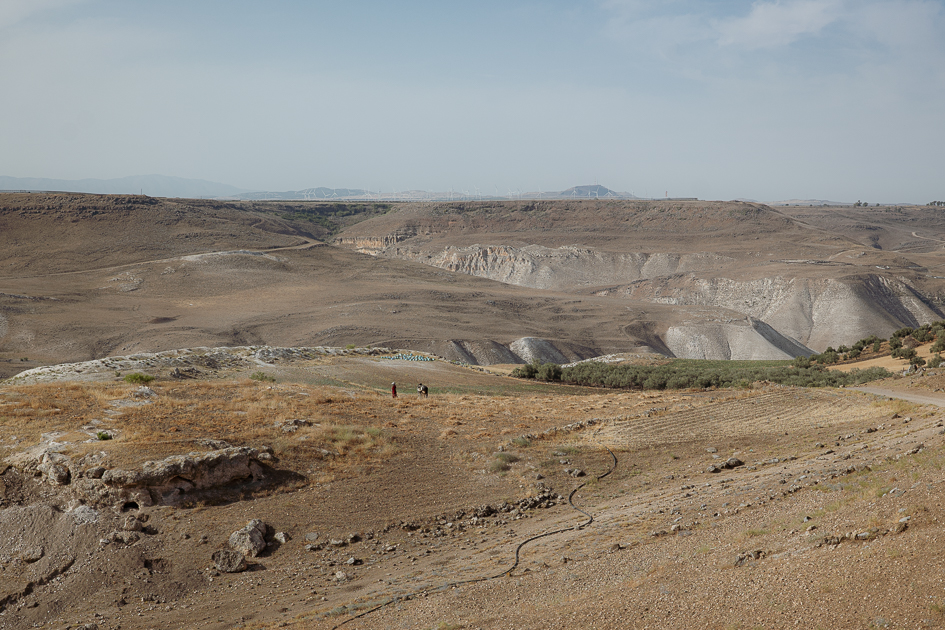
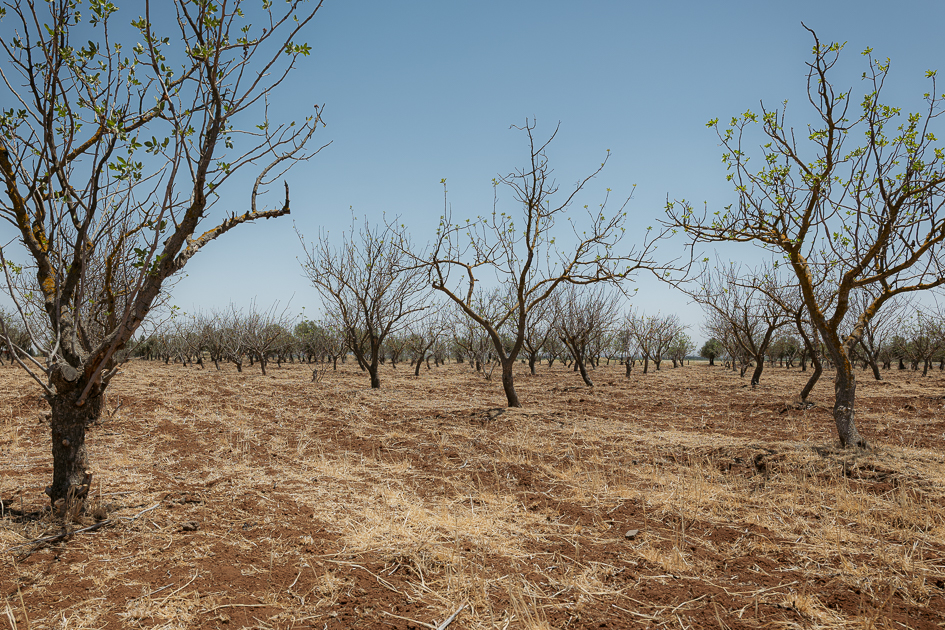
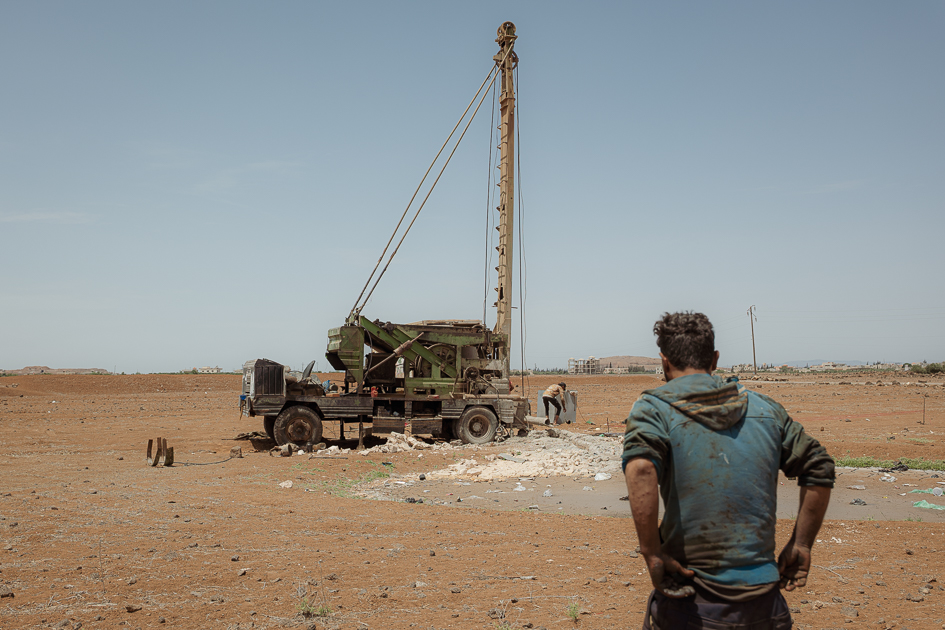
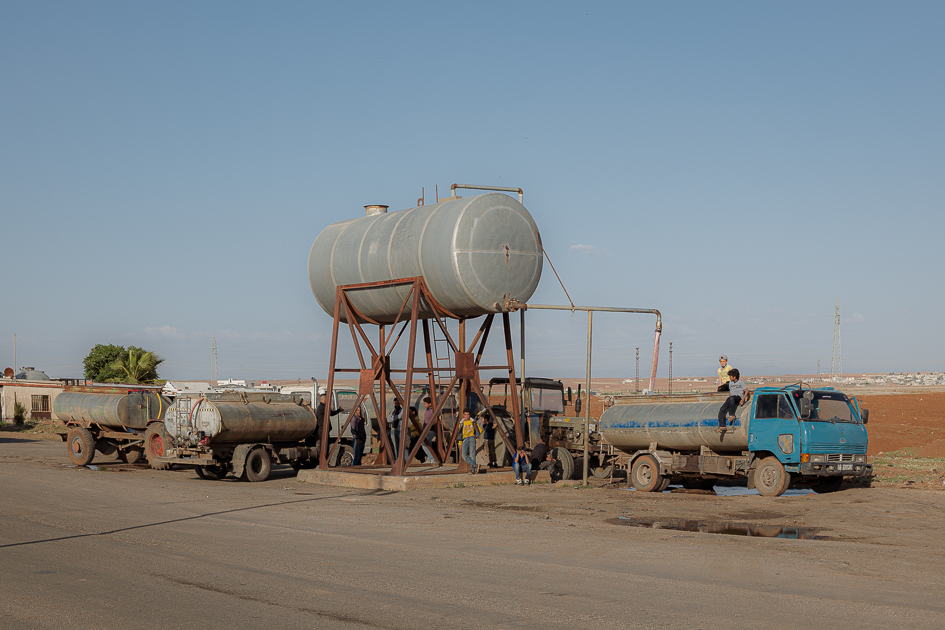
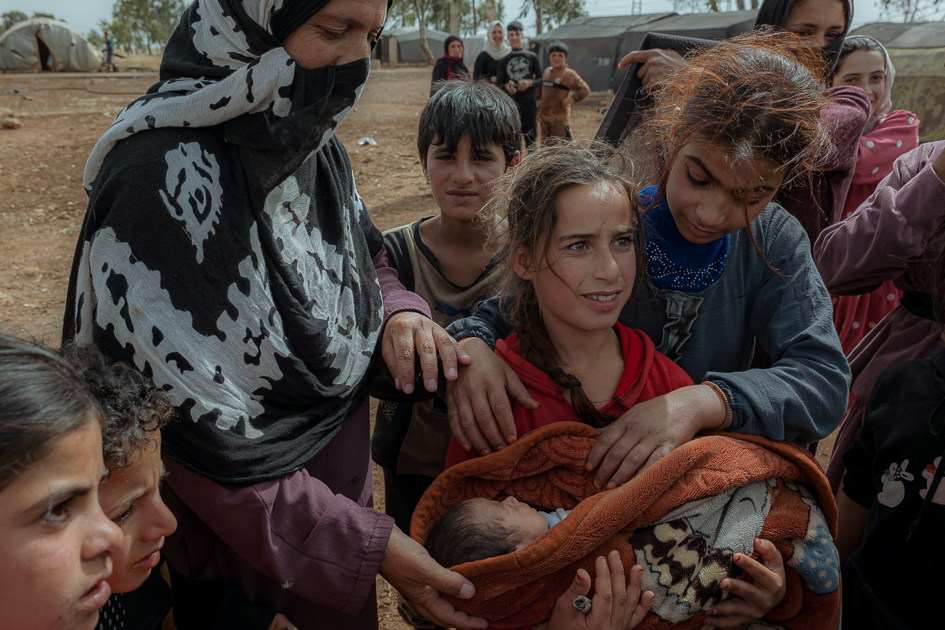
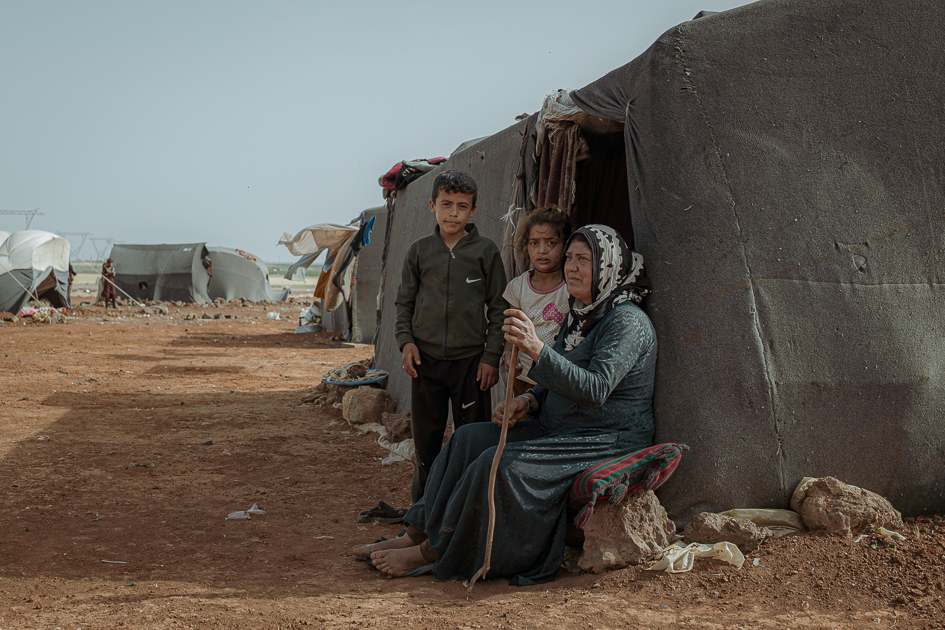
The Daraa region, once one of Syria’s most fertile areas, is facing its worst drought in decades. In 2025, rainfall dropped to its lowest level in over a quarter of a century, adding to a catastrophic convergence of crises. Years of Syrian civil war destroyed once developed water infrastructure, forcing farmers into mass drilling of increasingly deeper wells. Over time, this caused groundwater depletion and in some areas, its complete disappearance. Compounding this, Israel’s incursion in December 2024, following the Assad regime’s fall, gave Israel potential control over part of the remaining water basins. Southern Syria’s breadbasket is collapsing, and the process appears irreversible.
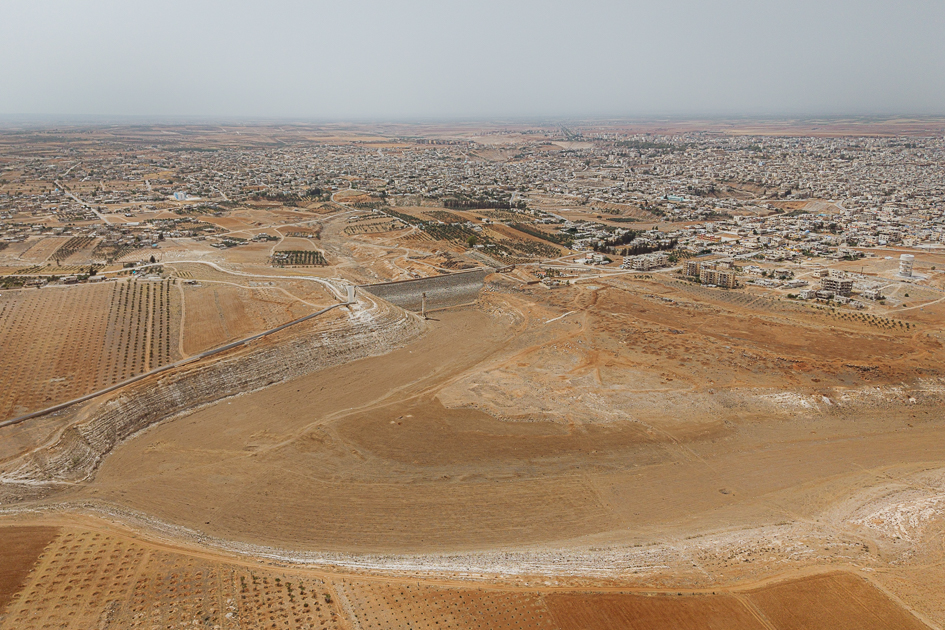
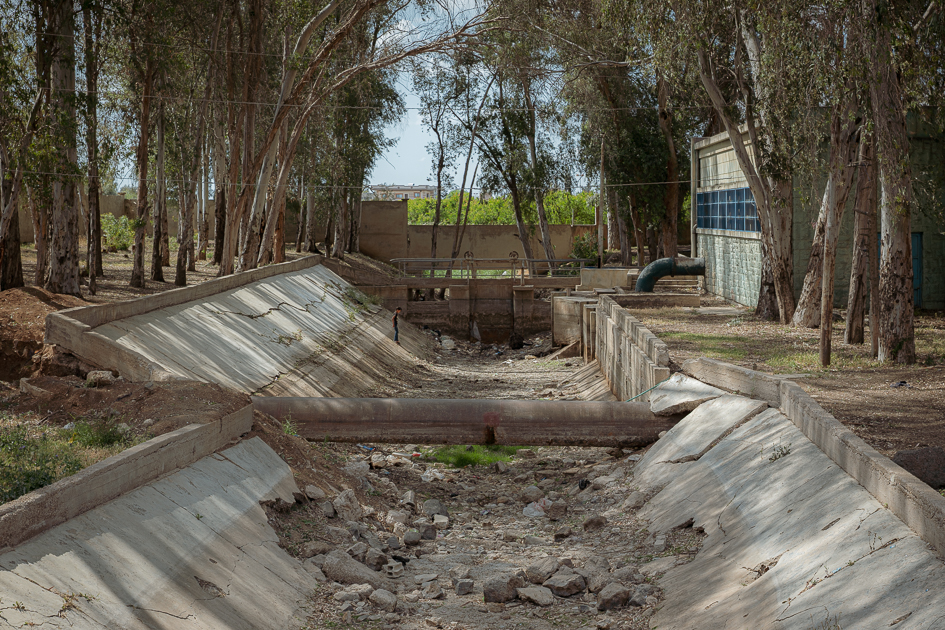
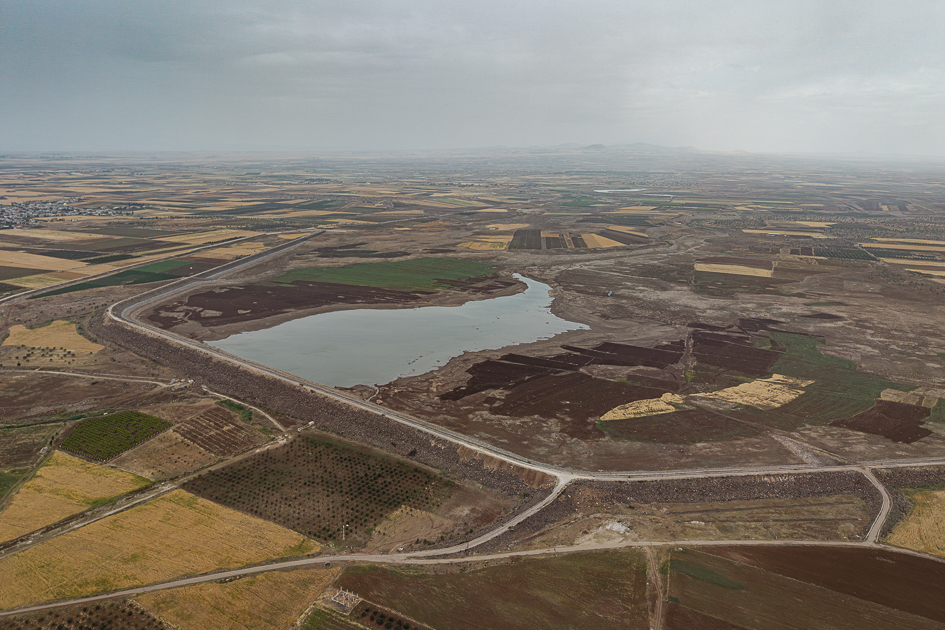
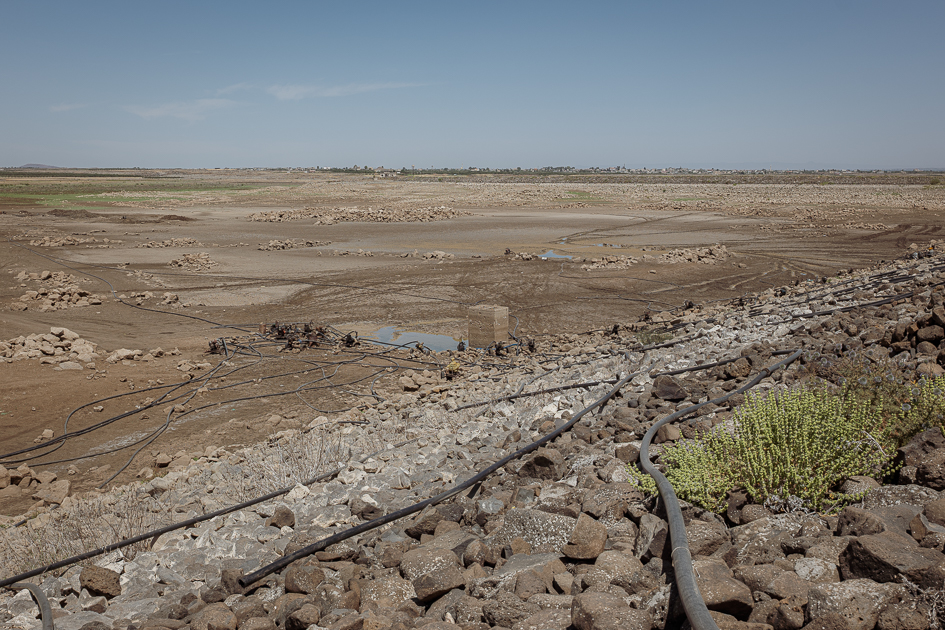
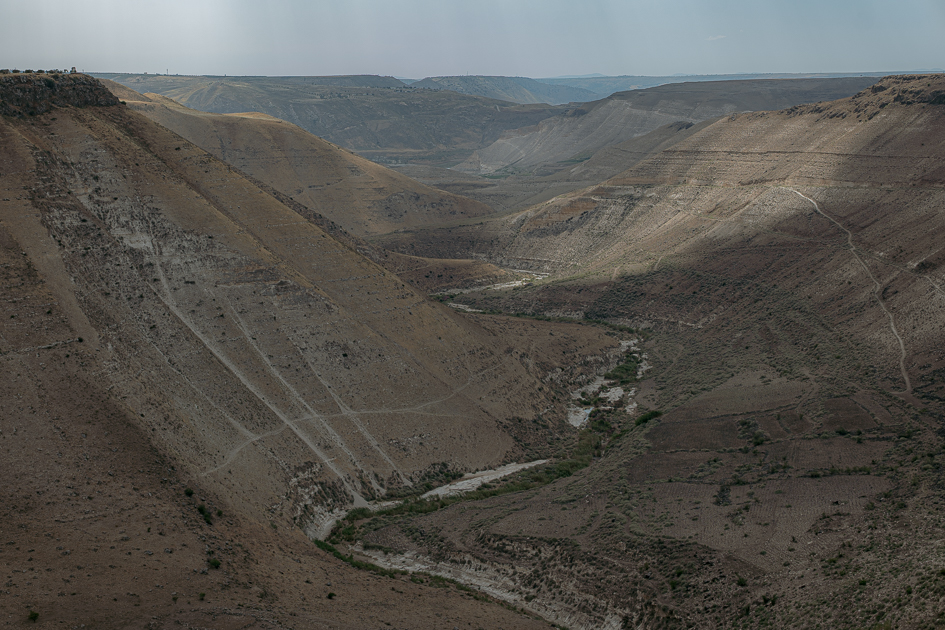
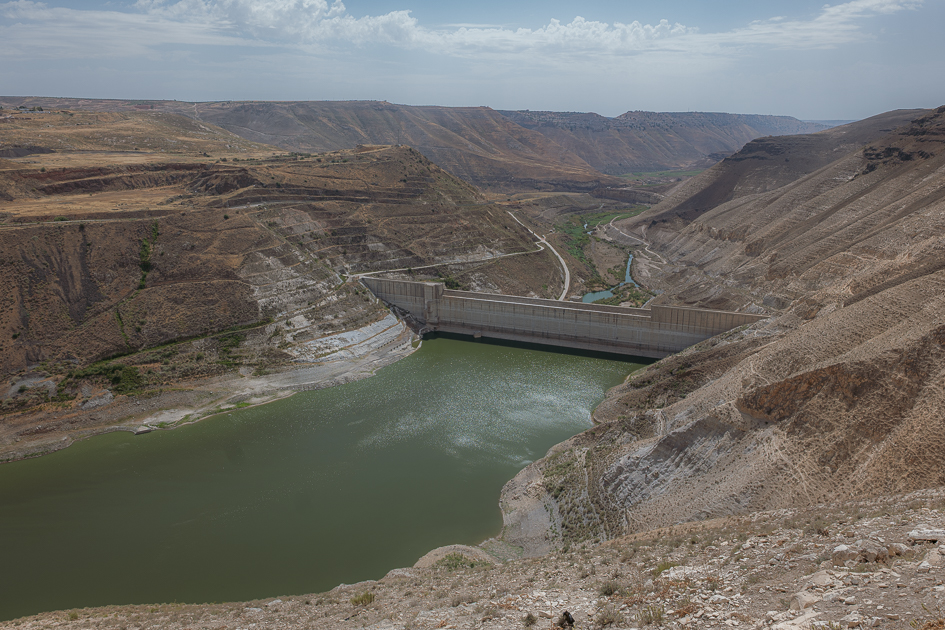
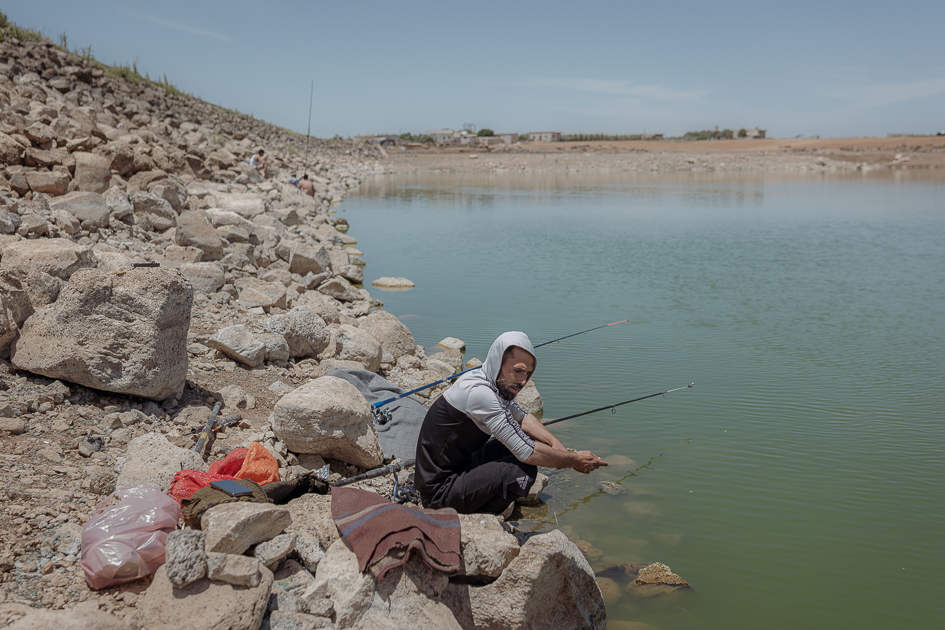
The Yarmouk River, essential for southern Syria and Jordan, has dried up, and reservoir levels have plummeted—from 33 million cubic meters in winter last year to just 3 million this year. The scarcity of water is not just an environmental issue but has deep political roots. Daraa was the birthplace of the 2011 Syrian revolution, with widespread protests leading to a 13-year civil war. Water shortages and agricultural decline contributed significantly to the unrest, and though the conflict ended in 2024, the water crisis continues to worsen.
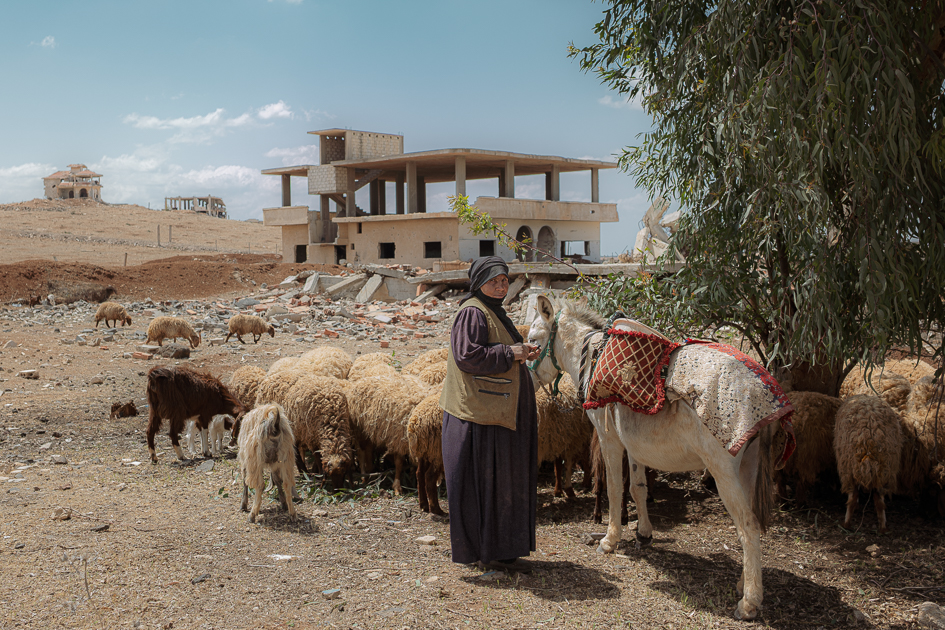
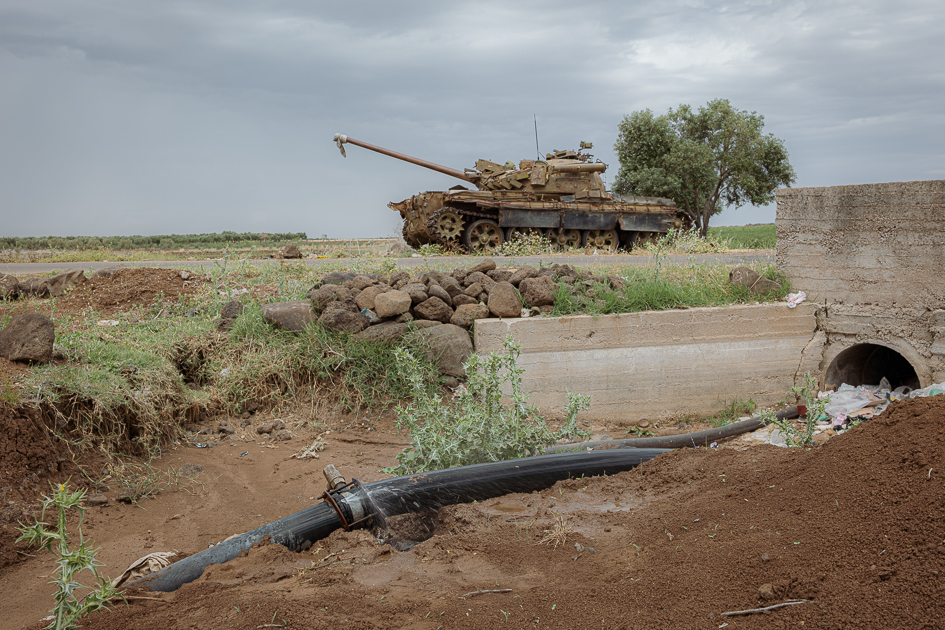
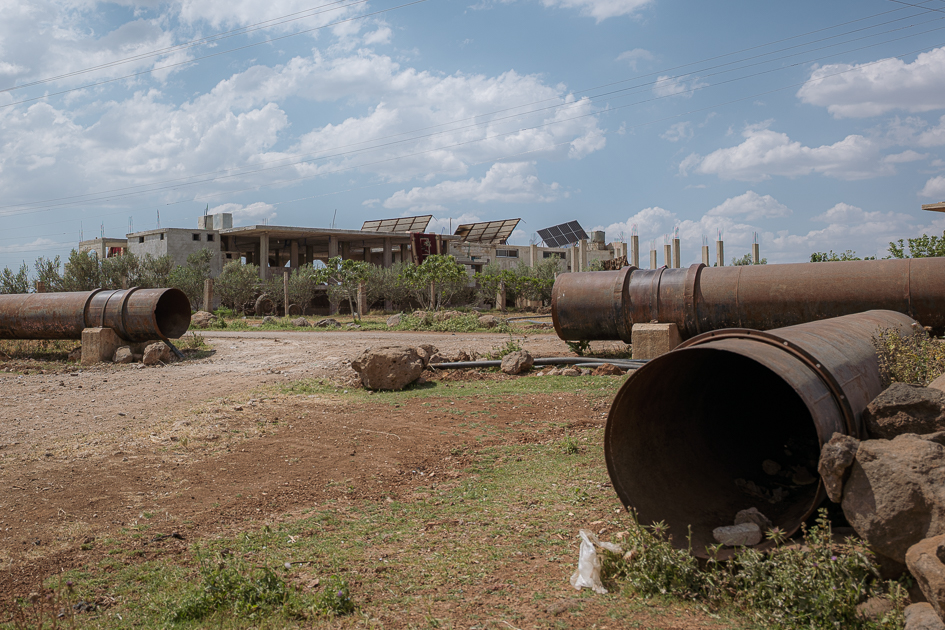
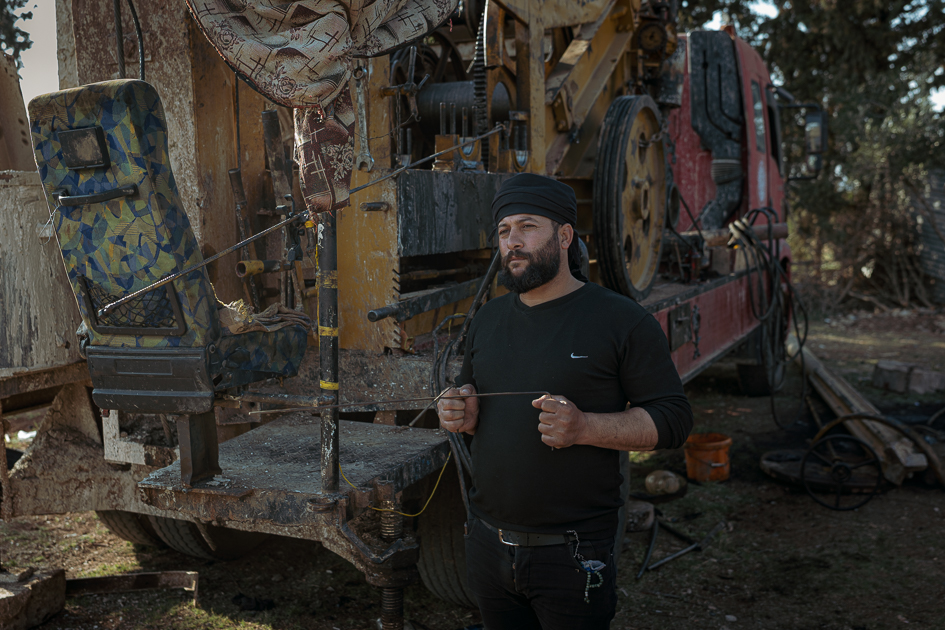
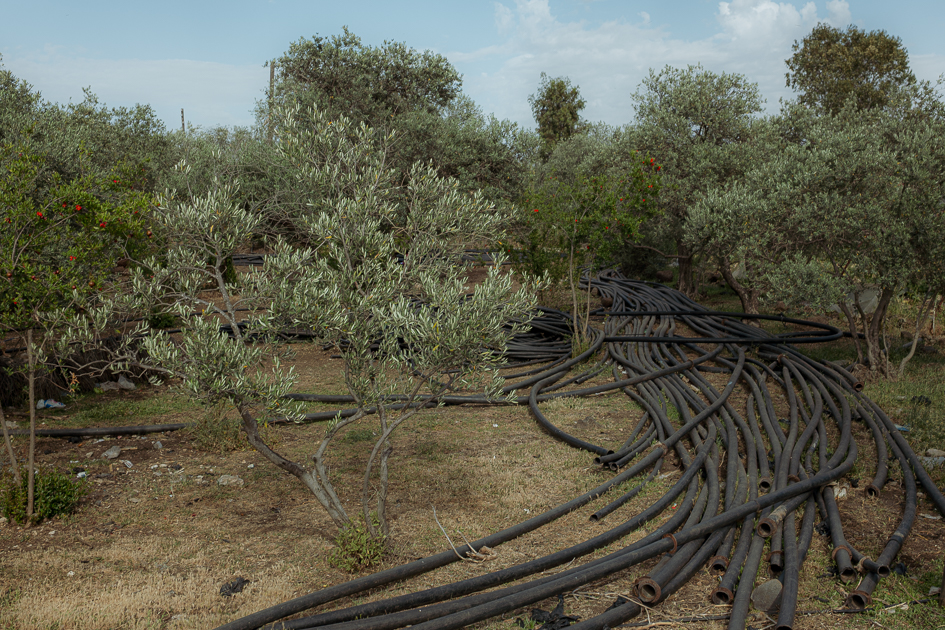
During the war, Daraa remained a rebel stronghold, suffering destruction from prolonged fighting. The irrigation infrastructure was severely damaged, and access to water became a tool of warfare. Tens of thousands of random wells were drilled in desperation, lowering groundwater level by hundreds of meters and accelerating soil degradation. Following the war, Syria’s new government introduced regulations to curb environmental destruction, but enforcement remains weak due lack of resources and personnel.
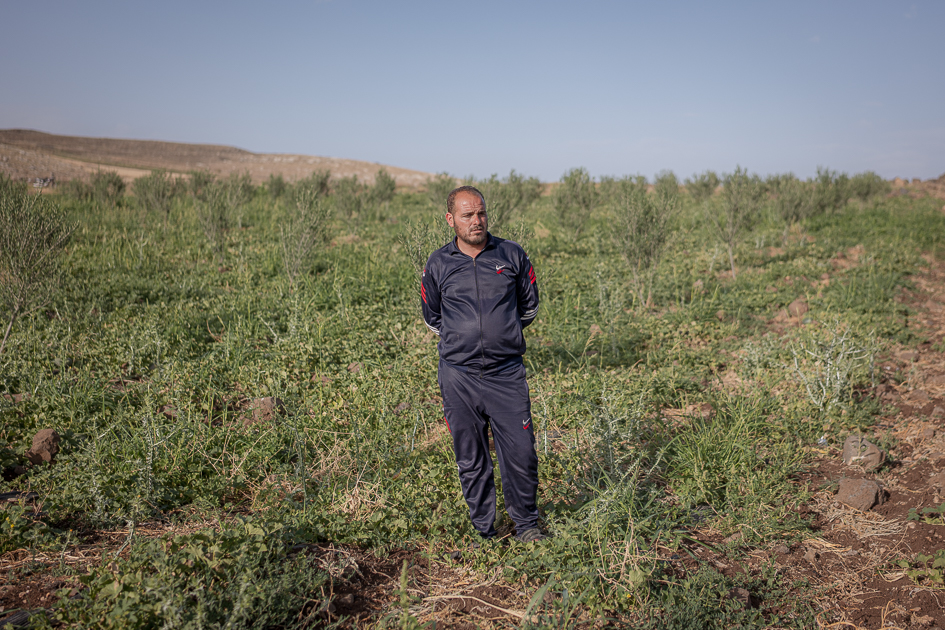
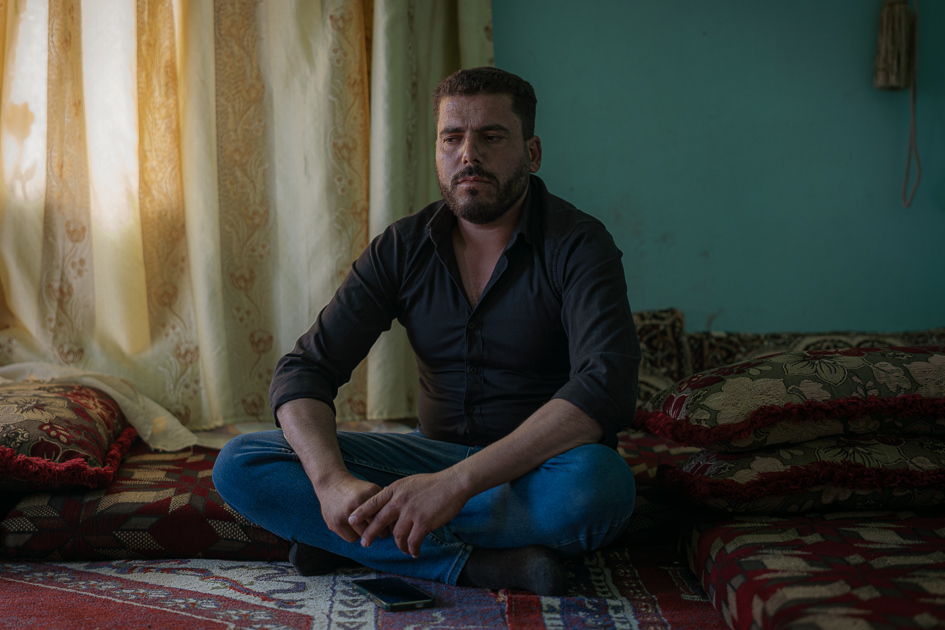
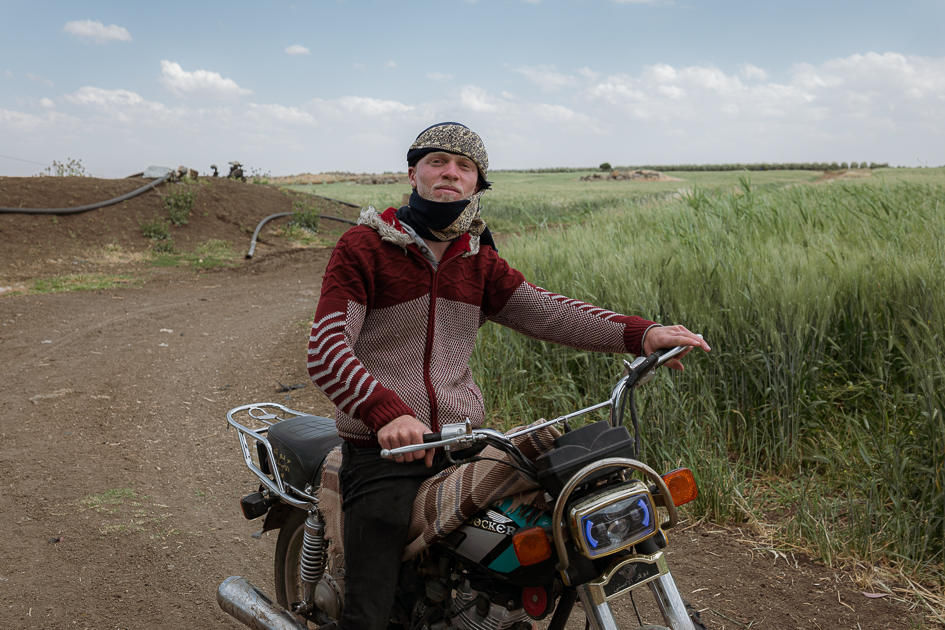
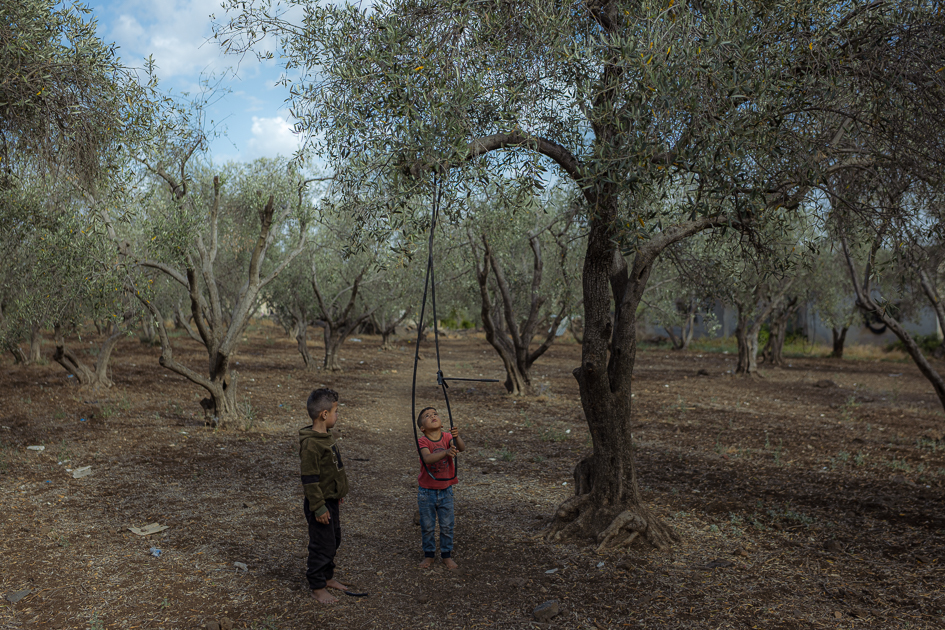
The breadbasket of Southern Syria is entering the final phase of its death throes, and the country is becoming increasingly dependent on foreign food imports. With no clear path to recovery, a new wave of migration seems inevitable for farmers whose land can no longer sustain them—the very land they once fought to keep.