Amadeusz Świerk

Photographer's portfolio

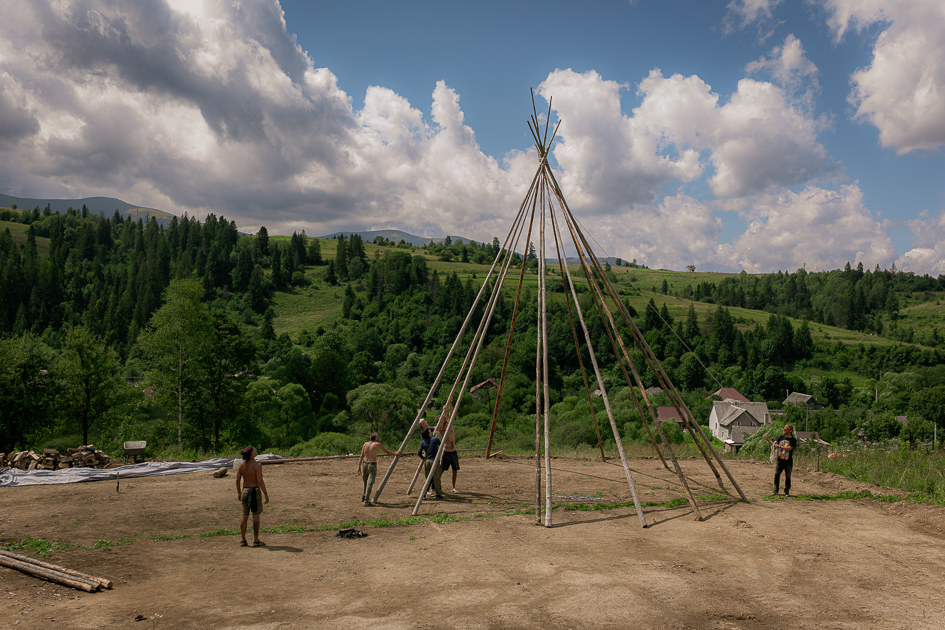
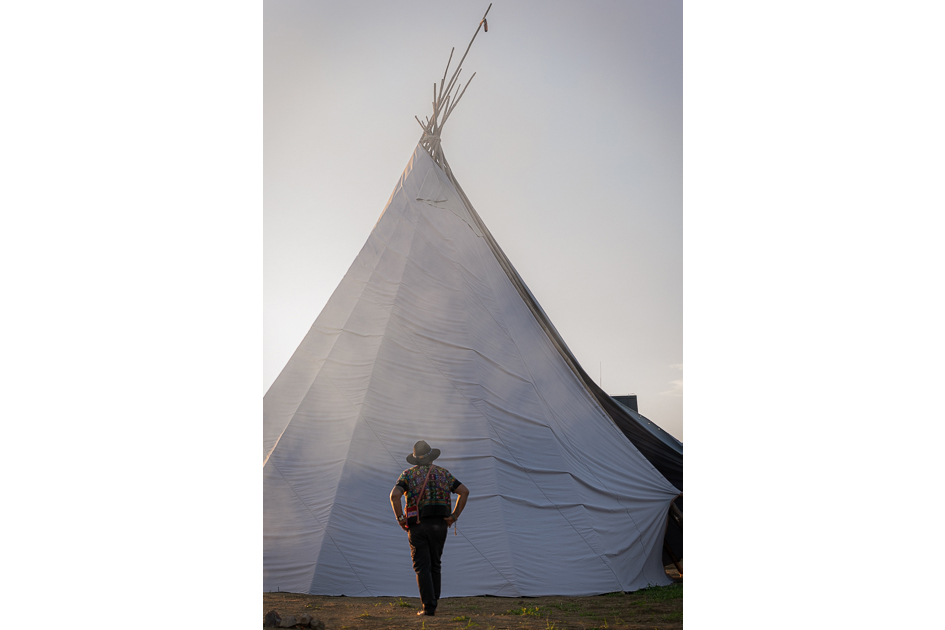
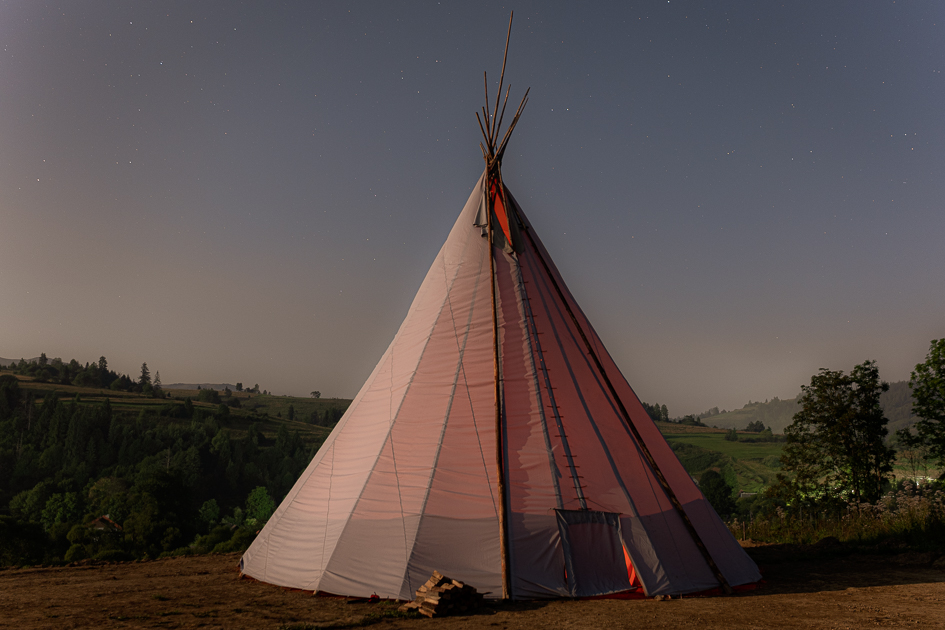
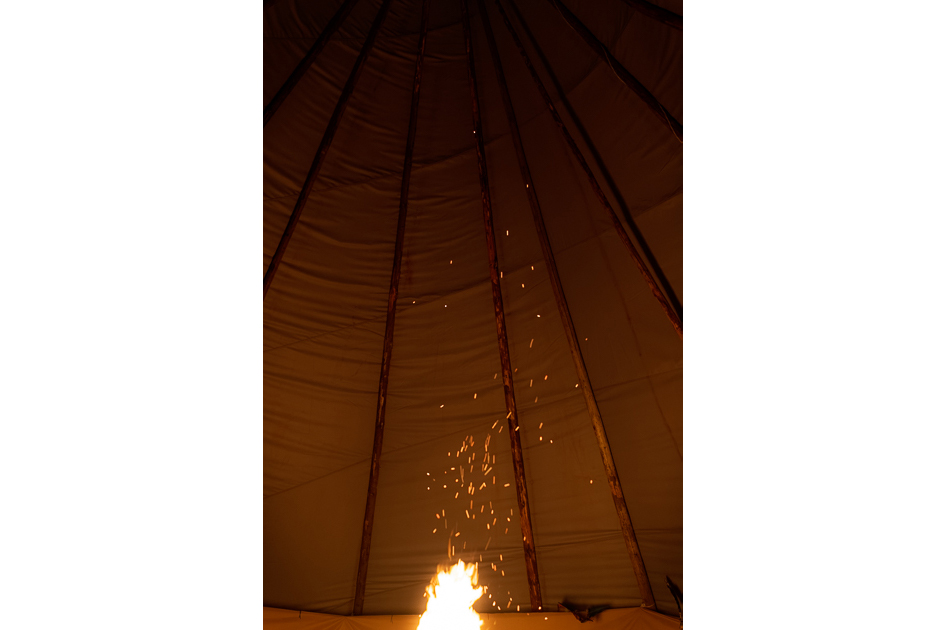
  • The camp begins with the collective construction of a tipi. This is when participants first meet the shamans who will be guiding them through ceremonies in the coming two weeks.

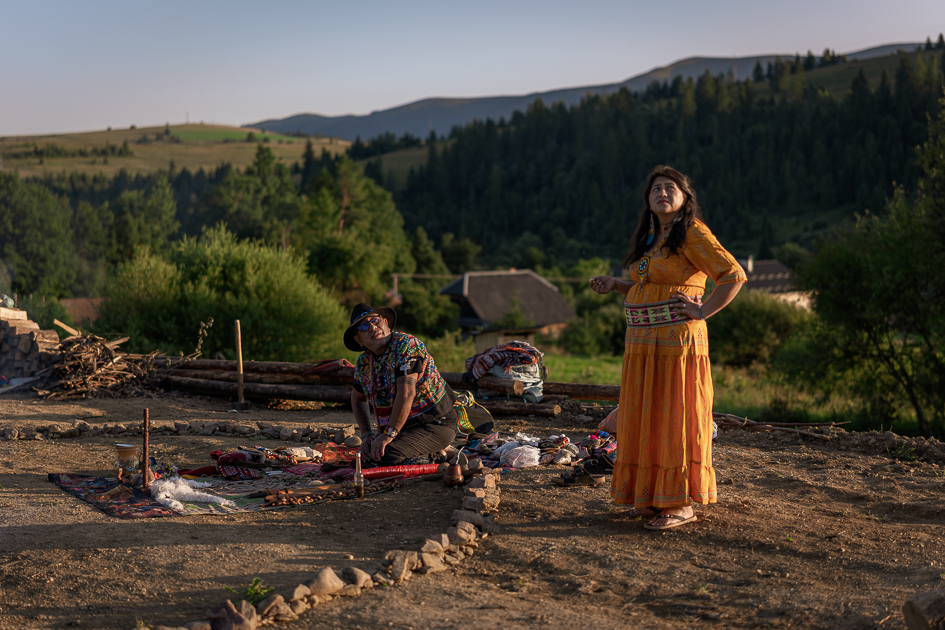
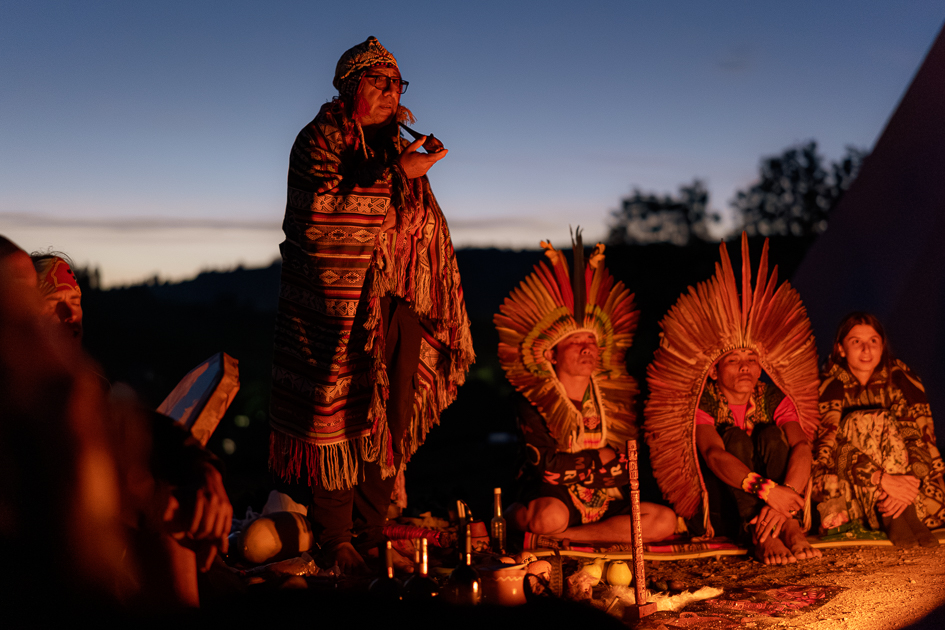
  • Liset and Raul watching constructed tipi. Liset Rojas was invited by Raul as one of the ceremony leaders. She lives in Peru, where she practices shamanism. She and Raul have known each other since their youth.

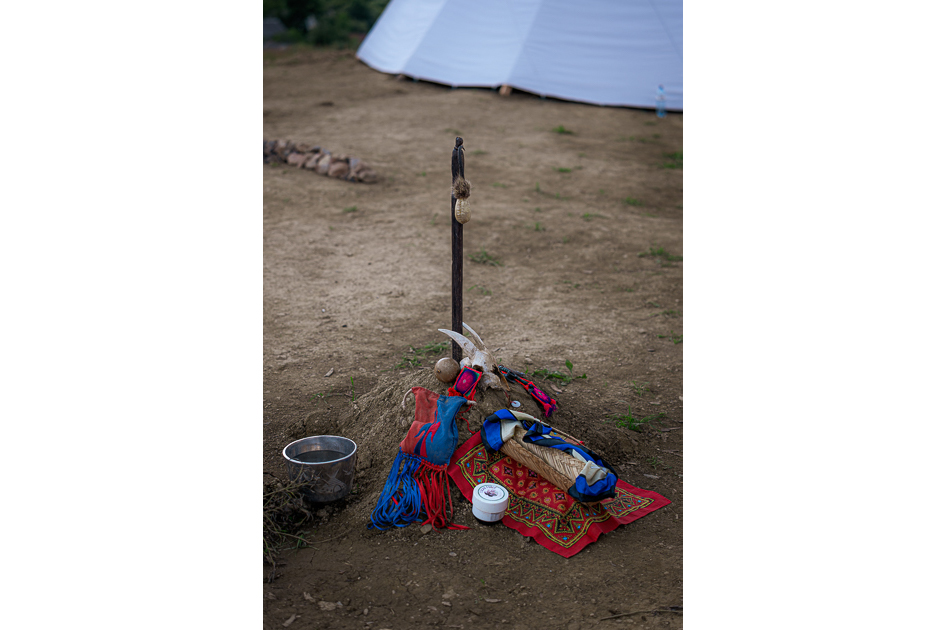
  • The pachamama ceremony on August 1st opens the retreat following South American tradition. It involves making offerings - despacho - such as coca leaves, seeds, fruits, and drinks. The ritual aims to maintain balance between humans and nature.

  • Raul came to Ukraine 35 years ago to study international law and stayed permanently. He ran several businesses and first got involved in shamanic ceremonies in Transcarpathia in 2018. Since then, he has organized eight retreats. After the full-scale invasion began, he left Ukraine, losing most of his enterprises. Seeking his further life path, he underwent an ayahuasca ceremony during which he received a vision instructing him to return to Ukraine and heal people from war trauma. He opened the "Flores Spirit Centre" in Kyiv, where he conducts ceremonies himself. In 2025, he also returned to organizing Carpathian camps, inviting "curanderos" - folk healers from South America.

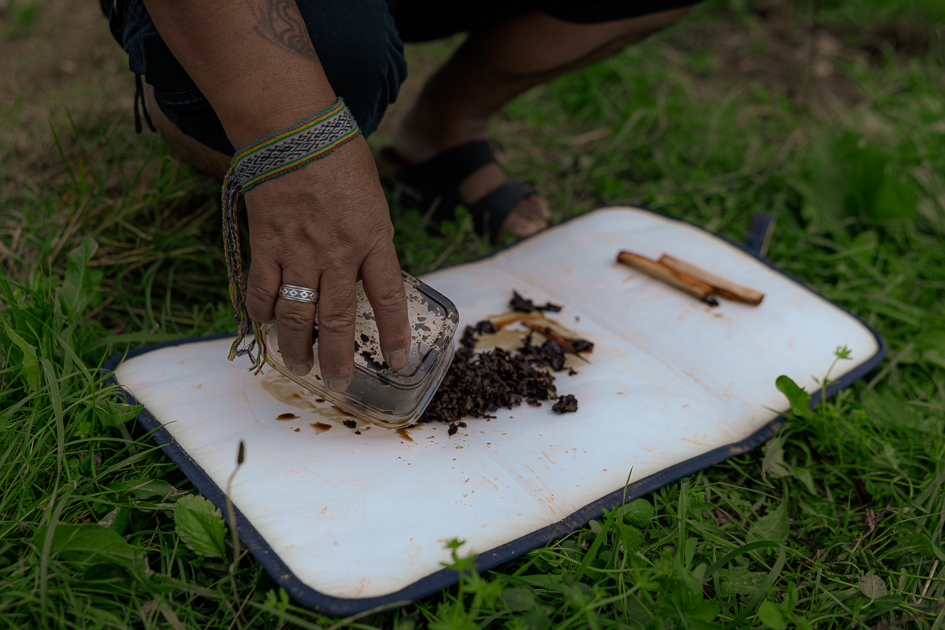
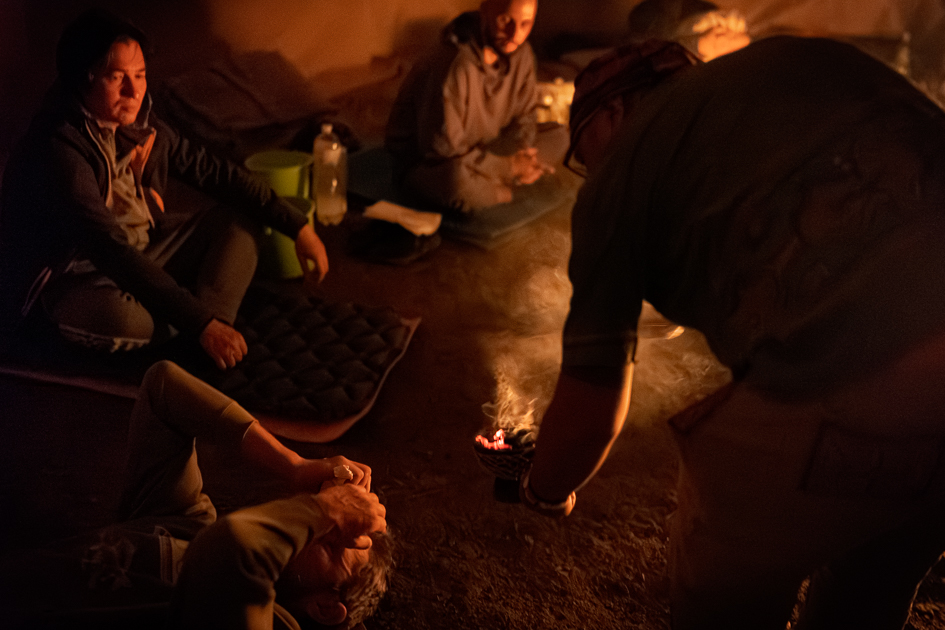
  • Raul prepares ceremonial tobacco. The practices are based on administering "medicinas" - sacred remedies from South American tradition. Shamans use not only psychoactive substances like ayahuasca and DMT, but also special tobacco, coca leaves, and snuff.

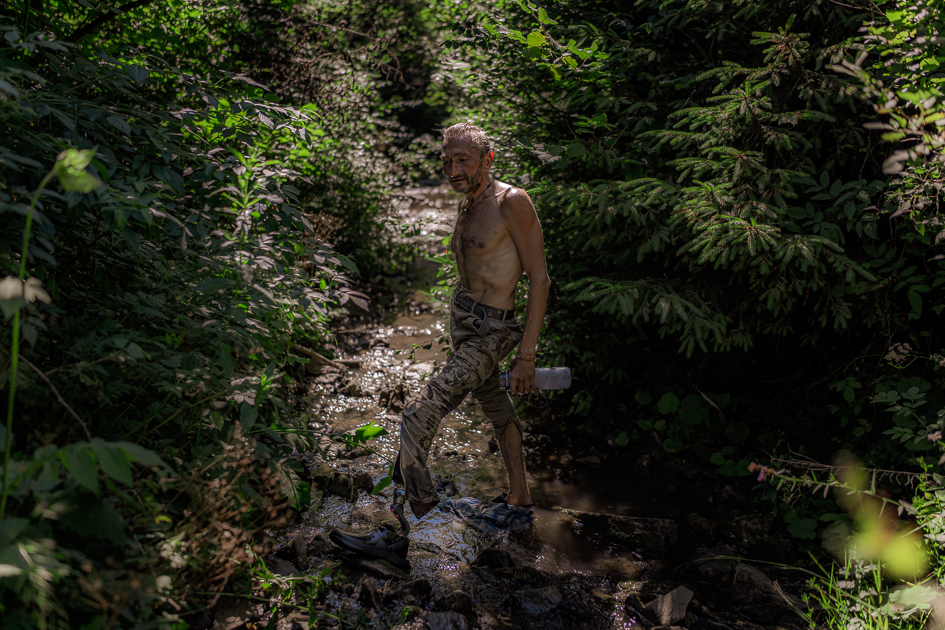
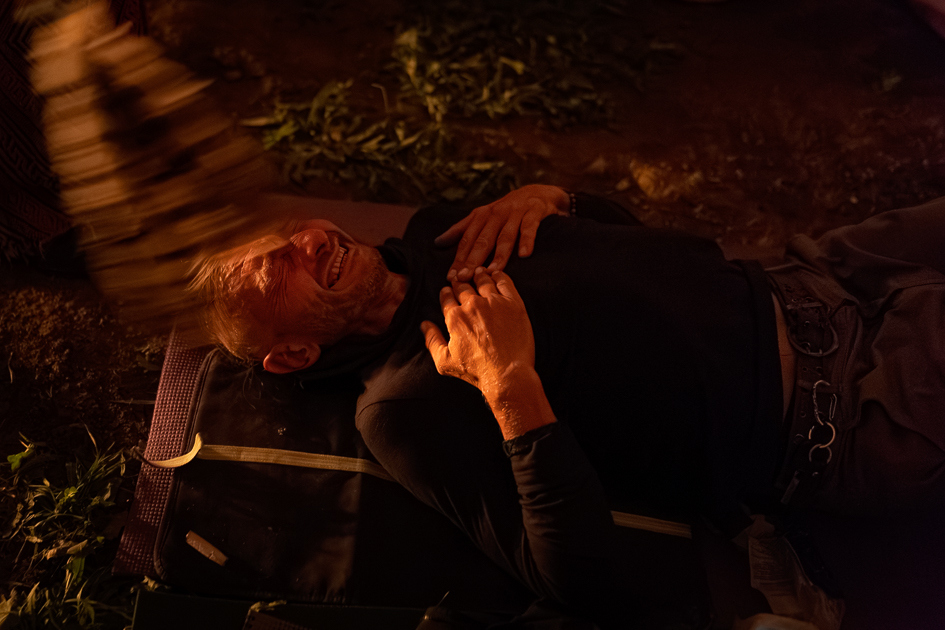
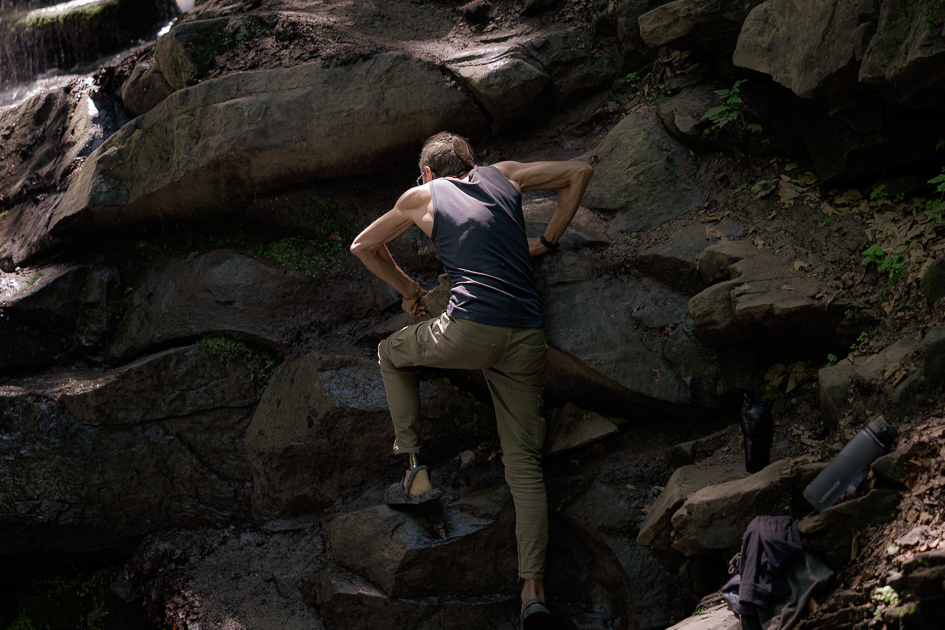
  • Denis Shcherbyna is a veteran of the war with Russia. He served as an infantry soldier and later as a drone operator. He lost his leg below the knee after stepping on a mine. He came to Transcarpathia seeking relief from phantom pains and to open himself to love for people and life.

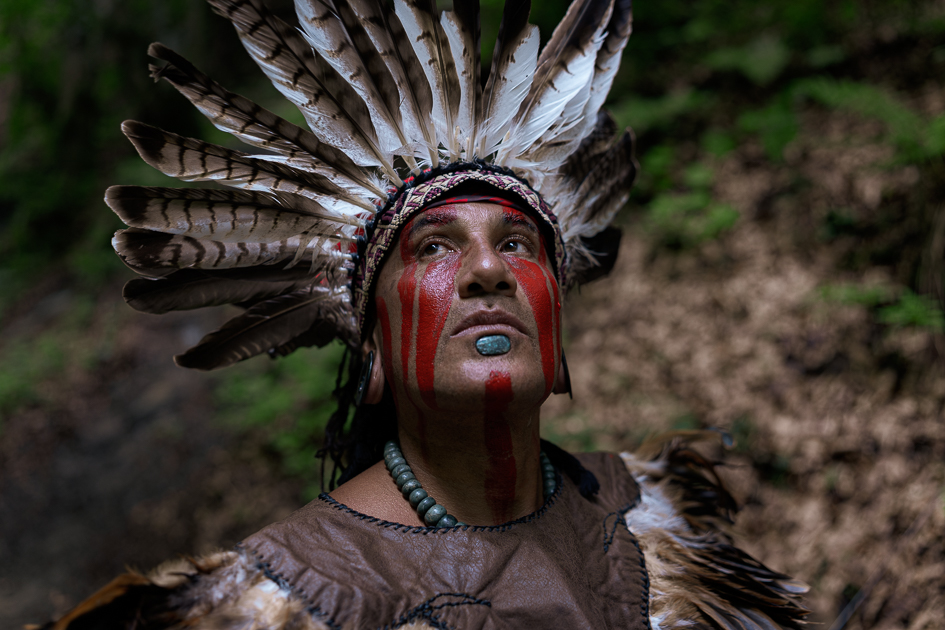
  • Huitzomitl, a Mexican tattoo artist and shaman, came at Raul's invitation as a volunteer. He helps conduct ceremonies in many countries, treating it as a way to help people and promote his country's ethnic culture.

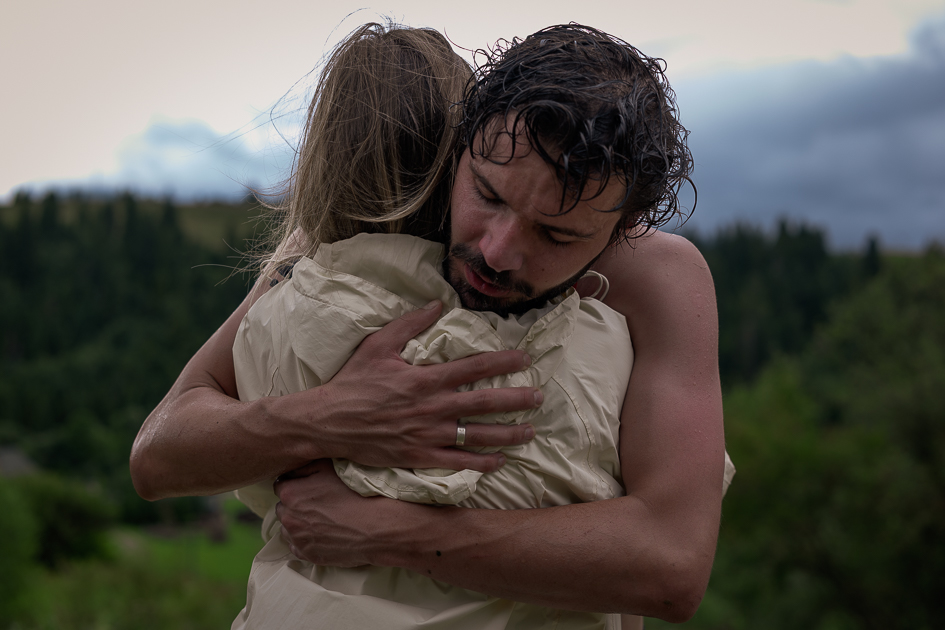
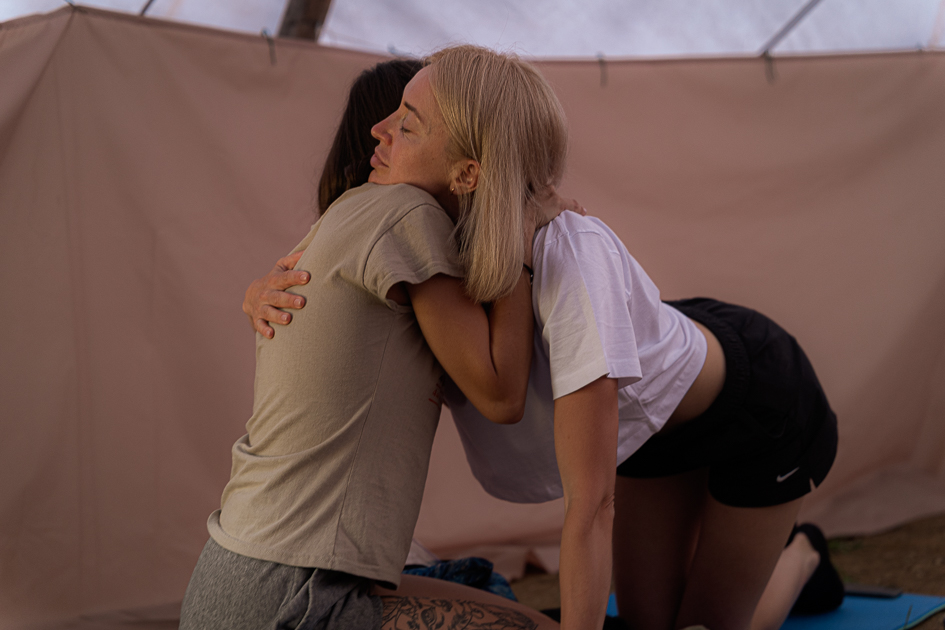
  • Anna, who is in advanced pregnancy, embraces her husband Sasha after his return from Vision Quest. Eight adventurers spent five days in the mountains without food, drink, or the possibility of conversation, sleeping in the forest under the open sky. Before departure and after return, they participated in Temezcal ceremonies - extremely hot, traditional bathhouses from South America. In the mountains, they could only use nature's gifts - eat local fruits, drink rainwater, and smoke ceremonial tobacco. During the Vision Quest, participants were spiritually supported by those remaining in the camp.

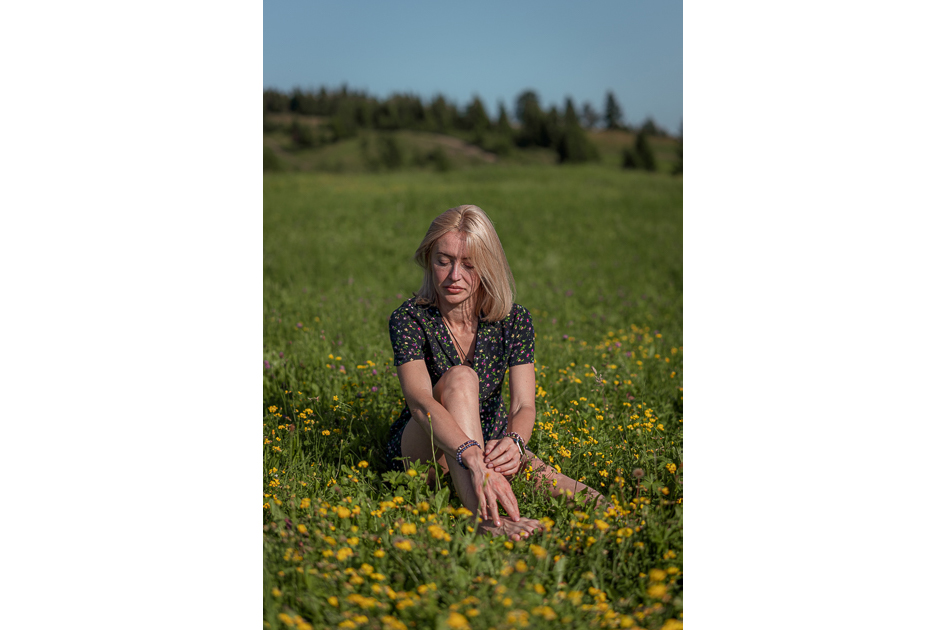
  • Olga Strokolist lost her mother and grandmother on June 17th in a Russian missile attack on Kyiv. She waited at the site of the tragedy for two days for body identification.

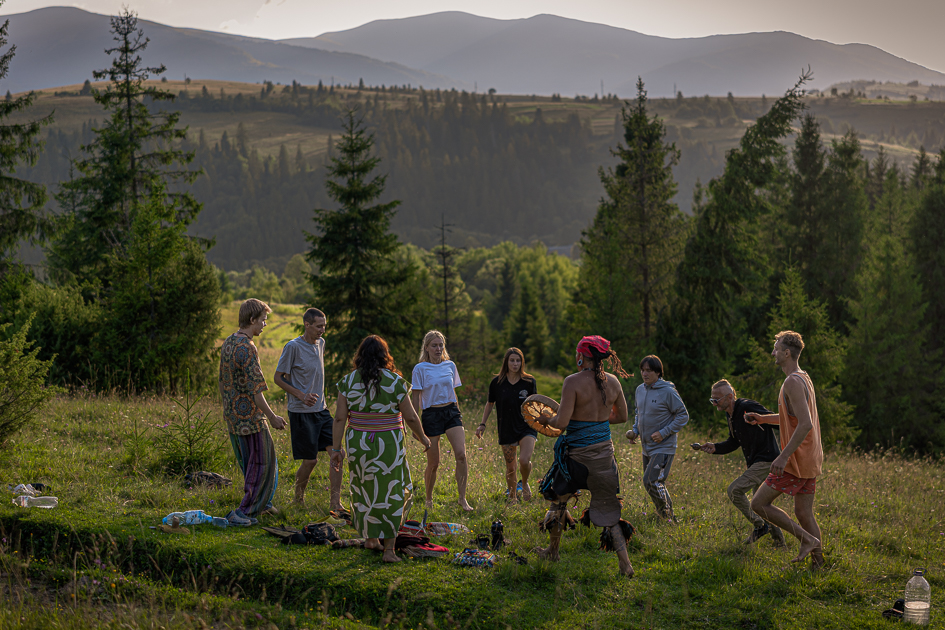
  • The San Pedro cactus ceremony lasts many hours and is gentler than other psychoactive substances. Participants go with shamans into the mountains, where they collectively experience an altered state of consciousness in nature's embrace. Unlike other ceremonies, which each participant experiences individually, here the emphasis is on community.

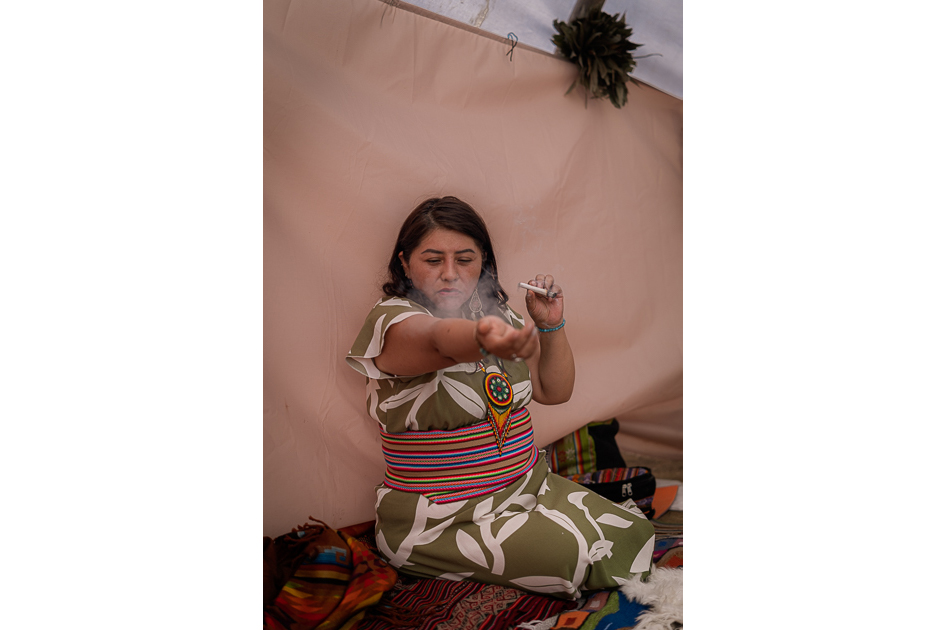
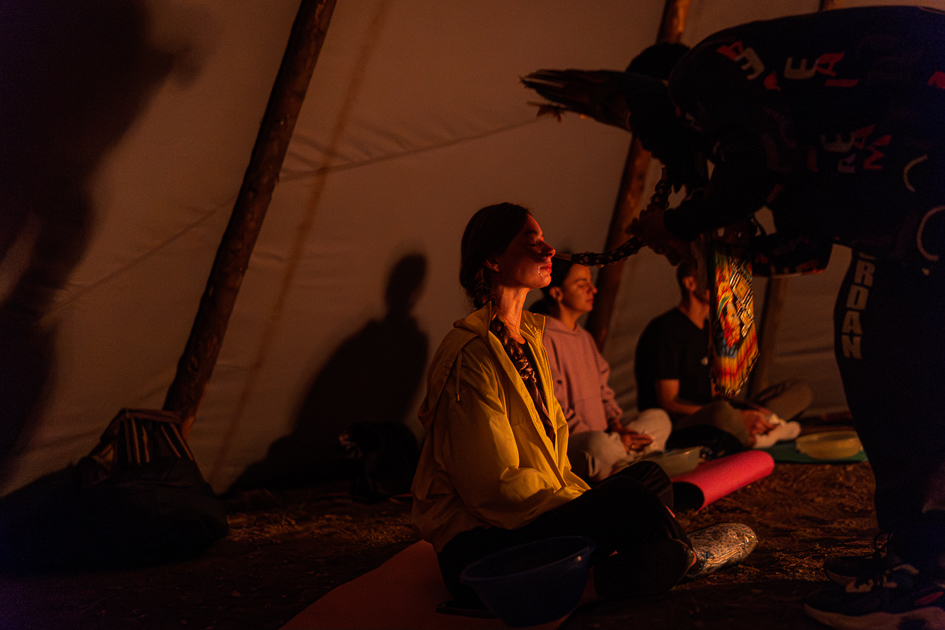
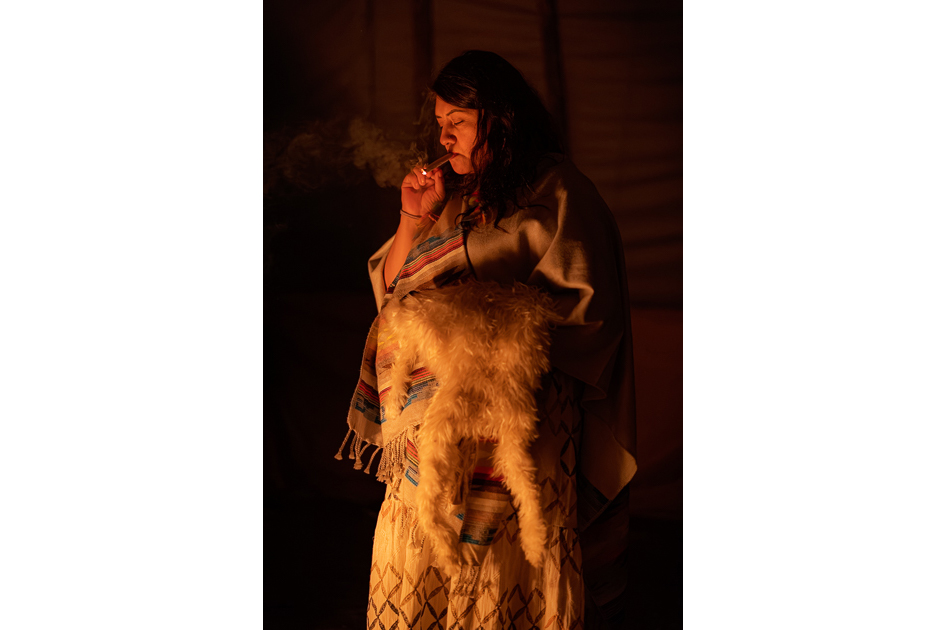
  • Liset begins the ceremony by incensing her body with smoke from ceremonial tobacco.

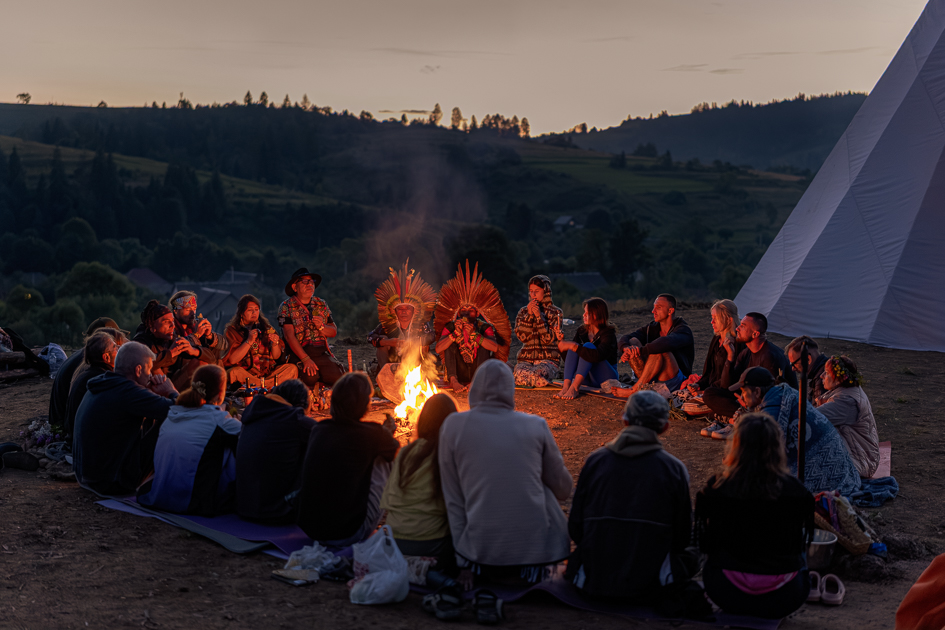
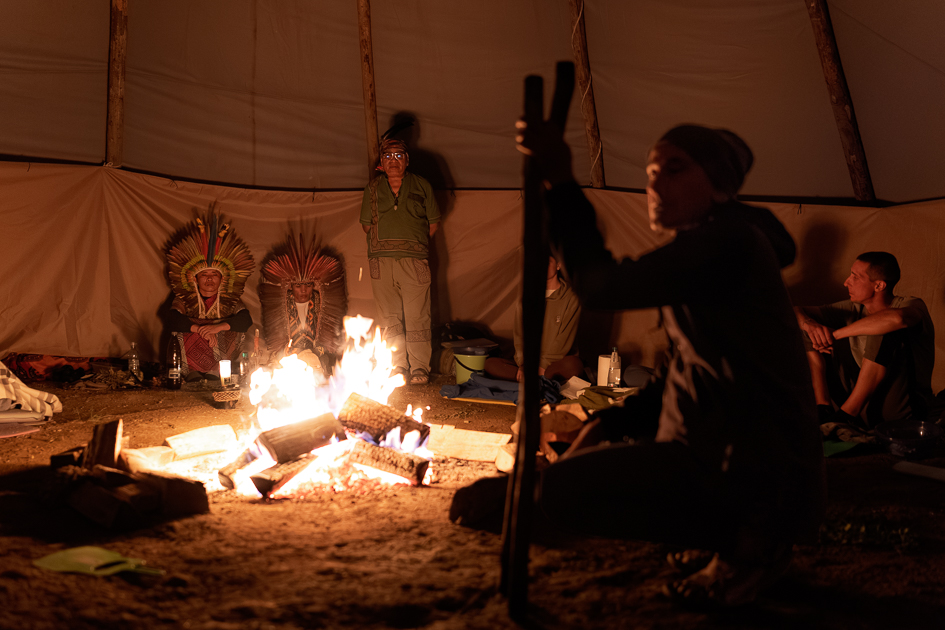
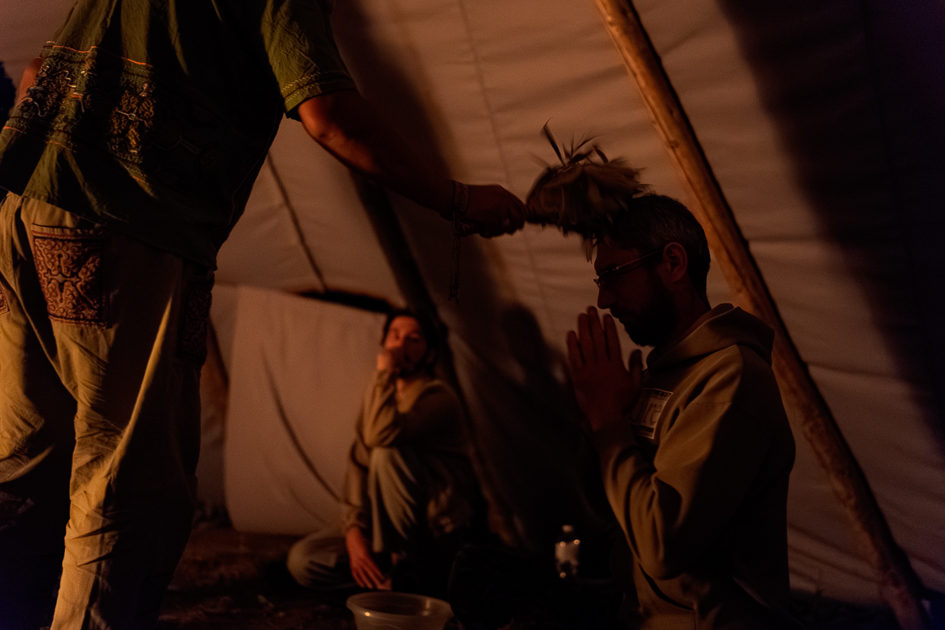
  • Special rules and procedures apply during ceremonies. Designated people guard the fire and tipi entrance. The fire is sacred and cannot be extinguished for the entire two weeks. Participants should maintain a sitting position to show respect to the deities. It's also forbidden to pass between the sitting shamans and the fire. Ceremonies require an authentic approach - shamans emphasize that they should not be performed for pleasure, but to help oneself or achieve spiritual development.

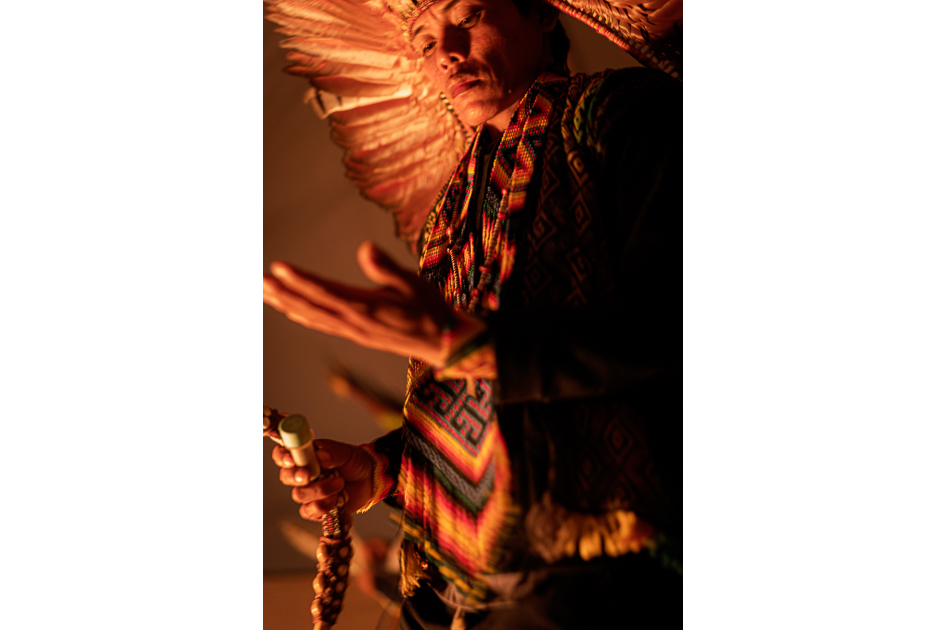
  • Shane from the Huni Kuin tribe came from the deep Brazilian Amazon at Raul's invitation. According to tradition, no one becomes a shaman by their own will - it's a life path that "finds a ready person by itself." "Curandero" must follow a series of behavioral and dietary rules before the ceremony. During ceremonies, he also takes psychoactive substances along with participants, often with even stronger effects - like charmapanga, variant of ayahuasca.

  • Denis during the Sananga ceremony - after applying highly irritating drops directly to his eyes. Sananga is a traditional Amazonian plant medicine used by shamans to cleanse and prepare participants for deeper spiritual "work."

  • The rapé ceremony - traditional Amazonian snuff is administered by the shaman into the nose through tepi - a special pipe-like instrument.

  • Despite such fresh trauma, Olga is holding up exceptionally well. She participates in ceremonies to learn how to continue living despite everything that has happened.

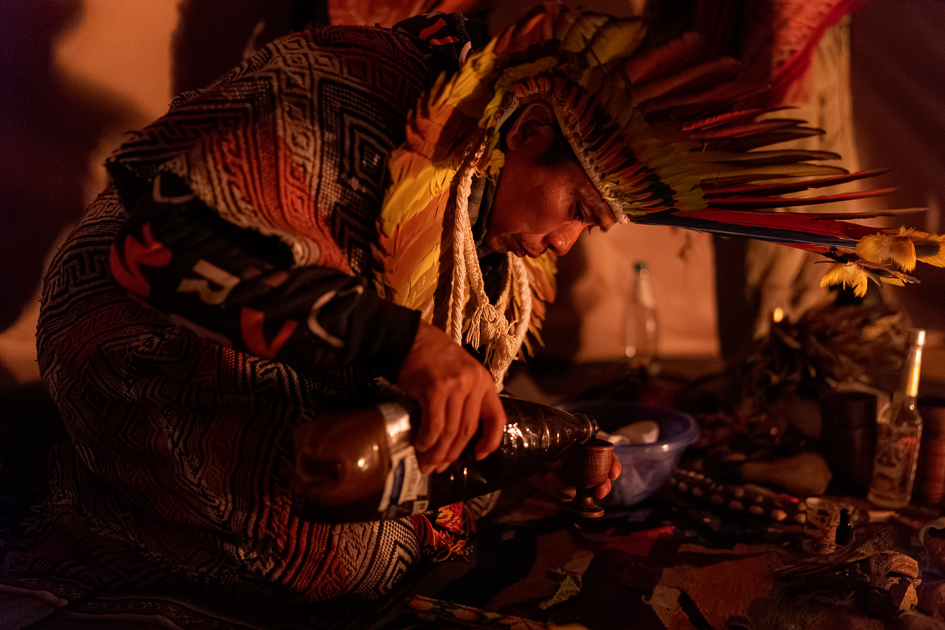
  • Shaman Shenabu from the Huni Kuin tribe pours ayahuasca into a glass. All "sacred substances" used by shamans were previously prepared in the Amazon according to traditional recipes.

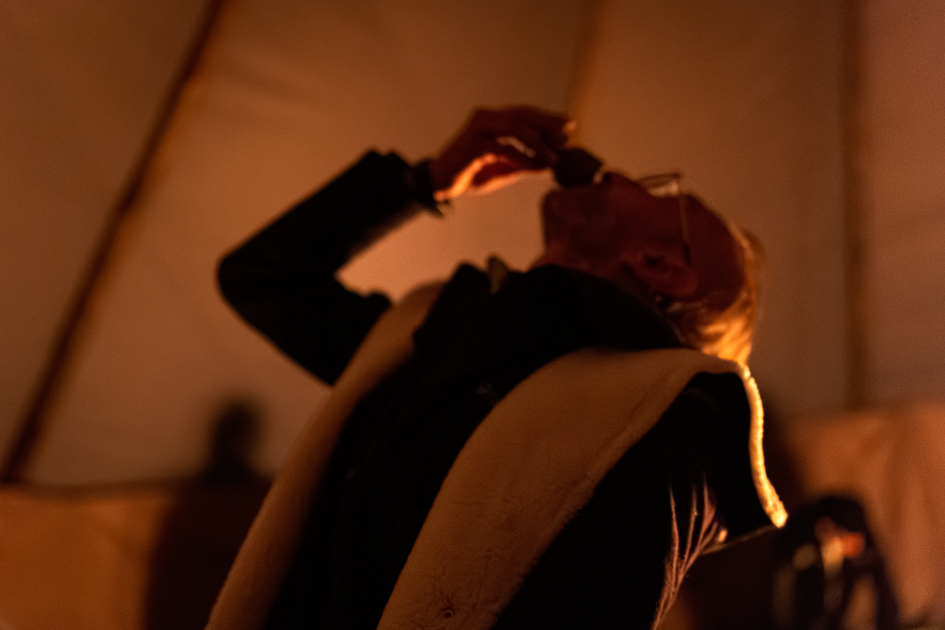
  • Denis drinks ayahuasca. The standard dose is 50-80 milliliters, but during night ceremonies, some participants receive additional portions. Before the ceremony one must follow a strict diet - abstain from alcohol, sex, and certain medications. Equally important is mental and emotional preparation, such as meditation, mindfulness practice, and reflection on the intentions with which the participant approaches the ceremony. The trip usually lasts 4–6 hours, and the ceremony itself extends through the entire night. During this time, participants may experience intense visions, emotional release, and deep personal insights.

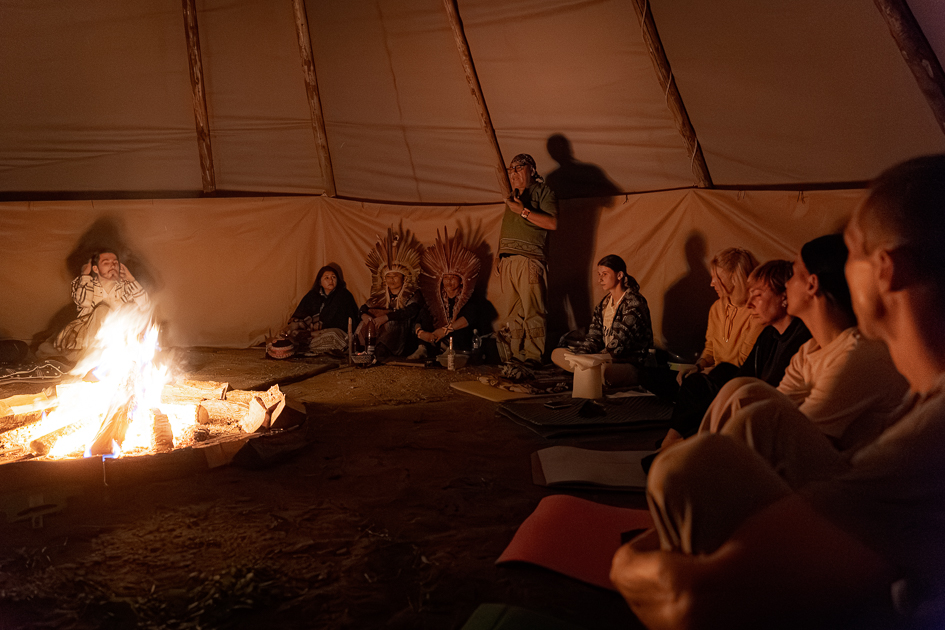
  • After the rapé and sananga ceremonies, before taking ayahuasca, each participant introduces themselves and states their intention. Then the shamans speak, sharing their thoughts and guidance about the upcoming trip. Raul serves as translator and mediator between the shamans speaking and the participants.

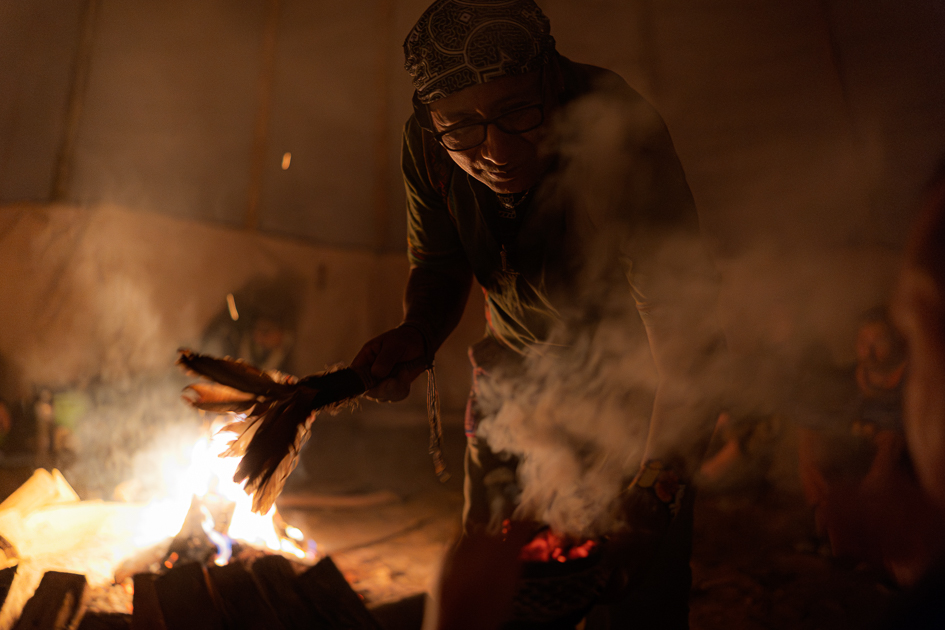
  • Aromatic incense and oils are essential to the ceremonial process.

  • Two months after losing her mother and grandmother in a Russian missile attack, Olga describes her emotional state at the site of the tragedy. "I felt no anger or rage, there was only love" - she says about the moments spent amidst the rubble. She views the spiritual development experience from previous ceremonies as preparation to cope with what she herself calls the most painful moment of her life.

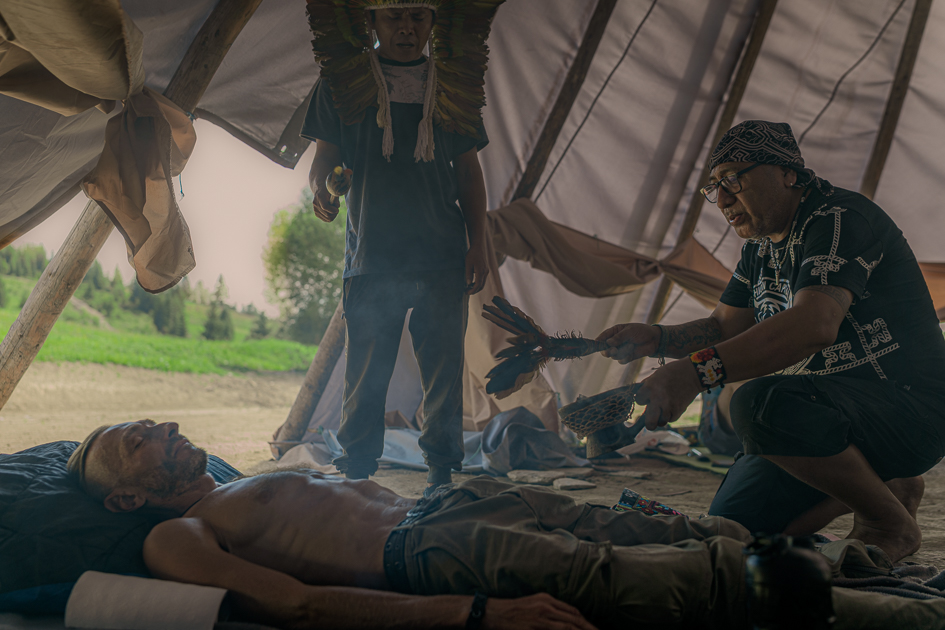
  • Shenabu and Raul conduct a DMT ceremony for Denis. DMT, known as the "spirit molecule," induces intense but visions lasting several minutes. During his experience, the shamans burn incense and sing icaros - traditional healing songs meant to support the participant in their spiritual journey.

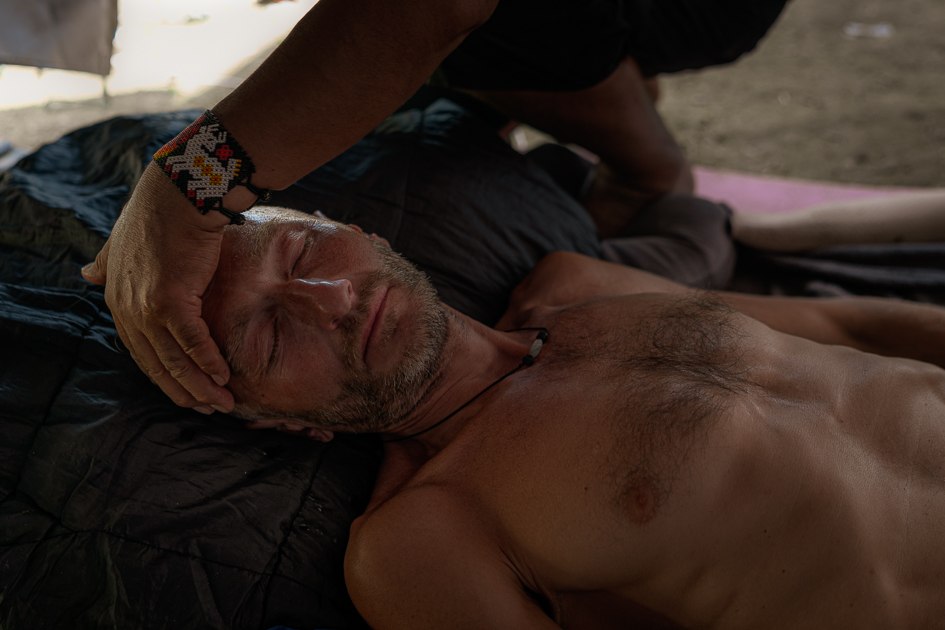
  • Almost two weeks of participating in ceremonies had a strong impact on Denis. He plans to buy a house in Transcarpathia and travel to South America to explore its culture and shamanic rituals. Denis recalls that although he didn't manage to have a deep journey with ayahuasca, he found respite in every ceremony, noting periods where the phantom pain from his severed limb, which had persisted for months, would disappear completely from his awareness.

1/

Shamanic Ceremonies in Ukrainian Transcarpathia

In one of the mountain villages, strange singing carries through the warm summer evening air, accompanied by the intense rhythm of drums. Inside a large tipi set on the hillside, dozens of people sit in a circle, silently listening to shamans from South America who have traveled here specifically to conduct this ceremony.

The air is thick with the smoke of burning ceremonial tobacco and incense, while at the altar before the fire, Shane from the Amazon prepares a thick, brown, bitter brew that some participants will taste for the first time in their lives. Over the coming hours, their perception of reality will change dramatically, and each person will have an opportunity to view themselves and their lives from a completely different perspective. This is how ayahuasca works—a powerful hallucinogenic drink made from Amazonian plants, called sacred medicine in traditional South American cultures.

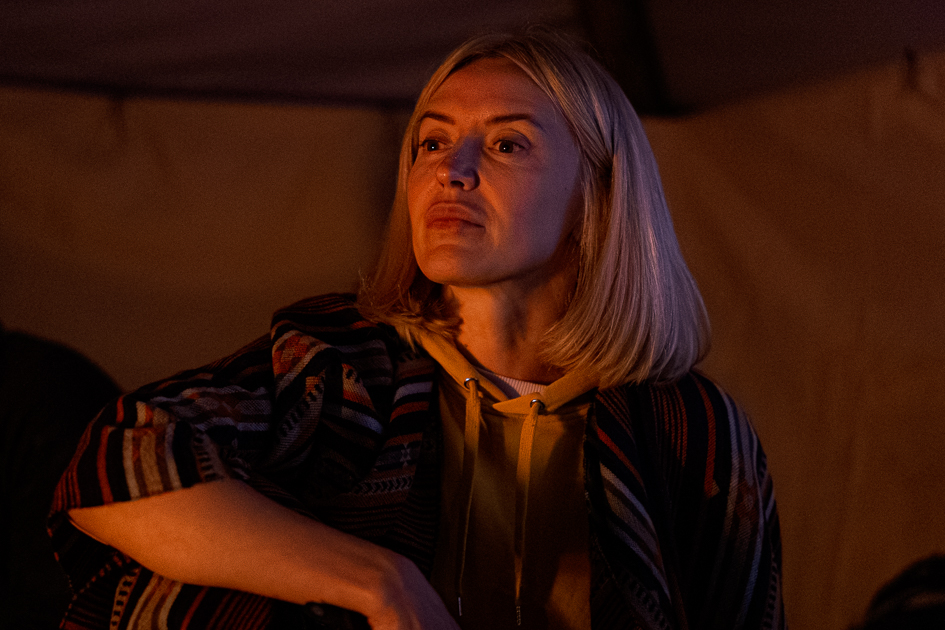
Among the approximately 30 participants, most are residents of major Ukrainian cities under constant threat. Nearly all carry some experience of war, seeking respite in rituals and hallucinations or searching for answers to questions that have emerged in recent years. Denis, a veteran who lost his leg after stepping on a mine, came seeking relief from phantom pain and to open himself to love for people and life. Olga, who fled Donetsk in 2014 and lost her mother and grandmother two months ago in a Russian missile attack, sits thoughtfully gazing at the fire. She’s not seeking quick comfort—she wants to learn how to continue living despite everything that has happened.

The ceremonies were organized by Raul Flores, a Peruvian who came to Ukraine 35 years ago to study. After the outbreak of full-scale war, he briefly left the country, but his experience with ayahuasca convinced him to return and continue his work. For this two-week retreat, he invited five shamans from Brazil, Mexico, Peru, and Argentina. The program includes ayahuasca ceremonies and rituals with other substances used in indigenous South American cultures—peyote, DMT, sananga drops, Amazonian frog secretions, and ceremonial tobacco. For many, this is a space where wounded souls can breathe. For some, it represents a hope of overcoming PTSD that hasn’t responded to therapy or medication.

© 2024 Amadeusz Świerk