Amadeusz Świerk

Photographer's portfolio

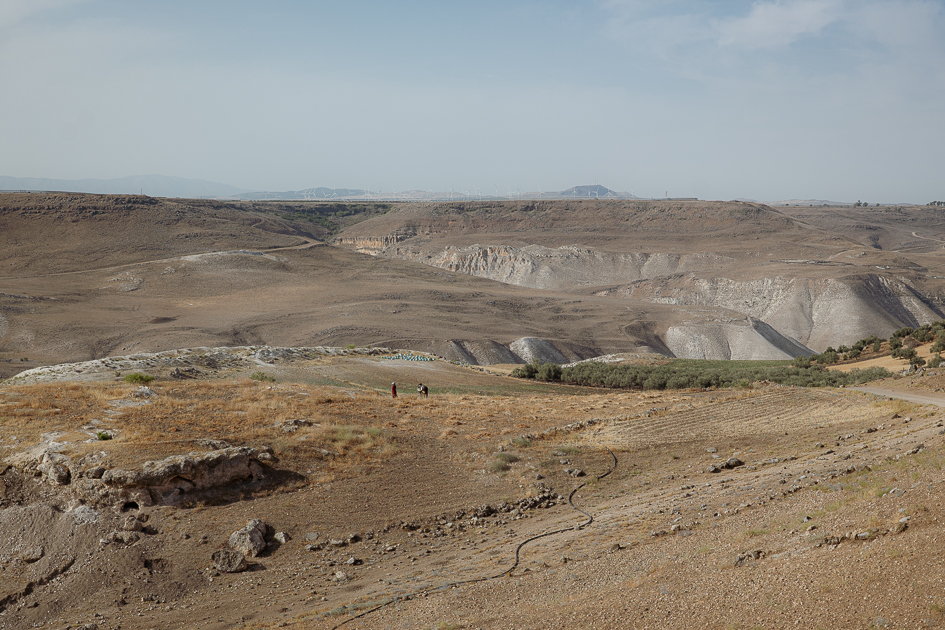
  • The northern part of the Daraa governorate. More and more of region will face desertification of the landscape; the current hydrological situation is irreversible.

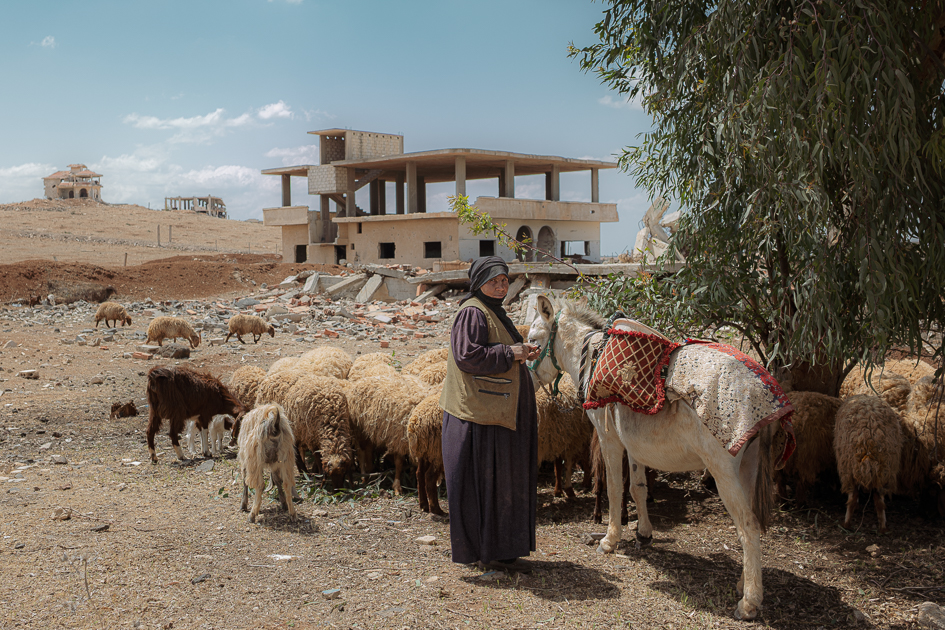
  • Nezma Hamed (62) brings her sheep and cows to the edge of the city every day, where the last trees along the road still provide some food for her animals. She spends entire days breaking branches to feed them. Four years ago, her herd numbered 50 sheep and 10 cows; today, only 20 sheep and a few cows remain. Drought and polluted water are decimating the animals, and rain is her only hope for survival.

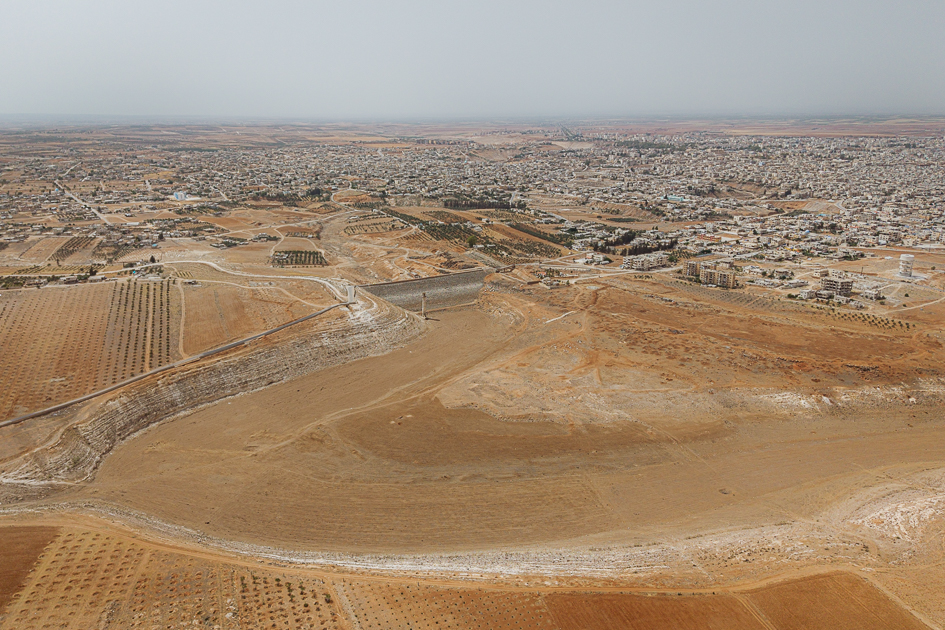
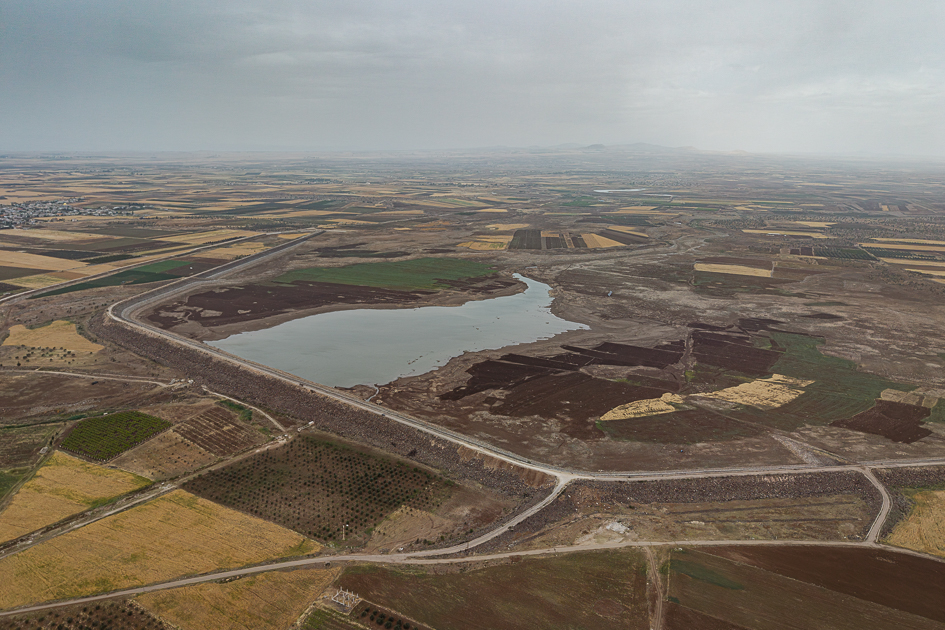
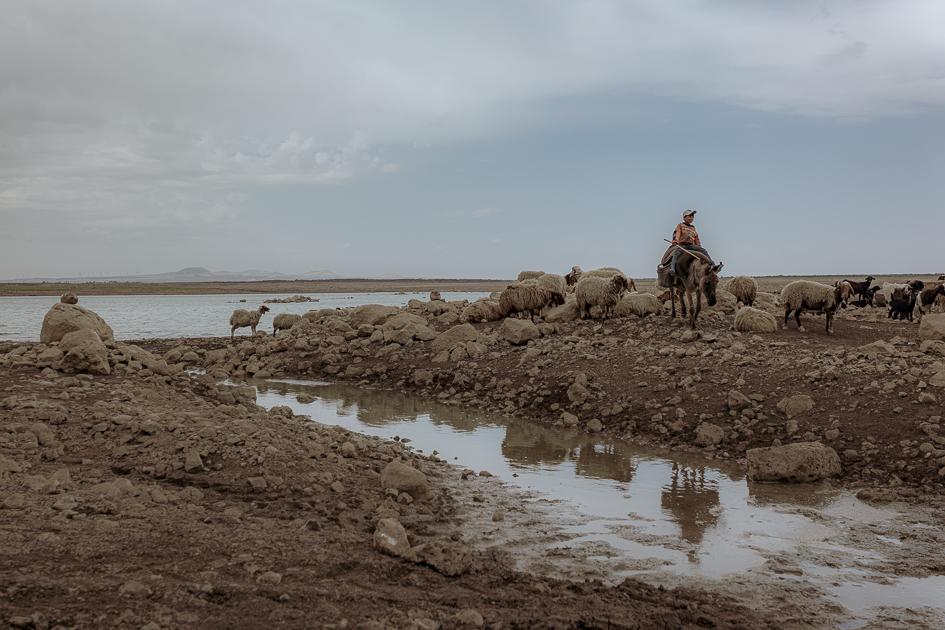
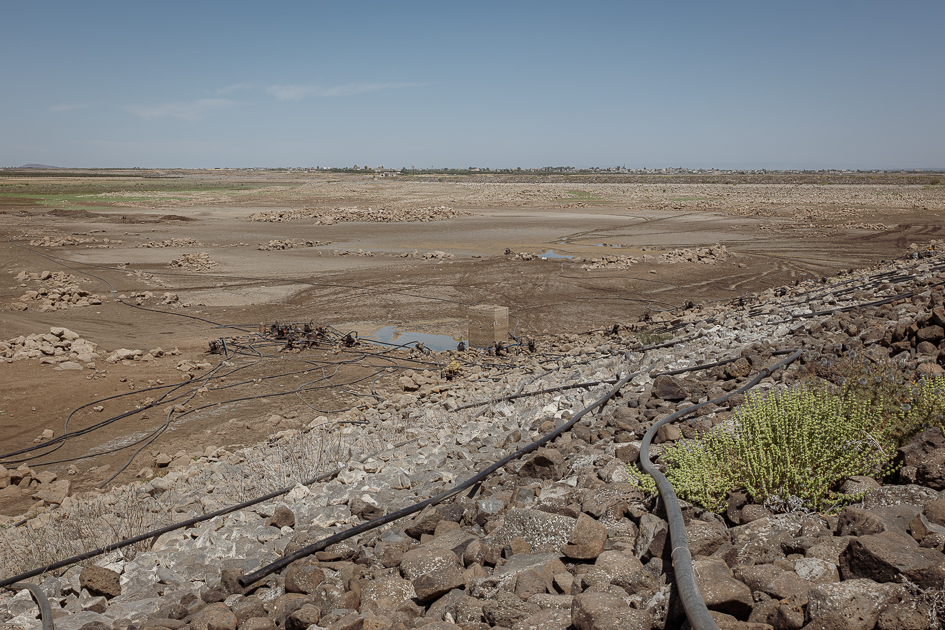
  • Reservoir located on the outskirts of Daraa held water for the last time in 2018. The city is facing a severe crisis, providing water to each of its districts once every five days. The situation is equally dire for agriculture - this year’s rainfall is the lowest in seven decades. The crisis is affecting everyone, from farmers to herders.

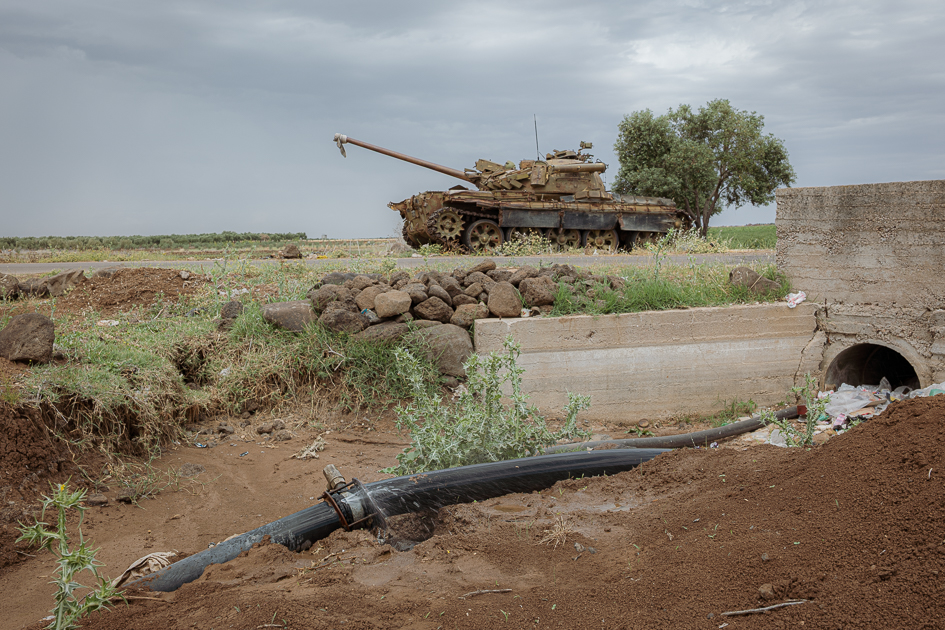
  • A working tank, abandoned by rebels on the outskirts of Koayah, a town located near the junction of Israeli and Jordanian borders. The area was invaded and occupied by Israel in recent months. The tank is waiting to be transferred to the command of the new Syrian Ministry of Defense.

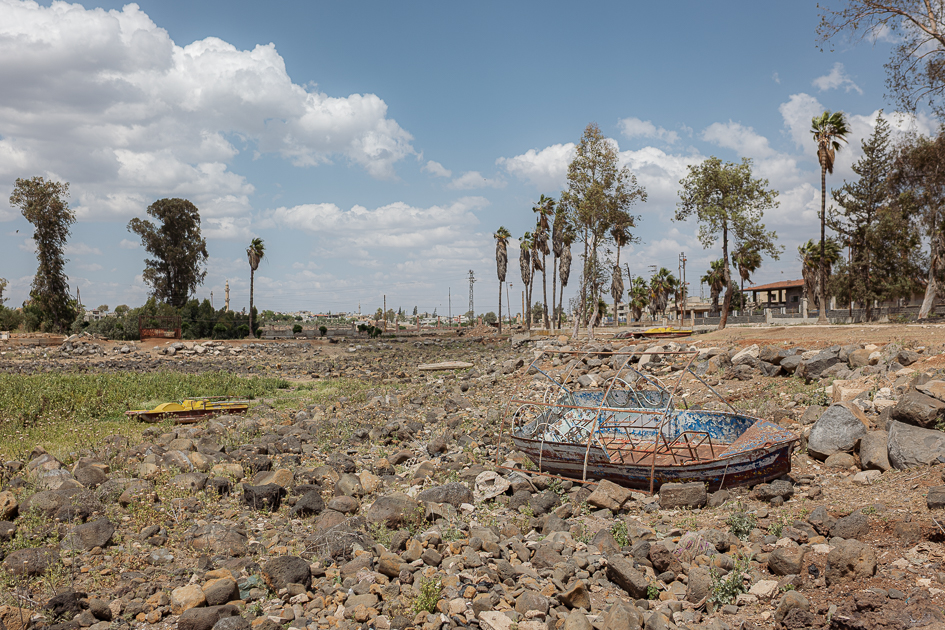
  • Husks of tourist boats rest on the rocks of the dry lake near Muzayrib, which, before 2022, supplied water to the entire town. Farmers tried to establish crops on the lake’s bottom soil, but the last remnants of underground water are drying up as well.

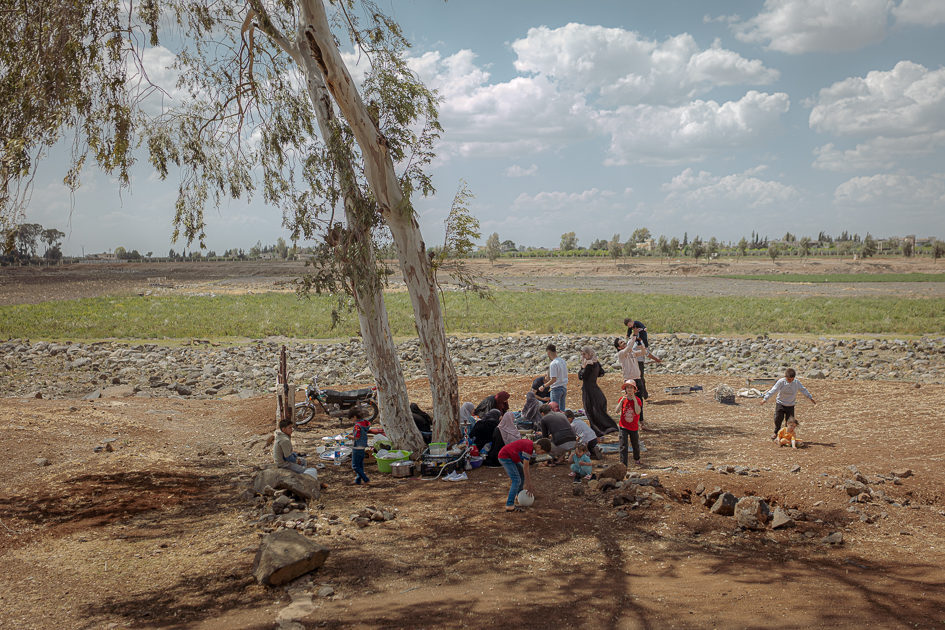
  • Despite the total lack of water, the Shadad family still visits the former lake for Friday picnics, cherishing the old habits.

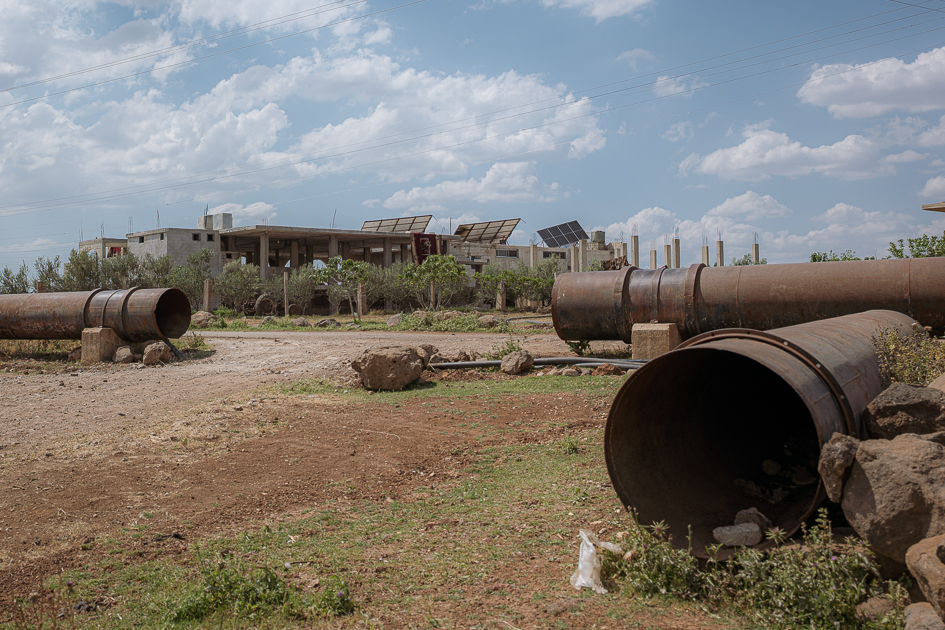
  • The agricultural pumping station in Zayzun stopped operating in March this year. It was bombarded by Assad’s forces during the war, and now runs only seasonally, mostly in the winter.

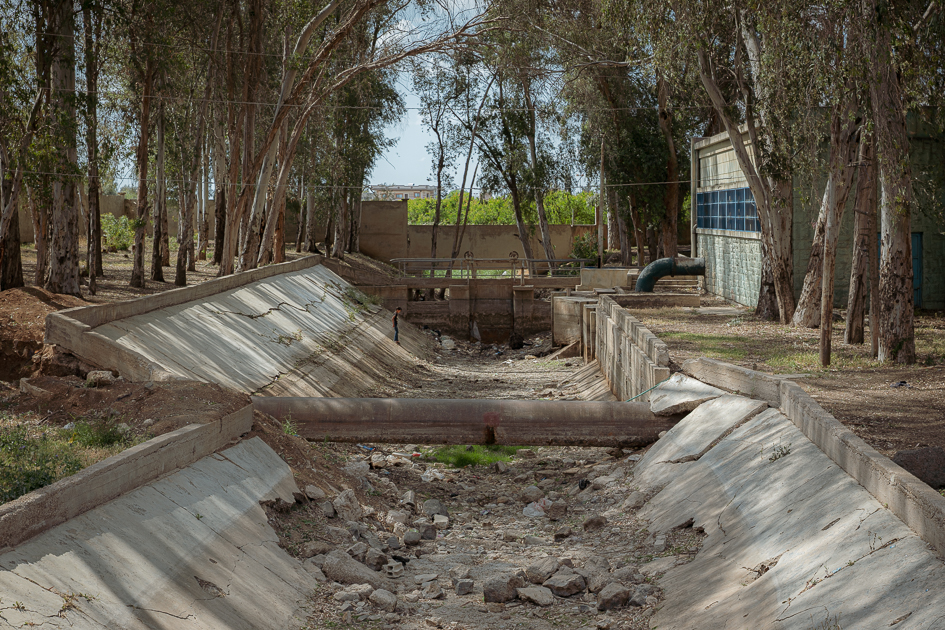
  • The old irrigation system, which provided water to Daraa province farmers, was destroyed during the war. Today the farmers have to get the water on their own. Illegal water theft is a common problem in the region. Residents breach pipes and water courses, desperately fighting for access to the precious resource. Even underground installations are not completely safe.

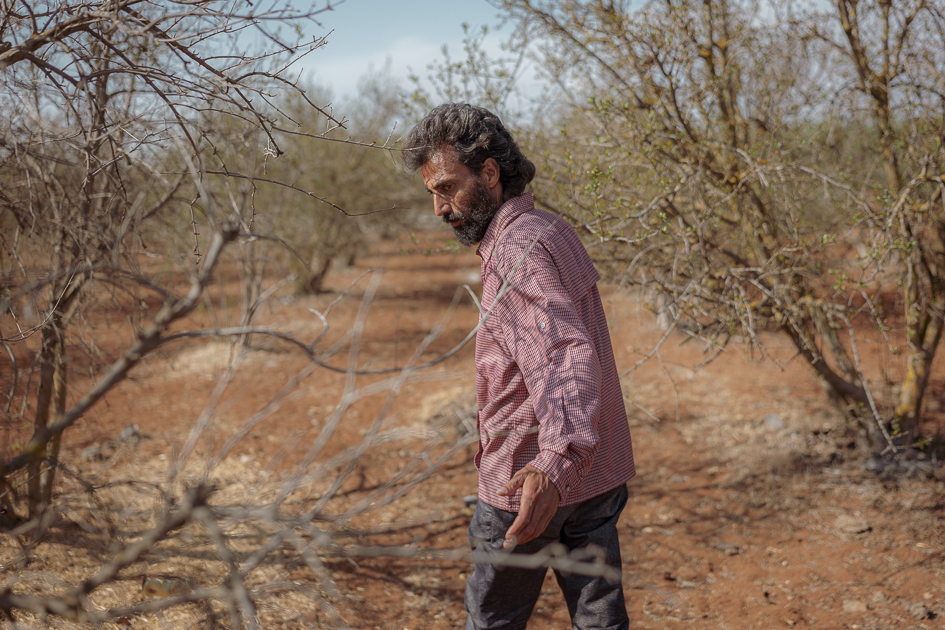
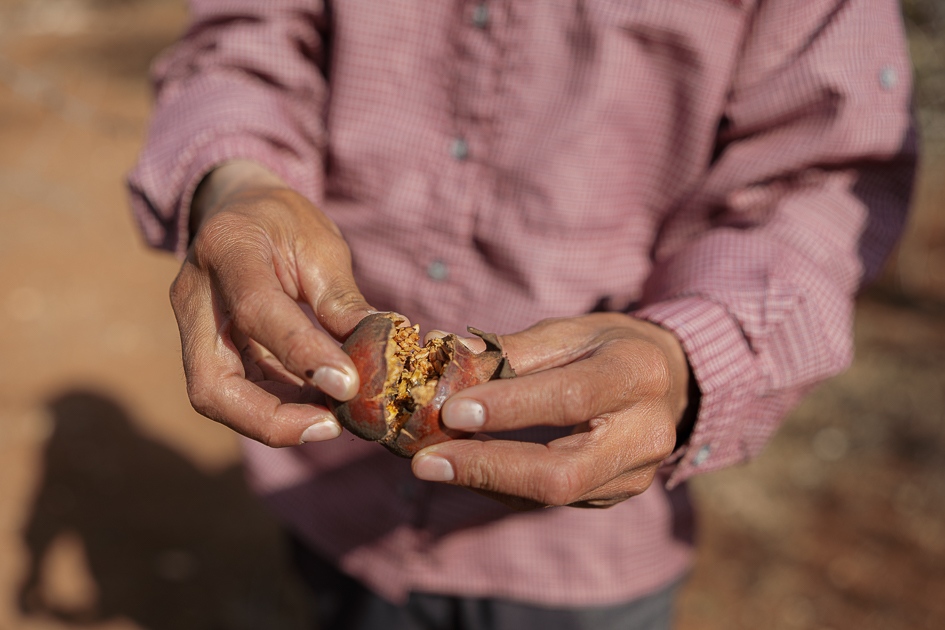
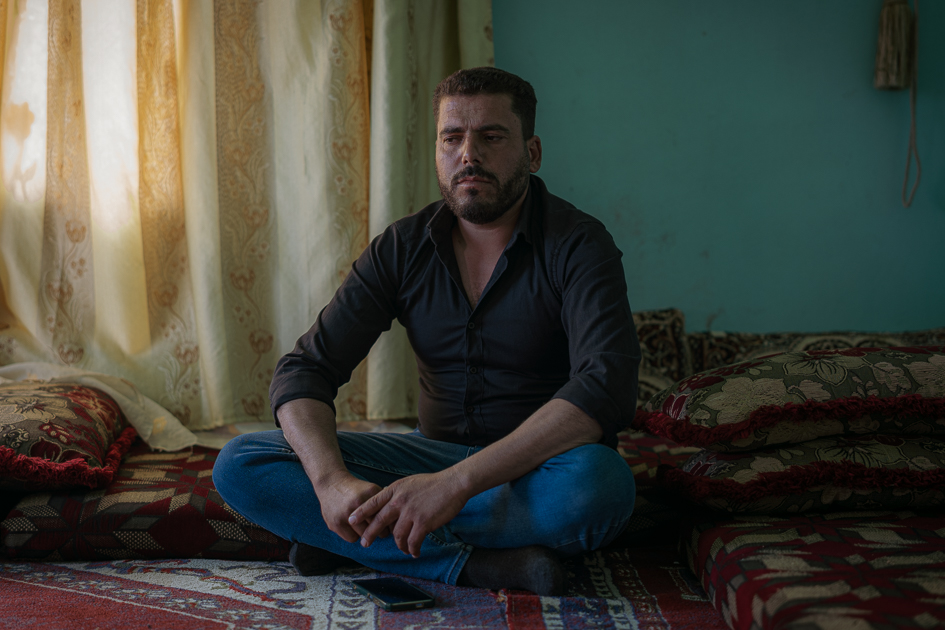
  • Riyadh Al-Hashish (48) in his dying pomegranate orchard. The trees were relatively drought tolerant, but died anyway in May this year. Riyadh can’t afford drilling deep wells, a cost of several thousand US dollars.

  • Riyadh’s orchard dies faster than others, as he doesn’t have money to drill new deep wells, or deepen the current ones that have gone dry. The wells need to go deeper and deeper, reaching hundreds of meters, to hit the underground water. Those without savings or access to a credit are unable to afford such investment.

  • Riyad will not be able to sell pomegranates this year, and his losses will amount to several thousand US dollars. He also had to stop beekeeping three years ago, again due to scarcity of water. Asked what his plan is for the future, he admits he has none. “Inshallah it will eventually rain”, he says.

  • The drying up Sahim Al Golan reservoir is a part of the region's irrigating system, transporting water from Israeli-occupied Al-Mantara dam to Al-Wahda reservoir.

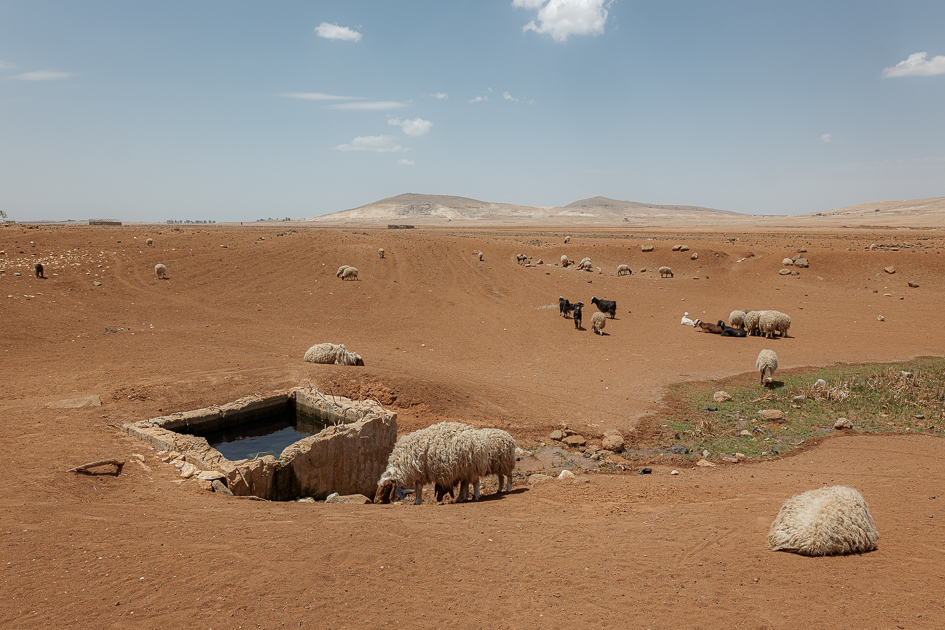
  • The last remains of the reservoir’s water attract local shepherds and their thirsty animals.

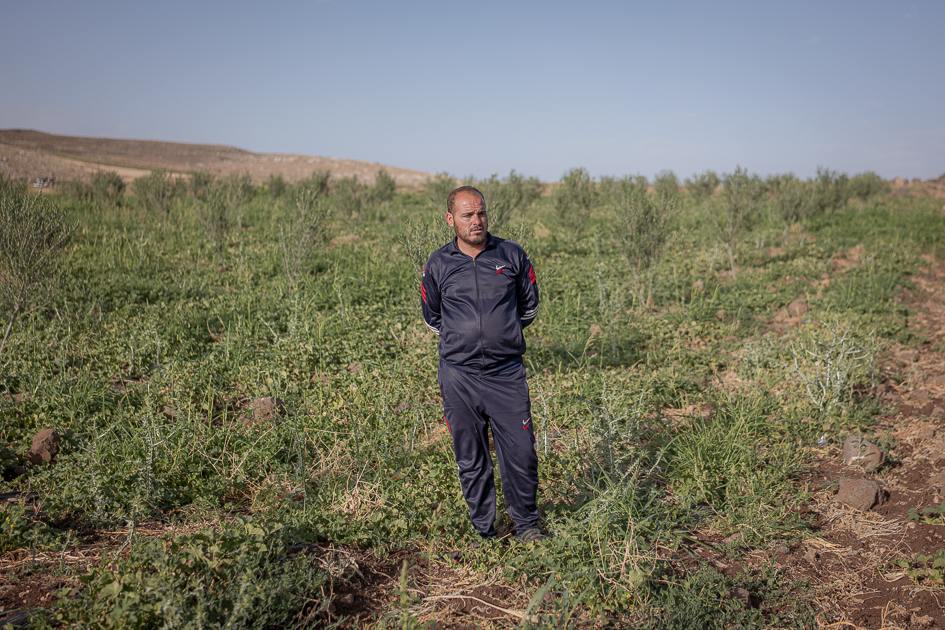
  • Marwan Al-Hussein (46), a Koayah farmer, on his melon field located in the Yarmouk river valley. The record low river flow has resulted in an almost complete lack of crops for Marwan.

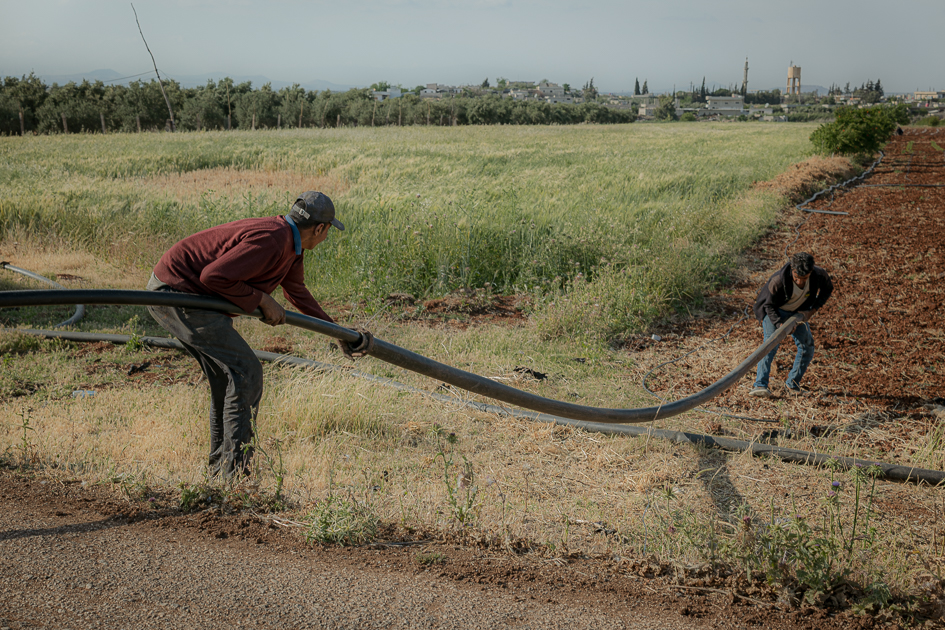
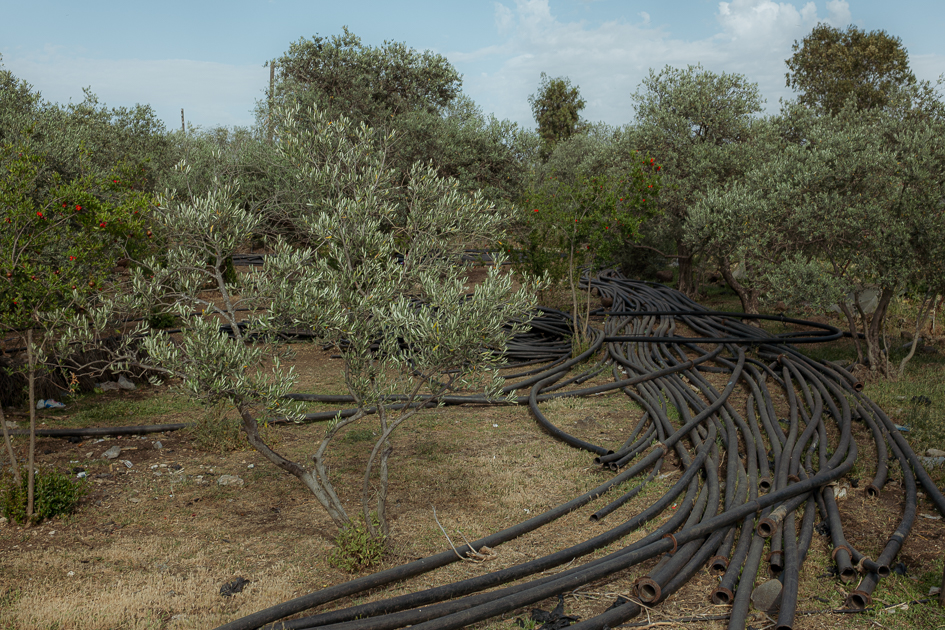
  • The Wadi As Samak reservoir in Koya dried up in April, months earlier than usual. The cause is not only lack of rainfall but also corruption and speculation in the water sector. Teams regulating water flow at the dam often accept bribes, and water is intercepted by other farmers along the way, which is sometimes causing clashes. This leads to armed conflicts that local security forces struggle to manage. Farmers build temporary pipelines stretching for kilometers to transport water to their fields, but these solutions are expensive, energy-intensive, and ineffective as water sources continue to dry up.

  • Adil Shihab’s (31) squash and olive crops are dying due to lack of water, which despite government promises does not reach his village in sufficient quantities. Recently, on March 25, Israeli troops occupied fields around Koayah for a week, preventing Adil from accessing his soil in critical stage for crops. Six people were killed due to shelling and local skirmishes. Although residents can now reach their fields, fear lingers due to the continued Israeli presence on a nearby hill—one that overlooks the entire valley.

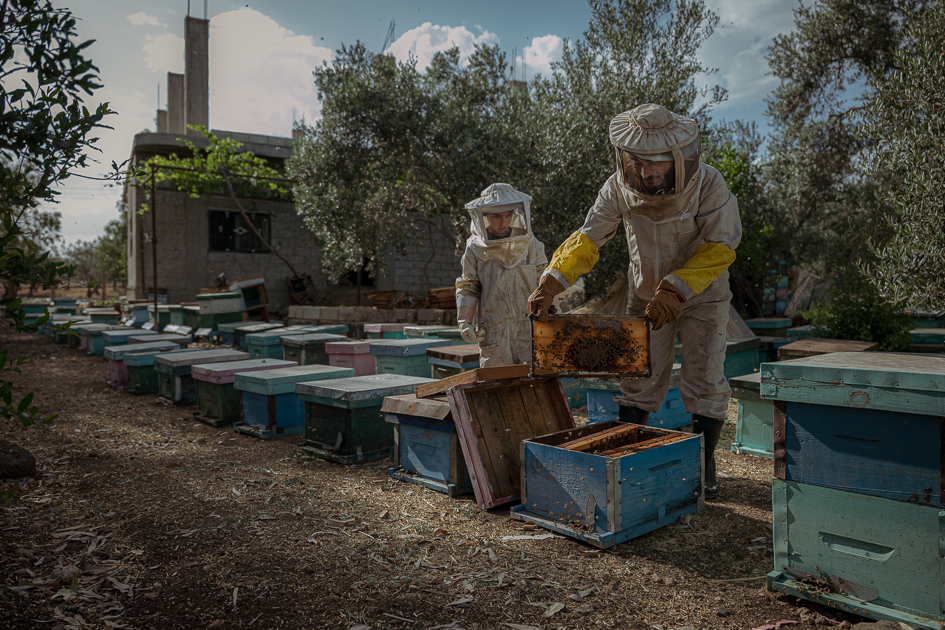
  • Mohammad Rakan Shihab (32) with his son, Sufian (11) inspect their beehives. Because of the drought, Mohammad had to reduce the number of hives from 300 to 150. Usually, in the summer, they moved the hives out of Koayah to better, flower-rich places, mainly in eastern Syria. This year due to the financial crisis they can't afford it. In addition, the bees are dying from heavy concentration of fertilizers, caused by scarcity of water.

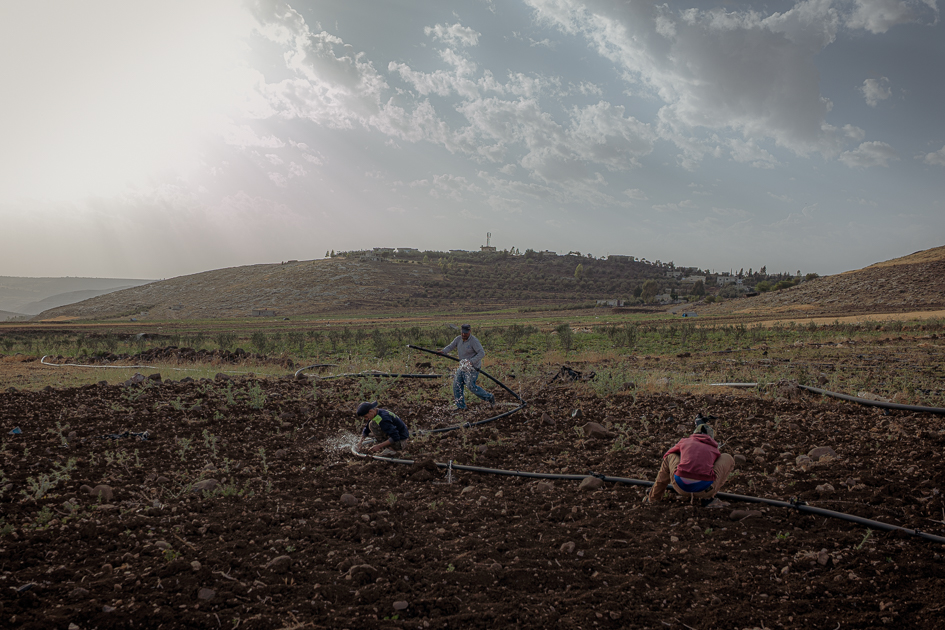
  • Koayah residents water the cucumber field from tankers to prevent the crops from dying out. The typical 40x60 meters field requires six 5000-liter tankers a day, at about 250-300 thousand Syrian pounds (about 25 US dollars). The crops in the neighboring field already withered and died out. The farmers have lost about 2500 US dollars, and they owe a well-drilling engineer a similar amount. To compare, the average monthly salary in the Syrian public sector is at around 70 US dollars, even after February 2025 raises.

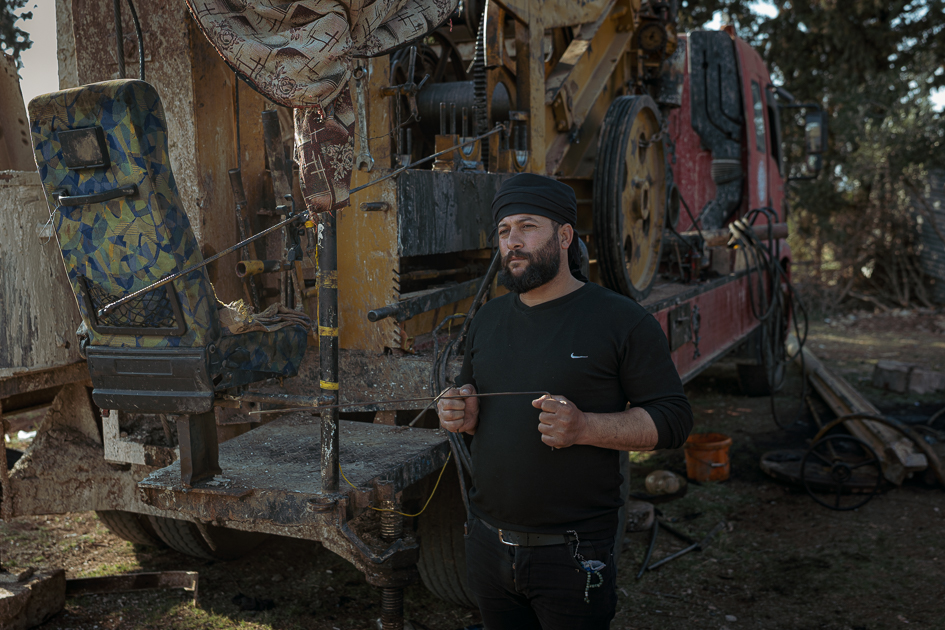
  • Shadi Kerim Al Barazi (35) and his father Abdel (60) own a large pomegranate orchard near Tal Shihab, exporting the fruit to Russia, Iraq and Gulf countries. They have a large drilling rig so they are able to get the water, and provide drilling service for other local farmers. Shadi used wands to find water, but “due to the drop in water levels, this is no longer effective”, he says. Often 400-500 meters drill is required for any water to appear, and the well is usually depleted after 2 months. Half of drillings find no water at all, and farmers still have to pay for the costly operation.

  • The Yarmouk river valley just above the Al-Wehda Reservoir, near Zayzun. This year, for the first time, the water is no longer visible in the riverbed here. The drought creates a problem not only for Syria, but also for Jordan, Yarmouk being the largest tributary of the Jordan river.

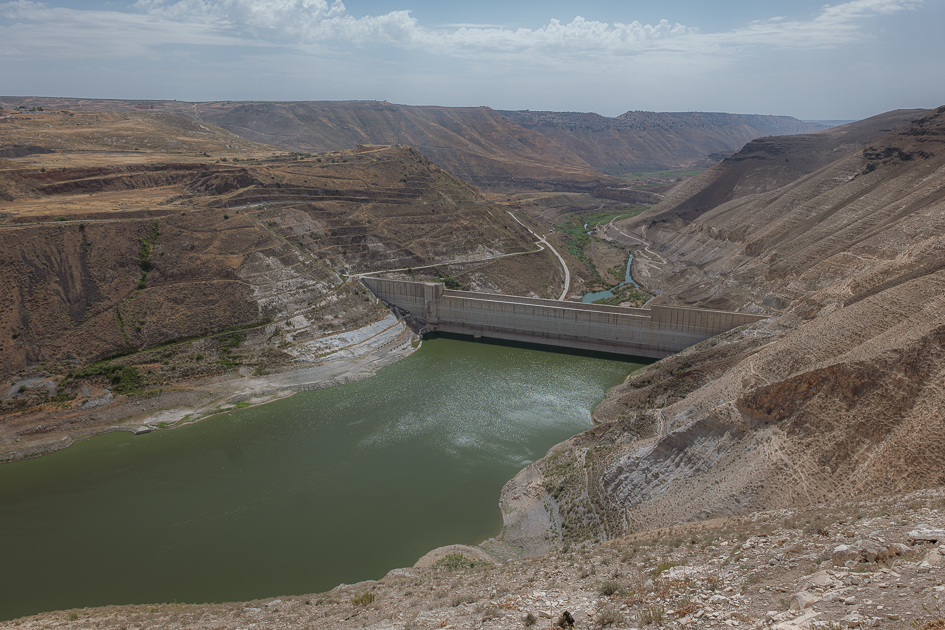
  • The Al-Wehda dam and hydroelectric power plant, built in 2004. Syria and Jordan have a contract guaranteeing the flow of water through the dam, but due to the drastic drought in the region, the flow is difficult to maintain. Muhammad Barrakhad, an engineer and economic director of the Daraa Water Resources Directorate, explained that last year Syrian dams stored 33 million cubic meters of water, while this year the amount has dropped to just 3 million. Since there has been almost no water flow into the reservoir, the dam is also hardly releasing any. Instead, the water soaks into the dry ground, disappearing 4-5 kilometers downstream from the dam.

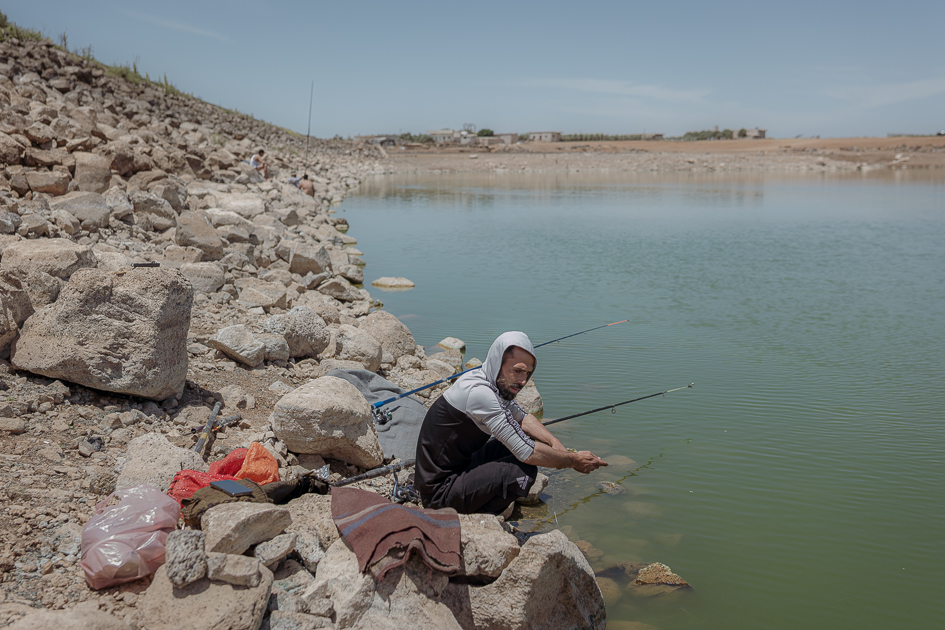
  • Saleh El-Mahamid (31) fishing at a reservoir near Al-Ashara. According to Saleh, Al-Ashara is the only reservoir in the region which still has fish, despite low water levels and high fertilizer pollution.

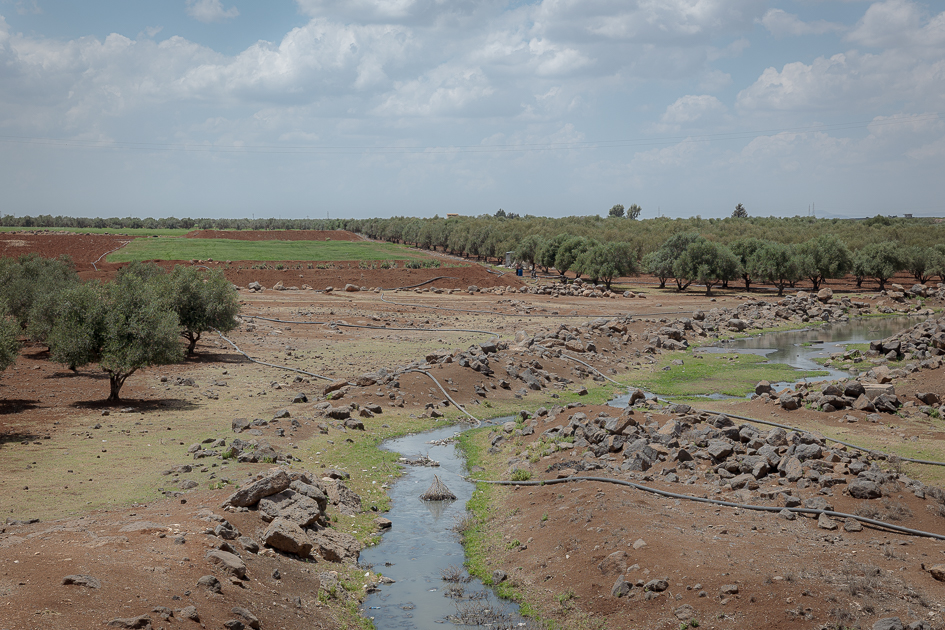
  • A functioning irrigation system in northern Daraa governorate, where the hydrological situation is slightly better.

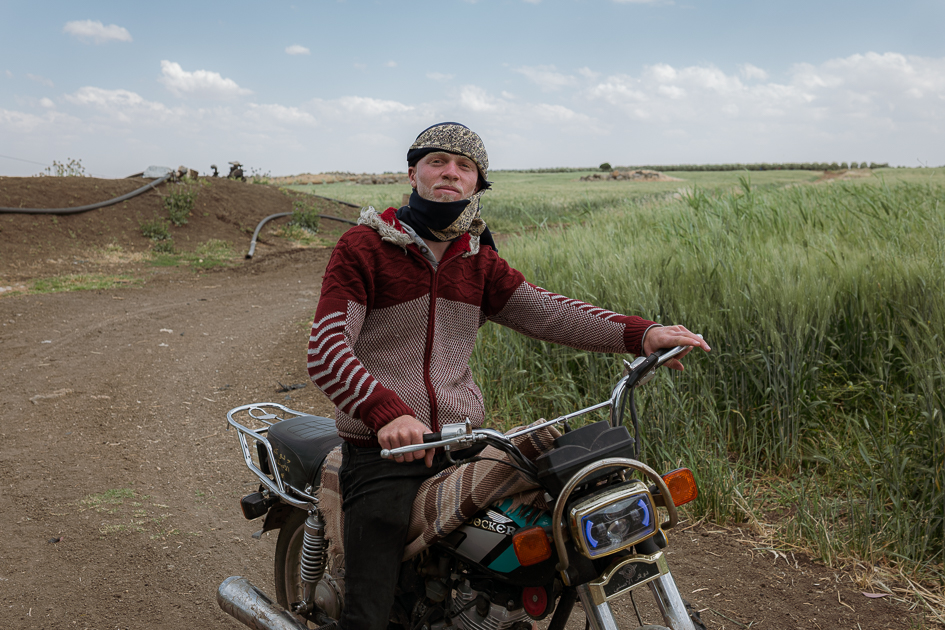
  • Hassel, the Zayzun area farmer, and still well-growing wheat crops.

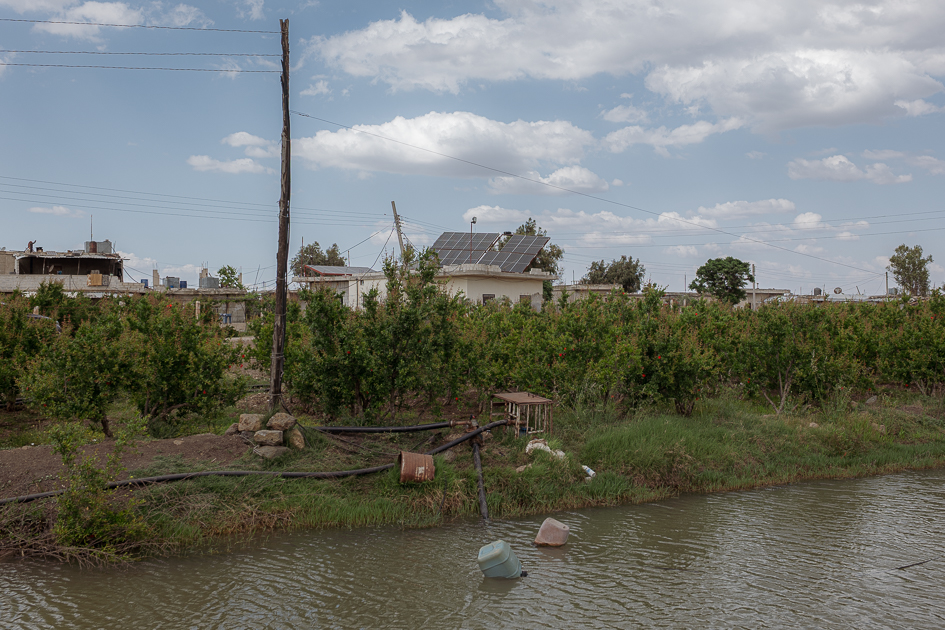
  • More affluent farmers can afford to drill deep wells and to use expensive pumps powered mainly by EV panels, due to notorious power shortages from the grid.

  • Farmers are making every effort to save their crops, still holding on to hope for summer rains. Unfortunately, this remains highly unlikely.

  • In the past, there were more tomatoes, beans, cucumbers, zucchini, chilies, and even oranges in the region.

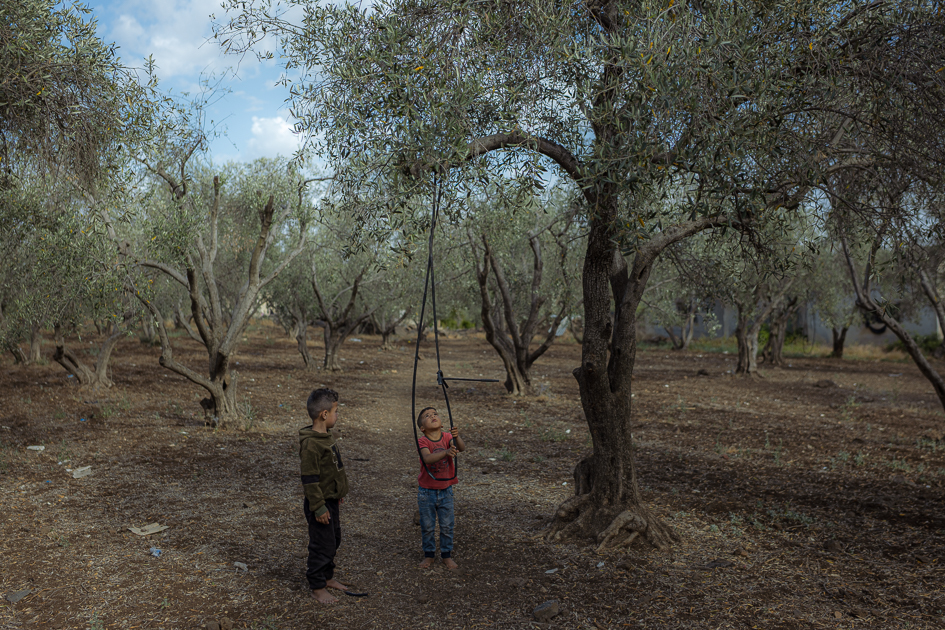
  • Due to the disappearance of water, most of the region's crops are now olives and pomegranates, more resistant to the drought. In the past, there were more tomatoes, beans, cucumbers, zucchini, chilies and even oranges.

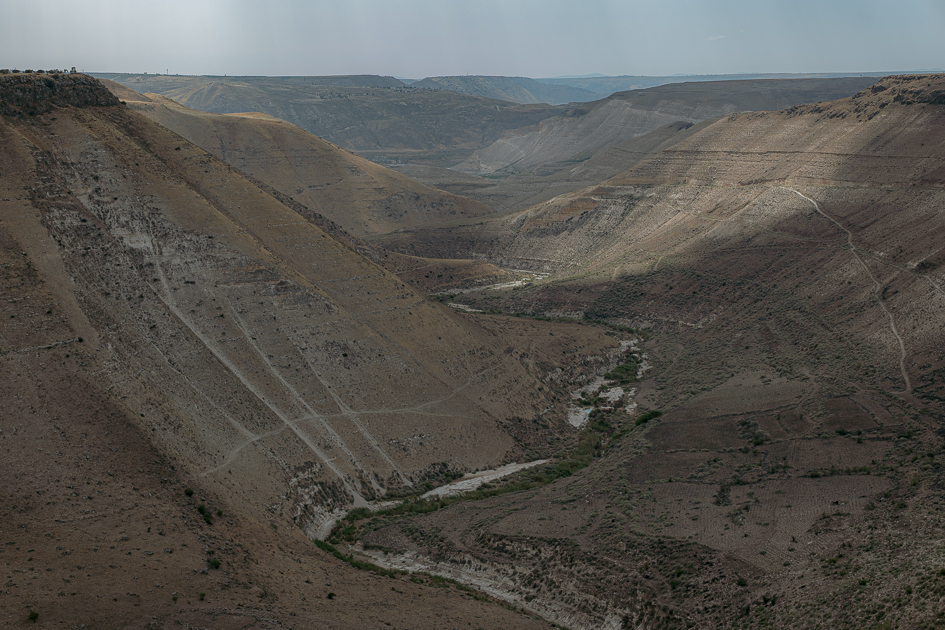
  • The Ruqqad river valley. In the background, the Golan Heights, occupied by Israel since 1967. Many beekeepers and farmers had their hives and crops in the valley, but the military incursion of Israeli forces after the fall of Assad regime prevented them from accessing the area for more than two months. Most of the crops and bees died out.

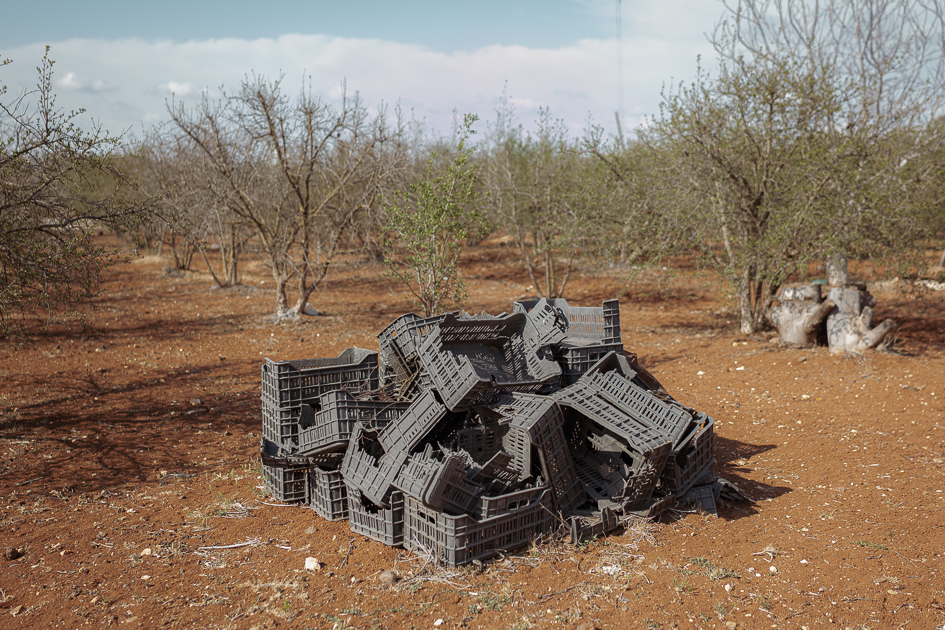
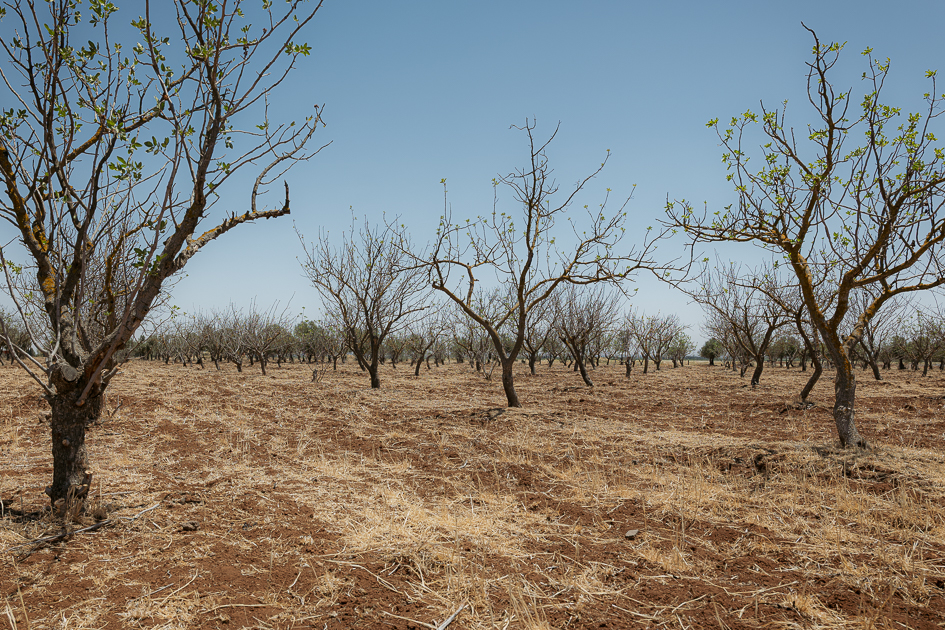
  • A withering orchard near Jalin.

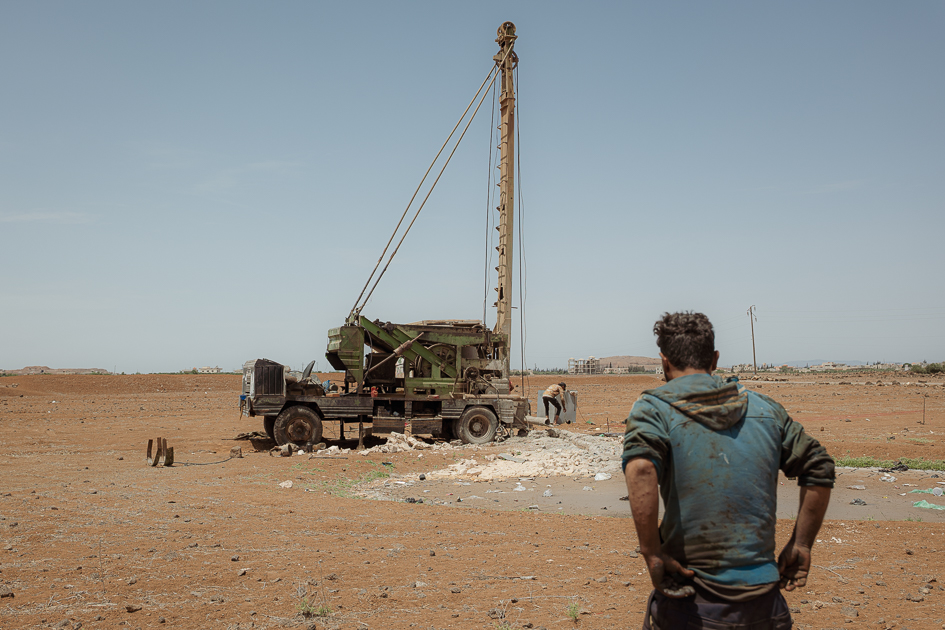
  • Despite the official government regulation, farmers are constantly hiring drilling teams to drill new or deepen existing wells. More and more randomly-placed wells are cropping up, drilled by workers with no permits.

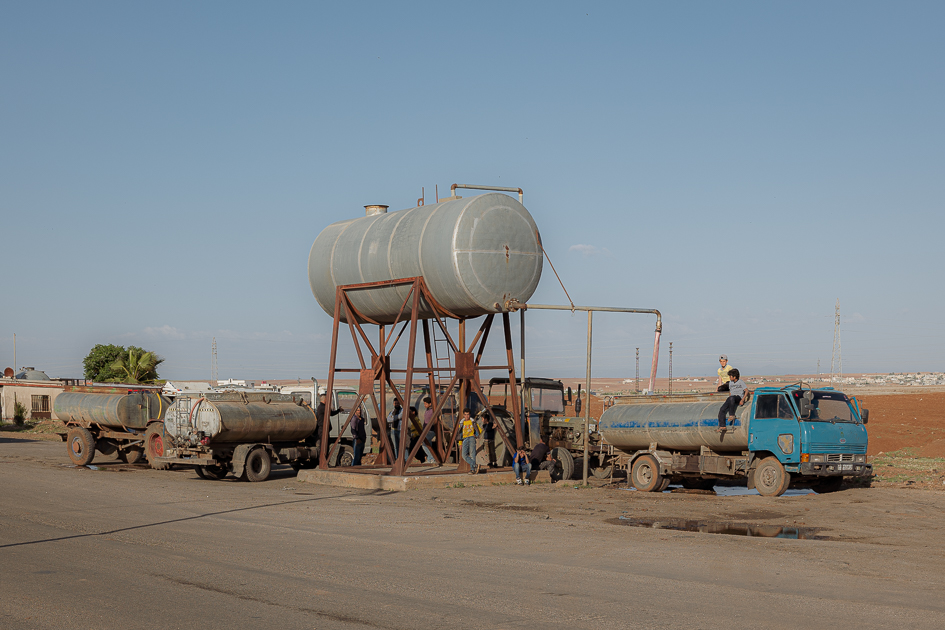
  • Drinking water sales point in the suburb of Daraa. The water comes from a deep well. The residents can buy it for about 4 US dollars for 5 barrels (equalling to around 1000 liters), which is often more than their daily wage.

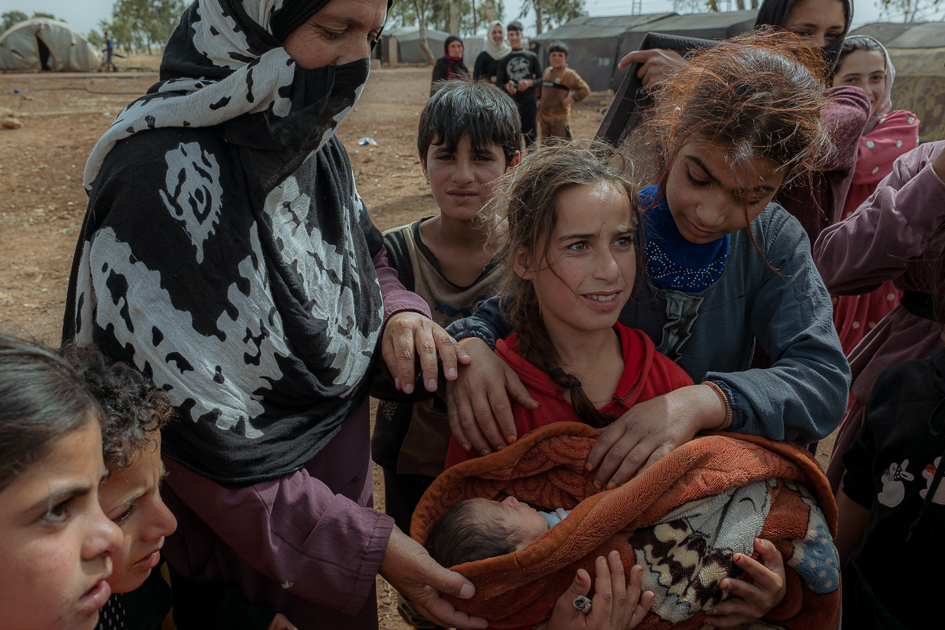
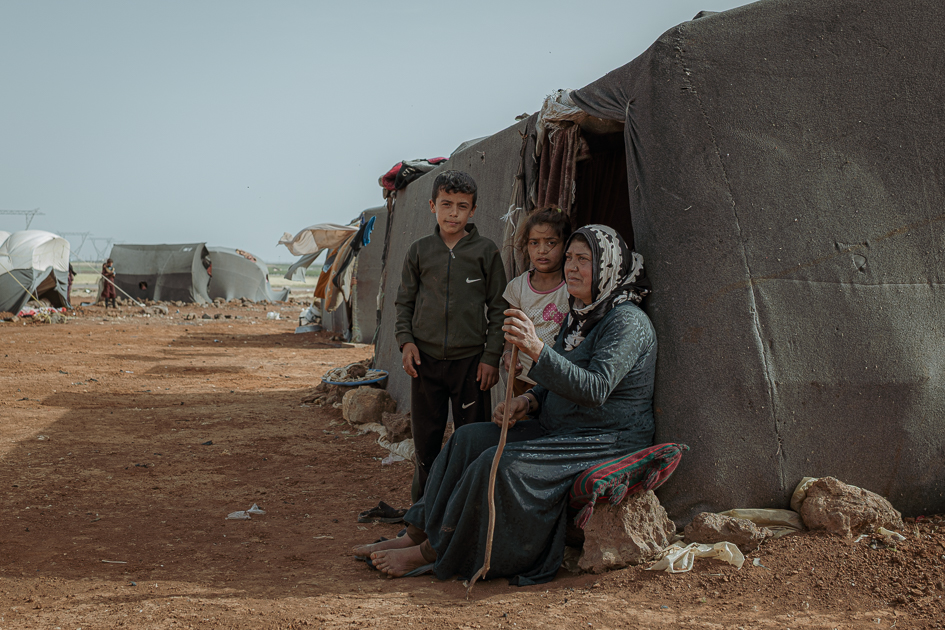
  • The fields near Daraa are crowded with improvised camps for refugees from Al-Hasakah. The economic problems and the unprofitability of farming in the Kurdish controlled Al-Hasakah area forced them to migrate. Their wages as Daraa farmhands can be as low as 0.5 US dollars per hour. The crisis impacts the poorest the most.

  • Mariam Hallil from the Al-Hasakah area with her children in an improvised refugee camp near Da'el. Some families have been living there for as long as twelve years, unable to move because of financial problems. They often abandoned their previous homes in Kurdish areas.

1/

Drought in Daraa

The Daraa region, once one of Syria’s most fertile areas, is facing its worst drought in decades. In 2025, rainfall dropped to its lowest level in over a quarter of a century, adding to a catastrophic convergence of crises. Years of Syrian civil war destroyed once developed water infrastructure, forcing farmers into mass drilling of increasingly deeper wells. Over time, this caused groundwater depletion and in some areas, its complete disappearance. Compounding this, Israel’s incursion in December 2024, following the Assad regime’s fall, gave Israel potential control over part of the remaining water basins. Southern Syria’s breadbasket is collapsing, and the process appears irreversible.

The Yarmouk River, essential for southern Syria and Jordan, has dried up, and reservoir levels have plummeted—from 33 million cubic meters in winter last year to just 3 million this year. The scarcity of water is not just an environmental issue but has deep political roots. Daraa was the birthplace of the 2011 Syrian revolution, with widespread protests leading to a 13-year civil war. Water shortages and agricultural decline contributed significantly to the unrest, and though the conflict ended in 2024, the water crisis continues to worsen.

During the war, Daraa remained a rebel stronghold, suffering destruction from prolonged fighting. The irrigation infrastructure was severely damaged, and access to water became a tool of warfare. Tens of thousands of random wells were drilled in desperation, lowering groundwater level by hundreds of meters and accelerating soil degradation. Following the war, Syria’s new government introduced regulations to curb environmental destruction, but enforcement remains weak due lack of resources and personnel.

The breadbasket of Southern Syria is entering the final phase of its death throes, and the country is becoming increasingly dependent on foreign food imports. With no clear path to recovery, a new wave of migration seems inevitable for farmers whose land can no longer sustain them—the very land they once fought to keep.

© 2024 Amadeusz Świerk